



When Markets Turn Defensive, Bullion Often Becomes a Pressure Valve
Financial market volatility rarely stays confined to stocks. When risk appetite breaks down, the shock often travels through currencies, bond yields, liquidity conditions, and investor psychology before reaching precious metals. Gold and silver can rally during these periods not because every investor suddenly agrees on inflation, but because uncertainty changes the way capital moves.
The transmission is usually emotional before it becomes mechanical. Traders reduce exposure to assets that depend on confidence, while long-term investors begin looking for holdings that do not rely on corporate earnings, bank balance sheets, or policy promises. That is where bullion often re-enters the conversation. Physical metal sits outside the credit system, carries no default risk, and has a long record of absorbing demand when markets become harder to trust.
Recent market behavior has also reminded investors that the relationship is not automatic. Gold and silver may fall during the first wave of a selloff if investors raise cash, cover losses, or respond to rising real yields. The rally often comes later, once the market begins pricing deeper financial stress rather than a temporary correction.
The First Wave of Volatility Can Pressure Metals Before Supporting Them
The most misunderstood part of a risk-off metals rally is that it does not always begin with an immediate price surge. During the early phase of market turbulence, investors may sell almost anything liquid. Gold and silver futures can come under pressure as funds reduce leverage, meet margin requirements, or rebalance portfolios.
This is why metals sometimes decline even as headlines look supportive. A stock market selloff, bond-market shock, or currency surge can initially create forced selling rather than safe-haven buying. Gold may be treated less like an insurance asset in those first hours and more like a source of liquidity.
The tone often changes if volatility persists. Once emergency selling slows and investors start asking what the disruption means for growth, policy, and confidence, bullion can attract a different type of demand. The market moves from cash-raising to capital protection. That shift is where precious metals often regain strength.
This sequencing matters because it prevents investors from oversimplifying the relationship. A temporary decline in gold during financial stress does not necessarily disprove its defensive role. It may simply reflect the messy mechanics of the first repricing.
Gold Responds Most Directly to Confidence Stress
Gold’s strongest rallies during volatile markets often occur when the problem becomes larger than equity valuation. A routine stock pullback may not be enough. But when investors begin questioning monetary policy, banking stability, government debt, or currency strength, gold’s role changes quickly.
That is because gold is not just another commodity. It trades partly as a monetary asset, partly as a reserve asset, and partly as a store of value. During calm markets, those roles may feel abstract. During financial stress, they become practical.
A risk-off metals rally often reflects falling confidence in the assets investors previously trusted most. If stocks are repricing because earnings expectations are weakening, gold may benefit only modestly. If stocks are falling because investors fear credit stress, policy error, or a broader liquidity problem, bullion demand can become much stronger.
This is also why the U.S. dollar and Treasury yields matter so much. A stronger dollar and higher real yields can temporarily limit gold’s upside. But if volatility eventually pushes yields lower or weakens confidence in paper assets, gold can recover even after an uneven start.
Silver Carries More Volatility, but Also More Torque
Silver rarely behaves like a quieter version of gold. It has a monetary identity, but it also depends heavily on industrial demand. That dual nature makes silver more volatile during periods of financial stress.
When markets are worried about economic growth, silver may initially underperform because traders focus on industrial demand risk. Manufacturing slowdowns, weaker technology spending, and softer expectations for solar, electronics, or electric vehicle demand can pressure silver even as gold holds steadier.
Yet silver can rally aggressively once the market shifts from recession concern to monetary easing expectations. If investors believe central banks may respond to volatility with lower rates, easier liquidity, or a weaker currency backdrop, silver often benefits from renewed speculative demand. Its smaller market size and higher volatility can turn improving sentiment into sharper price movement.
That makes silver a powerful but less predictable participant in a financial stress bullion move. Gold often attracts the first wave of defensive capital. Silver may follow later with greater momentum if investors regain confidence in the broader precious metals trade.
Physical Bullion Demand Can Separate From Paper Market Stress
Volatile markets often reveal a divide between paper prices and physical demand. Futures and ETFs may move quickly as institutions rebalance exposure, while retail buyers respond differently. When uncertainty rises, demand for physical coins and bars can increase even if spot prices remain choppy.
This separation is especially important for bullion buyers. Spot price reflects the global trading price of metal, but physical product availability depends on mint output, dealer inventory, shipping, refining capacity, and retail demand. When anxiety rises quickly, premiums on popular bullion products can widen even if the headline spot price does not fully capture the surge in physical buying.
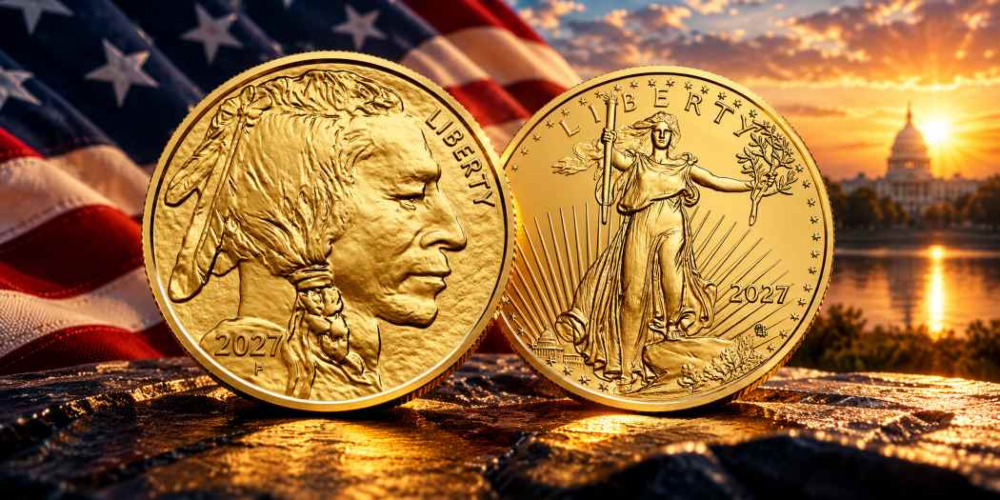
Gold Eagles, Silver Eagles, Maple Leafs, Britannias, and widely recognized bars often receive stronger attention in these periods because buyers want liquidity and familiarity. Recognition matters when markets feel unstable. Investors do not simply want metal; they want products they believe will be easy to verify, hold, and eventually sell.
That is one reason financial stress bullion demand can become visible first in product premiums, not just spot charts.
Central Banks Add a Deeper Layer to the Volatility Story
Central bank gold buying has changed the character of the modern bullion market. Official-sector demand is not driven by the same impulses that move retail investors or short-term traders. Central banks tend to focus on reserve diversification, currency exposure, geopolitical risk, and long-term monetary resilience.
That demand can become especially important during periods of market volatility. When governments and institutions are already increasing gold reserves, private investors may view bullion as aligned with broader monetary trends rather than as a purely defensive retail trade.
This does not mean central banks prevent gold from falling. Prices can still decline when the dollar strengthens, yields rise, or speculative positions unwind. But sustained official-sector buying can help reinforce gold’s role as a strategic reserve asset during uncertain periods.
The signal is subtle but meaningful. If central banks continue accumulating gold while private markets become more volatile, investors may interpret that behavior as confirmation that bullion still has a place in portfolios designed for resilience rather than short-term yield.
Volatility Changes the Math Behind Portfolio Risk
The case for precious metals during volatile markets often comes down to correlation. Investors may not need gold or silver to rise every day to value their role. They need assets that can behave differently from stocks, bonds, and credit during moments of stress.
When markets are calm, diversification can feel inefficient. High-growth stocks and risk assets may dominate returns, while bullion appears quiet by comparison. During drawdowns, however, the value of an asset that is not tied directly to earnings or debt repayment becomes clearer.
This is why risk-off metals rallies often begin when investors stop asking what can generate the highest return and start asking what can survive a disruption. Gold and silver do not carry the same claims on future cash flows as equities or bonds. Their value is tied to scarcity, liquidity, recognition, and confidence.
That difference becomes more attractive when volatility exposes how interconnected modern financial assets can be.
The Next Metals Rally May Depend on the Type of Stress
Not every volatile market produces the same precious metals response. A selloff caused by strong economic data and rising rate expectations may hurt gold because higher real yields make cash and bonds more competitive. A selloff caused by financial instability, geopolitical strain, or currency concern is more likely to support bullion.
This distinction is critical. Investors sometimes expect metals to rally simply because stocks are falling, but the underlying cause matters more than the direction of the stock market itself.
If volatility is driven by tighter policy, a stronger dollar, and rising yields, precious metals may struggle at first. If volatility is driven by credit stress, liquidity concerns, or fear that policymakers may need to reverse course, gold and silver can become much more attractive.
The market’s interpretation of stress often evolves. What begins as a valuation correction can become a confidence problem. What begins as a dollar-driven metals selloff can later become a safe-haven rotation if investors conclude that financial conditions are tightening too quickly.
That is why bullion’s reaction to volatility should be read as a process, not a switch.
Bullion’s Role Becomes Clearer When Confidence Is Scarce
Precious metals do not rally during every period of market volatility, and that nuance matters. Gold and silver can be sold during liquidity scrambles, pressured by dollar strength, or pulled lower by rising real yields. The defensive case is strongest when volatility begins to challenge confidence rather than merely reset valuations.
Still, the deeper logic remains intact. Financial stress pushes investors to reconsider what they own and why they own it. Assets that depend on leverage, earnings, or credit conditions may suddenly feel more fragile. Bullion, by contrast, offers something simpler: a widely recognized store of value without counterparty exposure.
That simplicity is easy to underestimate when markets are rising. It becomes much harder to ignore when volatility spreads through portfolios, policy expectations, and investor psychology. In those moments, gold and silver often become more than commodities. They become a way to hold value when confidence itself is being repriced.
FAQs
Why do precious metals rally during market volatility?
Precious metals can rally during market volatility because investors often seek assets that are not directly tied to corporate earnings, credit risk, or financial system confidence. Gold and silver may attract demand when uncertainty rises, especially if volatility signals deeper concerns about growth, monetary policy, currencies, or financial stability rather than a brief stock market correction.
Does gold always rise when stocks fall?
Gold does not always rise when stocks fall because the reason behind the selloff matters. If stocks decline because interest rates are rising and the dollar is strengthening, gold may struggle. If stocks fall due to financial stress, credit concerns, or confidence risk, gold may attract stronger safe-haven demand as investors seek more defensive assets.
Why can gold fall during the first stage of a market selloff?
Gold can fall during the first stage of a market selloff because investors may sell liquid assets to raise cash, reduce leverage, or meet margin calls. In that early phase, gold may behave like a source of liquidity rather than a safe haven. Demand may recover later if the selloff turns into a broader confidence or policy concern.
How does silver behave during financial market volatility?
Silver often reacts more sharply than gold during financial market volatility because it has both monetary and industrial demand drivers. It may initially weaken if investors worry about economic growth or manufacturing demand. If markets later expect easier monetary policy or renewed precious metals buying, silver can rally faster because of its smaller and more volatile market.
What is a risk-off metals rally?
A risk-off metals rally occurs when investors reduce exposure to higher-risk assets and increase demand for defensive holdings such as gold or silver. This type of rally is often driven by uncertainty, financial stress, falling confidence, or expectations that central banks may respond to weakening conditions with easier policy.
Why does the U.S. dollar affect gold during volatile markets?
The U.S. dollar affects gold because bullion is priced globally in dollars. A stronger dollar can make gold more expensive for international buyers and limit demand. During volatility, gold may struggle if the dollar rises sharply, but it can benefit if dollar strength fades and investors seek alternatives to paper assets.
Can physical bullion demand rise while spot prices fall?
Yes. Physical bullion demand can rise while spot prices fall because retail buyers and institutional traders often react differently. Futures selling may pressure spot prices, while physical buyers may use lower prices to purchase coins and bars. In these periods, premiums on popular bullion products can increase even when spot prices remain volatile.
Why do central banks buy gold during uncertain markets?
Central banks buy gold during uncertain markets to diversify reserves, reduce currency exposure, and strengthen long-term financial resilience. Their purchases are usually strategic rather than short-term trades. When official-sector demand remains strong during volatile periods, it can reinforce gold’s role as a monetary and reserve asset.
Are precious metals good for portfolio diversification?
Precious metals can support portfolio diversification because they are not driven by the same fundamentals as stocks, bonds, or credit assets. Gold and silver may behave differently during periods of financial stress, helping investors manage risk. Their effectiveness depends on market conditions, interest rates, dollar strength, and the source of volatility.
What should investors watch during a volatility-driven metals rally?
Investors should watch real yields, the U.S. dollar, central bank policy, liquidity conditions, credit stress, and physical bullion demand. These factors help determine whether gold and silver are reacting to a temporary market shock or a deeper shift toward defensive positioning and safe-haven demand.
Related reading you may find interesting:
Why Silver Has Historically Thrived During Recoveries
Why Younger Investors Are Buying Physical Gold
Gold vs. Cash During Inflation: Which Protects Your Purchasing Power?