

The Best Dealer Depends on What You Are Buying
Buying bullion online gives investors access to a market far larger than any single local coin shop could stock. That convenience creates a different problem: choosing among dealers whose prices, inventories, and services can look similar at first glance.
There is no permanent winner. Gold and silver bullion premiums move with wholesale supply, inventory needs, promotions, payment methods, and customer demand, so the dealer offering the strongest value today may not lead on the next purchase. Reputation establishes which companies deserve consideration; price and service determine which one makes sense for a particular order. These five dealers stand out for different combinations of price, selection, buybacks, and service.
What Separates a Strong Bullion Dealer From a Cheap Listing?
For a first-time buyer, that may mean prioritizing clear policies and familiar bullion. A more experienced investor may care more about narrow spreads, larger-format bars, or a convenient exit route. The ranking therefore works best as a shortlist for comparison, not a substitute for checking the transaction itself.
A low advertised premium deserves attention, but it is only one part of the transaction. The more revealing number is the total cost for the exact product and quantity being purchased, including any payment-method difference, shipping charge, insurance policy, or order threshold. Availability matters too: an excellent price means little if the product is unavailable.
The dealer itself deserves the same scrutiny as the metal. Established operations should provide clear ordering terms, secure fulfillment, recognizable products, accessible customer support, and a defined process for problems or returns where applicable. Those differences explain why a useful dealer ranking should identify strengths rather than pretend every shopper is looking for the same thing.
1. Bullion Exchanges
Bullion Exchanges has developed a broad precious-metals business around competitive pricing and a catalog that spans gold, silver, platinum, and palladium. Its inventory includes sovereign coins, private-mint bars and rounds, larger formats, collectibles, and exclusive precious metal products.
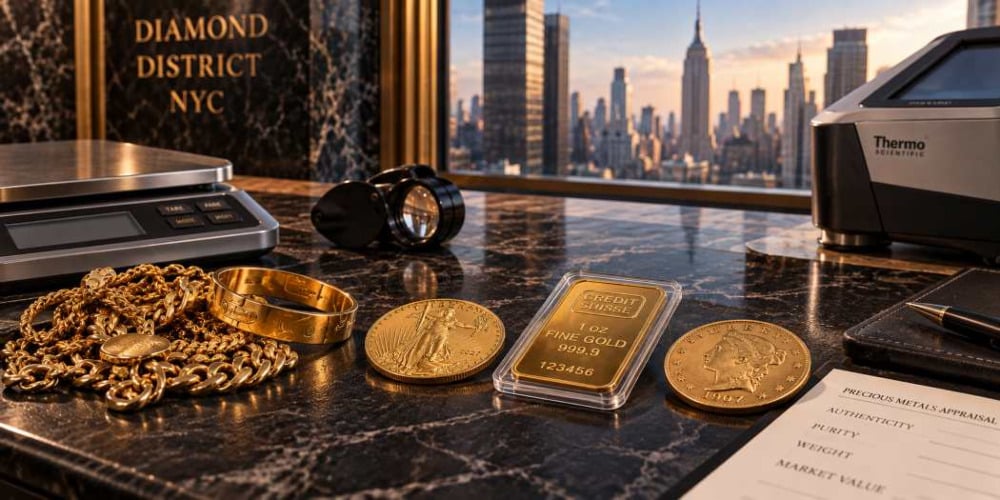
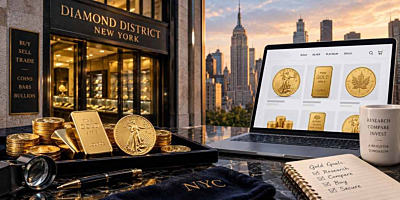
Its distinguishing feature is the combination of online reach and a physical presence in Manhattan's Diamond District. Customers can transact in person, use its bullion buyback operation, or arrange professional vaulting. Its segregated storage program is located in the International Gem Tower and uses a former COMEX-rated depository operated through a Bullion Exchanges-owned company. That combination suits investors who value purchasing, storage, and liquidation options within one broader operation.
2. APMEX
APMEX earns its place primarily through breadth. Its catalog extends well beyond standard gold and silver bullion into world coins, numismatics, currency, specialty releases, and harder-to-find products. That is useful for shoppers seeking products a bullion-focused dealer may not routinely carry.
The tradeoff is that selection should not be confused with automatic price leadership. Buyers focused on maximizing ounces should compare the final premium against other dealers before ordering. APMEX also operates a formal precious-metals buyback program with price locking and insured shipping options, and it offers access to third-party-managed storage through Citadel. For some shoppers, that infrastructure can matter more than securing the lowest premium on every transaction.
3. JM Bullion
JM Bullion offers a large national platform centered on familiar investment products. Its inventory covers familiar sovereign coins, privately minted bars and rounds, fractional products, and platinum and palladium alongside its extensive gold and silver selection.
Resale infrastructure strengthens that proposition. JM Bullion's Sell-To-Us program purchases a wide range of precious metals, including investment-grade gold and silver, platinum, palladium, pre-1933 U.S. gold, and commonly traded sovereign bullion. Minimums and program terms can change, so sellers should confirm current requirements rather than assuming a future transaction will operate under today's rules. An established buyback channel can matter to investors who consider liquidation before they buy.
4. SD Bullion
SD Bullion has long appealed to price-conscious stackers, particularly shoppers whose priority is acquiring recognizable bullion at competitive premiums rather than browsing an enormous collectible catalog. Its core assortment includes government-minted coins, private-mint rounds, and bars across common investment sizes. Promotions can make individual listings particularly attractive for straightforward gold and silver purchases.
Its strength also illustrates why dealer loyalty can become expensive. A promotion may make SD Bullion the obvious choice for one product while another dealer leads on a different size, mint, or payment method. The company operates a buyback program covering gold, silver, platinum, and palladium, with sellers able to lock a transaction before shipping and receive payment after authentication. For metal-focused buyers, SD Bullion is worth checking without assuming it will always be cheapest.
5. Monument Metals
Monument Metals has built a strong following among bullion buyers who pay close attention to premiums. Its selection centers on the products many investors actually stack: gold and silver coins, bars, rounds, and other investment-oriented precious metals. That focus can work well for shoppers seeking a competitive entry price on widely traded bullion.
Recent precious-metals community discussions illustrate why Monument belongs in the comparison. Buyers frequently mention it alongside SD Bullion, Bullion Exchanges, and JM Bullion when comparing current deals, and some report choosing among them according to whichever dealer leads on the product being purchased. Monument also buys precious metals from customers through local and online channels. Its appeal is less about universality than being a credible price check when inventory and premiums align.
Why Rankings Should Start the Search, Not End It
Reputation is relatively durable; price leadership is temporary. A buyer shopping for twenty silver rounds might find one dealer ahead by a meaningful amount today, only to discover that another has the better Gold Maple Leaf price several weeks later. Payment choice, promotions, and inventory can reshuffle the comparison. Online bullion communities routinely reflect this behavior: experienced buyers often maintain a short list of trusted dealers and shop the deal rather than the logo.
Across larger orders, small premium differences can become meaningful. Compare the same product, quantity, and payment method at roughly the same time, then consider shipping, insurance, fulfillment terms, and any services that matter after purchase. A slightly higher price may still be worthwhile when storage, in-person access, selection, or buybacks carry real value.
The Best Place to Buy Bullion Can Change From Order to Order
Bullion Exchanges, APMEX, JM Bullion, SD Bullion, and Monument Metals each make a credible top-five list, but for different reasons. One offers the unusual combination of a major online operation, a Manhattan storefront, buybacks, and professional vaulting; another excels in catalog depth; others compete aggressively for buyers focused on conventional investment bullion.
A collector hunting a particular world coin may reasonably prioritize availability, while a silver stacker buying 100 ounces may care far more about a few cents of premium per ounce. Investors planning long-term ownership may place additional weight on storage or resale options. The strongest dealer is ultimately the reputable seller that best matches the product, price, and service requirements of the transaction in front of you—not necessarily the company that won the last one.
FAQs
What are the top precious metals dealers online?
Bullion Exchanges, APMEX, JM Bullion, SD Bullion, and Monument Metals are five established online precious-metals dealers worth comparing. Each has different strengths: some emphasize competitive bullion premiums, while others stand out for selection, buyback programs, storage options, or access to physical locations. No dealer is automatically the best source for every purchase because bullion pricing and inventory change constantly. Comparing the same product across several reputable sellers can reveal meaningful differences in total purchase cost.
How do I choose a reputable bullion dealer?
Start by evaluating the dealer's operating history, reputation, product authenticity, payment policies, shipping and insurance procedures, customer service, and transaction terms. Price matters, but an unusually cheap listing should not outweigh questions about the seller's reliability. Buyers should also consider services they may eventually need, including buybacks or precious-metals storage. Once you have identified several dealers you trust, compare their current prices for the exact bullion product and quantity you intend to purchase.
Which bullion dealer has the lowest prices?
There is no single bullion dealer that consistently offers the lowest price on every product. Premiums change with wholesale costs, dealer inventory, promotions, market volatility, and demand, while payment methods and shipping can alter the final amount paid. A dealer leading on Silver Eagles today may be less competitive on gold bars tomorrow. For that reason, investors can benefit from maintaining a shortlist of reputable dealers and comparing the total cost of the same product immediately before purchasing.
Is Bullion Exchanges a good option for buying precious metals?
Bullion Exchanges offers gold, silver, platinum, and palladium products across a wide range of investment and collectible categories. In addition to its online business, the company operates a physical location in New York City's Diamond District, providing customers with an in-person option that many national online dealers do not offer. Bullion Exchanges also provides precious-metals buyback and professional vaulting services, which may appeal to investors looking for purchasing, storage, and eventual liquidation options within the same broader operation.
Should I buy bullion from the same dealer every time?
Not necessarily. Using a dealer you already trust can be convenient, but automatically returning to the same seller may cause you to miss a better price elsewhere. Bullion premiums vary by product and can change as dealers adjust inventory or run promotions. Experienced buyers often compare several trusted sellers rather than starting from scratch with unfamiliar businesses. This approach preserves the benefits of dealing with established companies while allowing the buyer to identify stronger value for each individual gold or silver purchase.
What should I compare besides the bullion premium?
Compare the total amount you will pay, not simply the advertised premium over spot. Payment method, shipping charges, insurance, order minimums, quantity discounts, and promotions can change which dealer actually provides the better transaction. Product availability and fulfillment policies deserve attention as well. Buyers planning for longer-term ownership may also value professional storage or a well-defined buyback program. Evaluating these factors together provides a more realistic comparison than ranking dealers according to a single advertised price.
Why does a bullion dealer's buyback program matter?
A buyback program can provide an established route for converting physical precious metals back into cash when an investor eventually decides to sell. Dealers typically evaluate the product, current precious-metals market, condition, and resale demand before establishing a bid. Having purchased bullion from a particular dealer does not necessarily mean that dealer will offer the highest future buyback price, however. Investors should still compare bids when selling, just as they compare premiums when buying, because secondary-market prices can differ among dealers.
Is it better to buy precious metals online or in person?
Both approaches can work well depending on the buyer's priorities. Online dealers generally provide broader inventories and make it easy to compare products and premiums from home, while an established physical bullion dealer can offer face-to-face service without requiring shipment to the buyer. Some businesses provide both options. Regardless of purchasing method, buyers should evaluate dealer reputation, total cost, product authenticity, payment procedures, and transaction security rather than assuming that either online or in-person purchasing is inherently superior.