

Buying the Gold Was the Easy Part
Costco has introduced an enormous new audience to physical gold. Alongside everyday merchandise, members have been able to purchase one-ounce bars and other precious-metal products from internationally recognized refiners, making bullion accessible to shoppers who might never have visited a coin shop or specialized dealer. Competitive pricing can add to the attraction, while eligible buyers may benefit from Costco membership or credit-card rewards under applicable program terms.
But buying is only half of a bullion transaction. Costco identifies its precious-metals products as non-refundable, so owners who eventually want to convert their gold back into cash generally need to enter the secondary market. Fortunately, Costco-purchased gold is not tied to Costco after the sale. Recognized investment-grade bullion can be bought and sold through precious-metals dealers just like comparable products purchased elsewhere. For New Yorkers, that means one of the country's most active physical-gold markets may provide several potential ways to sell.
What Exactly Is Costco Gold?
Despite the nickname, 'Costco gold' is not a separate type or brand of bullion. Costco is the retailer, while established refiners and mints manufacture the products. Its offerings have included one-ounce bars from recognized names such as PAMP Suisse and Rand Refinery, generally struck in 999.9-pure, 24-karat gold.
This distinction matters at resale because a professional bullion buyer is primarily interested in the bar's manufacturer, weight, purity, authenticity, condition, and current marketability—not the store named on the original receipt. That liquidity is one of the benefits of buying recognizable bullion in the first place. Standardized gold bars clearly identify their weight and purity and are familiar to professional dealers; Costco's large retail presence has simply made those products easier for mainstream shoppers to encounter.
Buyers should still compare Costco's effective price with the prevailing gold market and comparable bullion elsewhere. Rewards can reduce acquisition costs for eligible members, but the important number is ultimately how much you paid relative to the value of the gold you received. An attractive reward program does not necessarily compensate for paying an unnecessarily high premium.
Where Can You Sell a Costco Gold Bar?
Owners generally have several choices, including professional bullion dealers, local coin shops, online precious-metals buyers, and private purchasers. The best option depends on more than whichever buyer advertises the highest headline price. A bullion dealer evaluates a gold bar as an investment product rather than simply as material destined for refining, which can matter with recognizable bars from established manufacturers, particularly when compared with businesses focused primarily on scrap jewelry.
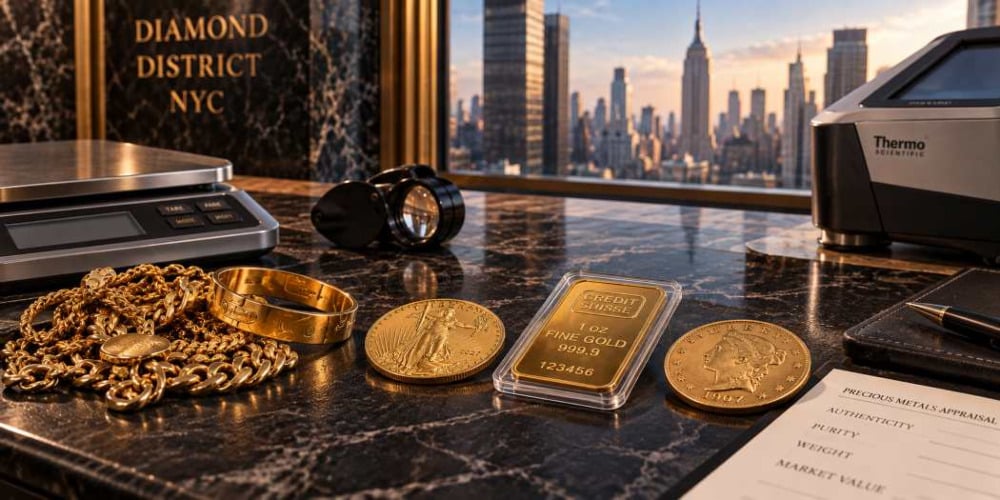
New York City offers an advantage here because sellers have access to a substantial precious-metals trade. An owner can potentially obtain multiple in-person quotes without shipping a high-value bar across the country. Local transactions can also allow the gold to be authenticated and the offer explained before the owner commits to selling.
Private sales may occasionally produce a higher gross price, but they introduce additional risks involving payment, authentication, personal safety, and counterparty trust. With a small object worth thousands of dollars, transaction security deserves considerable weight alongside price. The highest theoretical offer is not necessarily the best transaction if collecting payment or transferring the gold introduces unnecessary risk.
What Is Your Costco Gold Actually Worth?
The live gold spot price is the logical starting point, but it is not necessarily the amount a dealer will pay. Spot represents a benchmark for the underlying metal, while a dealer's bid represents what that particular buyer is willing to pay for your specific product at that moment. The difference reflects factors such as product demand, inventory, authentication, market volatility, operating costs, and the margin needed to resell the bar.
This also explains why the retail price of an identical bar is not a useful measure of what yours should bring. A dealer may sell a bar above spot but cannot ordinarily purchase inventory at that same retail price and still operate a viable secondary market. Instead, ask buyers for the actual bid on the exact product you own and, if possible, obtain several quotes within a relatively short period so changes in the underlying gold price do not distort the comparison.
Focus on net proceeds, including any fees or other transaction costs, rather than an advertised number alone. Most importantly, do not anchor your expectations to the original Costco purchase price. Gold may have risen or fallen since then, and what you paid does not determine what another buyer will pay today.
Can Costco Gold Create an Arbitrage Opportunity?
Costco's combination of competitive bullion pricing and membership or credit-card rewards has occasionally created an unusual situation: an eligible buyer's effective cost for a gold bar can approach, or under favorable circumstances fall below, what a precious-metals dealer is willing to pay for the same product. That price difference creates the possibility of arbitrage—buying an asset through one market at a lower effective price and selling it through another at a higher price.
Consider the transaction from both sides. Costco establishes the purchase price, while qualifying rewards can reduce the buyer's effective acquisition cost. Meanwhile, a bullion dealer bases its bid primarily on the current gold market and demand for that particular bar. If the dealer's bid exceeds the buyer's effective cost after legitimate rewards and expenses are included, there may be a positive spread between the two transactions. Access to multiple bullion buyers in New York can make identifying such price differences easier because sellers can compare competing bids within the same market.
That does not make Costco gold a guaranteed arbitrage trade. Gold prices can change between purchase and resale, dealer bids move with the market, rewards have eligibility requirements and limits, and taxes or transaction expenses can quickly eliminate a narrow spread. Costco also imposes purchasing restrictions on precious metals, limiting how extensively buyers can repeat the strategy.
The broader lesson applies even to owners who have no intention of immediately reselling their gold. A bullion purchase should be evaluated by its effective acquisition cost and realistic resale value together. Costco rewards can potentially improve the first number, while a competitive bullion market can improve the second. Understanding the difference between them provides a more complete measure of whether the original gold purchase actually represented good value.
Should You Leave the Bar in Its Assay?
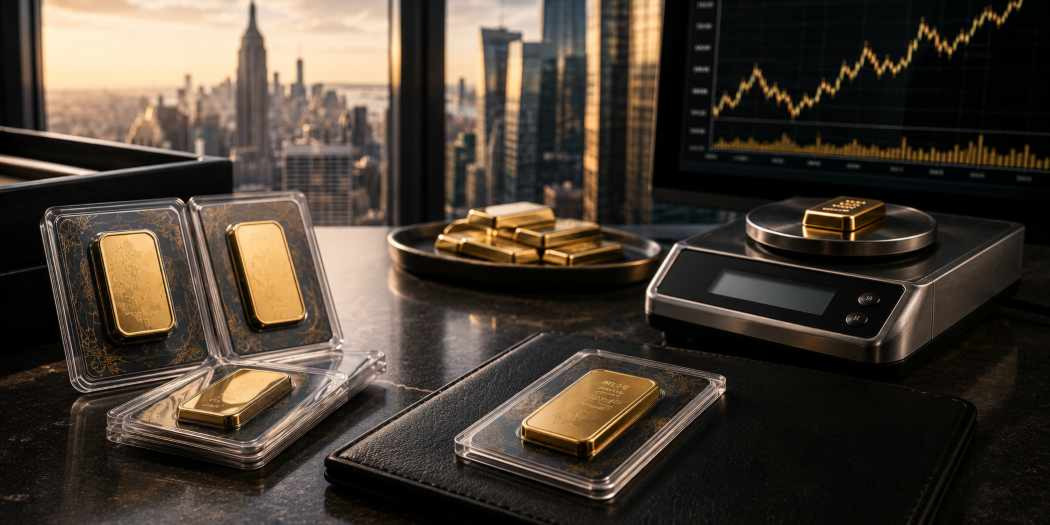
Generally, keeping the original assay packaging intact is sensible. Many one-ounce bars sold through Costco arrive sealed in assay cards displaying identifying information such as the manufacturer, weight, purity, and serial number. An intact assay preserves the product in the form bullion buyers are accustomed to seeing, although it does not replace professional authentication. Established dealers may independently verify the metal regardless of its packaging, which is a normal precaution when handling high-value bullion.
Keep the original Costco receipt as well. It usually will not increase the resale offer, but it provides a record of when the gold was purchased and how much you paid. That information can become important for calculating a gain or loss when the bar is eventually sold, making the receipt more useful for recordkeeping than for negotiating a higher buyback price.
Why Selling in New York Can Be Different
Selling locally eliminates one of the major complications of an online bullion transaction: shipping. Sending thousands of dollars of gold requires careful packaging, tracking, adequate insurance, and confidence in the recipient's procedures. An in-person transaction allows the seller to bring the bar to an established precious-metals buyer, have it evaluated, receive a current offer, and decide whether to accept it. New York's active bullion market also makes comparison shopping practical.
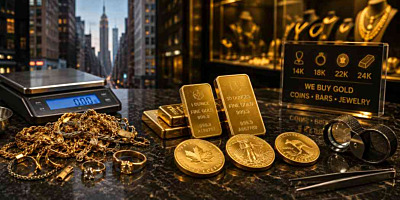
The key is choosing a buyer experienced with investment bullion, rather than assuming every business advertising 'We Buy Gold' values products the same way. Scrap jewelry and recognized bullion bars are different products. A professional bullion dealer understands the secondary market for standardized bars and can evaluate them accordingly.
Security should remain part of that decision as well. Private marketplaces can expose sellers to unnecessary risks when transferring a compact asset with substantial value. A slightly higher theoretical price may not compensate for a significantly less secure transaction, particularly when reputable local buyers provide an opportunity to complete the evaluation and sale face-to-face.
Don't Forget the Tax Records
If your gold has appreciated since you bought it, selling can have tax consequences. Physical gold bullion can fall under the federal tax rules governing collectibles, and the treatment of a gain can depend on factors including acquisition cost and holding period.
This is another reason to retain purchase records. Keep documentation showing what you paid and records from the eventual sale showing what you received; those figures can help establish the cost basis and resulting gain or loss. Because individual circumstances differ, sellers with tax questions should consult a qualified professional rather than relying on the bullion buyer for personalized tax advice.
Costco Gold Doesn't Need a Costco Exit
Perhaps the most important thing to understand about selling Costco gold is that there is no special Costco resale market. Once purchased, the gold bar is simply recognizable physical bullion, and the secondary market cares about its gold content, manufacturer, authenticity, condition, and current demand far more than the retail channel through which it originally reached you.
For New York owners, the process can therefore be relatively straightforward: check the current gold price, identify exactly what you own, preserve the assay when practical, and compare current bids from reputable buyers experienced with investment-grade bullion. Costco has made buying physical gold unusually familiar and convenient, which can be a genuine benefit for investors entering the market, but convenience at purchase should be paired with an understanding of how bullion is ultimately valued and resold.
When it comes time to cash out, knowing the gold market—not the warehouse aisle—is what helps you determine whether you're receiving a competitive offer.
FAQs
Can I sell a gold bar that I bought at Costco?
Yes. Gold purchased at Costco can be resold through the secondary precious-metals market. Costco is the retailer, while the bars themselves are generally produced by recognized refiners and mints. Professional bullion buyers typically evaluate the product based on its weight, purity, manufacturer, authenticity, condition, and current market demand rather than where it was originally purchased.
Does Costco buy back the gold bars it sells?
Costco generally functions as the retailer rather than a precious-metals buyback dealer, and its gold products are typically sold as non-refundable merchandise. Owners who want to sell usually turn to bullion dealers, coin shops, or other precious-metals buyers. This does not make Costco gold difficult to resell; recognized investment-grade bars are commonly traded through the professional secondary bullion market.
Where can I sell Costco gold in NYC?
Costco gold can be sold to established precious-metals dealers and coin shops that purchase investment-grade bullion. New York City has an active physical precious-metals market, making it possible to obtain in-person quotes and compare buyers without necessarily shipping the bar. Look for a dealer experienced specifically with bullion rather than assuming every business advertising gold purchases will value a recognizable investment bar the same way.
How much is my Costco gold bar worth?
The current gold spot price provides the starting benchmark, but the actual amount offered will depend on the buyer's bid for your particular bar. Manufacturer, weight, purity, authenticity, condition, inventory requirements, and market demand can all influence the offer. Sellers should compare current bids for the exact same product rather than using the retail asking price of a similar bar as their resale benchmark.
Will I get the current gold spot price when I sell?
Not necessarily. Spot represents the underlying market benchmark for gold, while a dealer's buyback price reflects what that business is prepared to pay for a specific product. Depending on market conditions and demand, the bid may differ from spot. Comparing several offers within a short period can help sellers determine whether the price they are being offered is competitive relative to the current market.
Is Costco gold worth less because it came from Costco?
No. A recognized gold bar does not become less valuable simply because Costco originally sold it. Professional buyers are primarily concerned with the bullion product itself. A genuine bar from an established refiner is evaluated according to its gold content, manufacturer, authenticity, condition, and marketability. Costco is part of the product's purchase history, not what fundamentally determines its bullion value.
Should I keep my Costco gold bar sealed in the assay?
Keeping the original assay intact is generally sensible when practical. The packaging preserves identifying information such as the refiner, weight, purity, and serial number and maintains the bar in the form commonly encountered by bullion buyers. However, an assay is not a substitute for authentication. A professional dealer may independently verify the bar before purchasing it regardless of whether the original packaging remains sealed.
Do I need the original Costco receipt when selling gold?
The original receipt generally does not determine the amount a bullion dealer will offer, but it is still worth keeping. It documents when the gold was acquired and its purchase price, which can be useful for establishing cost basis and calculating a potential gain or loss. Buyers may have their own identification or transaction requirements, but the value of the bullion itself does not normally depend on producing a Costco receipt.
Is it better to sell Costco gold locally or online?
Both approaches can work. An online bullion buyer may offer competitive pricing, while selling locally avoids shipping, insurance, and delivery concerns and allows the bar to be examined in person. In a market such as New York City, access to multiple precious-metals buyers can make local comparison particularly practical. Sellers should compare net proceeds, convenience, security, payment terms, and the buyer's reputation rather than price alone.
Is selling a Costco gold bar taxable?
Selling physical gold for more than its cost basis can result in a taxable capital gain. Gold bullion may fall under federal rules governing collectibles, and the applicable treatment depends on factors such as purchase price, sale price, and holding period. Keeping accurate acquisition and sale records is therefore important. Because tax circumstances differ by investor, specific questions should be addressed with a qualified tax professional.