

The Same Ounce of Gold Can Bring Very Different Offers
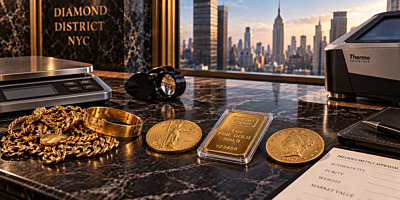
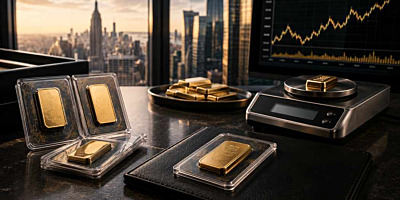
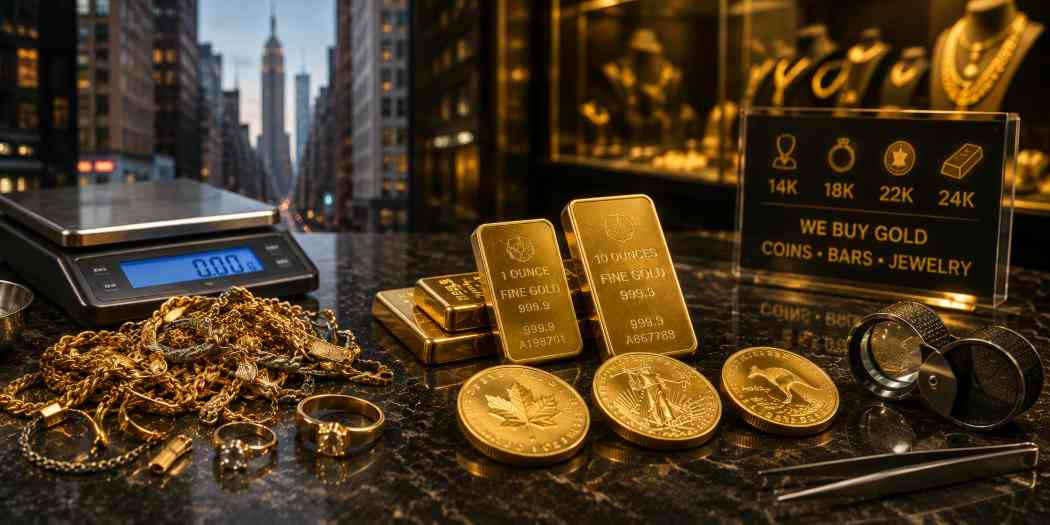
Selling gold in New York City is not as simple as placing an item on a scale and accepting the first number offered. A broken chain, a 14K ring, a one-ounce gold bar, and a collectible gold coin may all contain gold, but they are not valued the same way. Scrap gold is usually priced by purity and weight, while bullion and coins may carry additional value tied to brand, mint, condition, recognizability, and buyer demand.
That difference matters when gold prices are elevated and more sellers are comparing cash offers. A buyer weighing jewelry may focus on melt value after refining costs, while a bullion dealer may evaluate a Gold Eagle, Gold Buffalo, Maple Leaf, Krugerrand, or gold bar based on both spot price and resale premium. Understanding where your item fits before you sell can help you avoid leaving money on the table.
Weight-Based Gold Offers Start With Purity
When selling scrap gold, the first calculation is usually based on karat purity. Pure gold is 24 karat, while 18K gold is 75% gold, 14K gold is 58.5% gold, and 10K gold is 41.7% gold. Most jewelry contains alloy metals that add strength, color, or durability, so the full weight of the item is not the same as the weight of pure gold inside it.
A buyer typically weighs the item, identifies the karat, calculates the pure gold content, and then applies a payout percentage below melt value. That discount can reflect refining costs, business margin, hedging risk, market volatility, and the buyer’s ability to resell or melt the item. This is why two shops may offer different prices for the same ring even if both use the same spot gold price.
For sellers, the important point is transparency. You should understand the weight used, the karat assumed, the live gold price referenced, and the percentage of melt being offered. If the buyer cannot clearly explain those inputs, it becomes harder to judge whether the offer is competitive.
Scrap Gold and Bullion Are Not the Same Market
Scrap gold is usually valued for recovery. Bullion is valued for investment resale. That distinction can change the offer significantly.
A damaged 14K bracelet may be treated as scrap because the buyer expects to refine or wholesale it based on its gold content. A one-ounce gold bar from a recognized refiner is different. Even though it may also be valued by weight, it can often be resold as a bullion product if it is authentic, properly marked, and in good condition. That resale path may support a stronger offer than scrap.
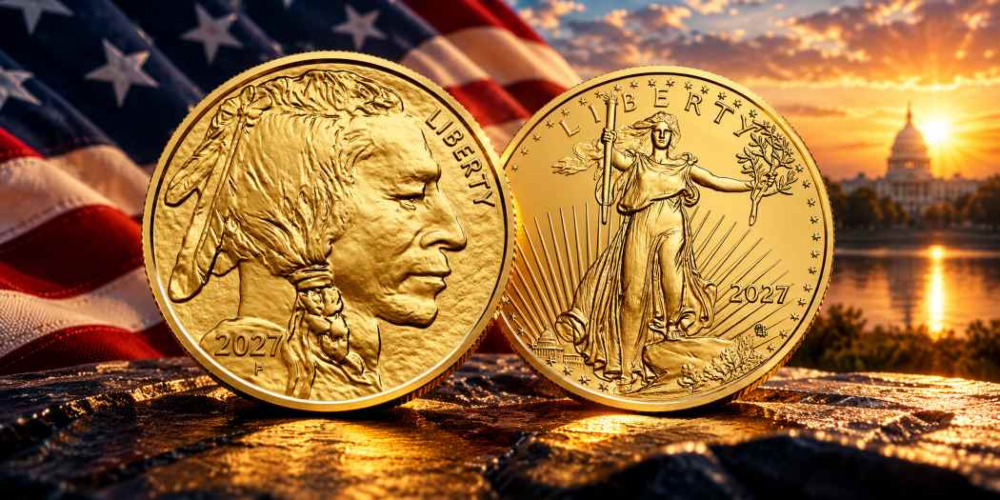
Coins can be even more complex. A modern bullion coin may carry a premium over melt because buyers recognize it, trust its specifications, and want it for investment purposes. A rare or collectible coin may carry numismatic value far above its gold content. If a seller treats every coin like scrap, they may accidentally accept a melt-based offer for an item that deserves a collector-market evaluation.
Coin Premiums Can Outweigh Melt Calculations
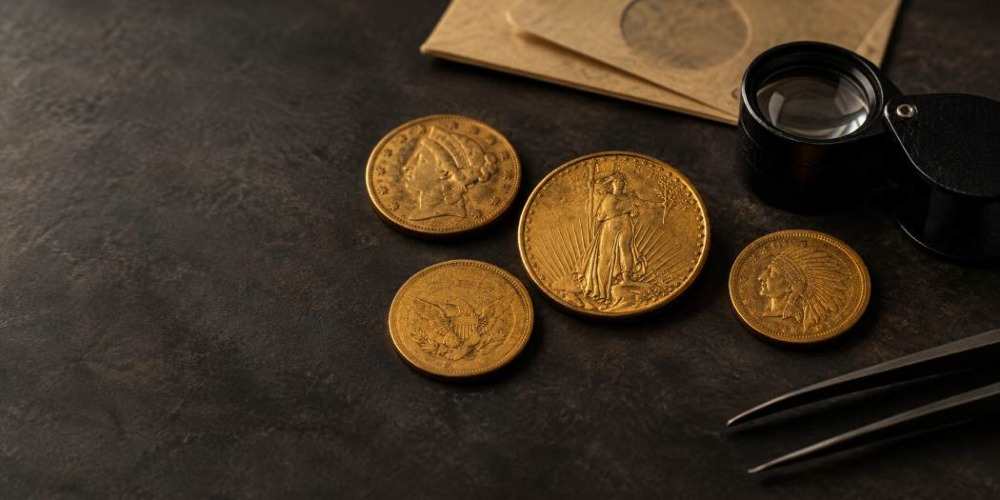
Gold coins should be evaluated before they are sold strictly by weight. A common modern bullion coin may trade close to spot plus or minus a market premium, but a scarce date, proof coin, low-mintage issue, graded coin, or historic U.S. gold coin can be worth far more than melt value.
This is where sellers need to slow down. A coin’s date, mint mark, grade, condition, packaging, certification, and demand can all influence value. A cleaned or damaged collectible coin may trade closer to melt, while a problem-free graded coin may command a strong premium. Even modern coins can vary depending on current inventory, market demand, and whether the item is easy for dealers to resell.
Before selling a gold coin in NYC, identify whether it is bullion, semi-numismatic, or collectible. A buyer who specializes in scrap jewelry may not offer the same value as a dealer who understands coin premiums. The better the item’s resale market, the more important it becomes to compare offers.
NYC Sellers Should Watch the Scale and the Terms
New York City has consumer protection rules for businesses that buy secondhand goods, including used gold, silver, platinum, and other precious metals. Sellers should feel comfortable asking whether a buyer is properly licensed, how the item is weighed, and how the offer is calculated. A scale should be visible and understandable, and sellers should be able to see what is being weighed.
The weight unit also matters. Gold is often quoted in troy ounces, while jewelry may be weighed in grams or pennyweights. A troy ounce is not the same as a standard household ounce. If a buyer quotes one unit and weighs in another, ask for the conversion. Confusion around units can make an offer look better or worse than it really is.
A professional transaction should be clear. The buyer should identify the item, test or verify purity when needed, weigh it accurately, explain the spot price used, and provide a straightforward offer. Sellers should avoid pressure tactics, vague explanations, or offers that cannot be broken down into weight, purity, and price.
Testing Methods Can Affect Seller Confidence
Gold buyers may use different methods to test purity, including visual inspection, magnet checks, acid testing, electronic testing, XRF analysis, or verification tools for bullion coins and bars. Each method has strengths and limits. Jewelry may require karat testing, while bullion may require authentication checks to confirm weight, dimensions, and metal content.
Sellers should understand that testing gold is not only about whether an item is “real.” It also determines how the buyer prices it. A marked 14K item may still be tested because markings can be incorrect, worn, or counterfeit. A gold bar may need verification because fake bars and plated items exist in the market.
For valuable coins, testing should be handled carefully. Harsh or careless testing can damage collectible surfaces. If a coin may have numismatic value, sellers should seek an evaluation that preserves its condition. A rare coin should not be treated like a broken bracelet.
Jewelry Value May Include More Than Gold
Not all jewelry should be sold strictly as scrap. Some pieces may have value from brand, craftsmanship, gemstones, designer recognition, antique appeal, or resale demand. A gold bracelet from a recognizable luxury maker may be worth more as jewelry than as melt. A vintage piece may appeal to estate buyers. A diamond ring may require separate evaluation of the stone and setting.
That said, many broken, mismatched, heavily worn, or outdated pieces do trade primarily on melt value. The key is knowing which category applies. If the item is generic, damaged, or difficult to resell, a weight-based offer may be reasonable. If it has a known brand, high-quality stones, or strong design appeal, get a jewelry resale evaluation before accepting a scrap offer.
This same thinking applies to watches and luxury accessories. The gold case or bracelet may have melt value, but the brand, movement, condition, and collectibility may matter more than metal weight.
Spot Price Is Only the Starting Point
The live gold spot price is the foundation for many offers, but it is not the amount most sellers receive for scrap. Spot reflects the wholesale market price for pure gold, typically quoted per troy ounce. A scrap offer must adjust for purity, weight unit, refining costs, and buyer margin. Bullion offers may come closer to spot because recognizable coins and bars can often be resold rather than refined.
For example, a one-ounce 24K bullion coin may be evaluated much closer to the live gold price than a pile of 10K jewelry. The jewelry contains less pure gold per gram and may require refining. A collectible coin may exceed spot if demand is strong. This is why “gold price” and “gold offer” are related but not identical.
Sellers should compare offers based on the same assumptions. Ask each buyer what spot price they are using, what purity they assigned, what weight they measured, and what payout percentage applies. Without that information, offer comparisons can be misleading.
How to Prepare Before Selling Gold in NYC
Preparation can improve confidence and reduce the risk of accepting a weak offer. Start by separating items into categories: scrap jewelry, bullion coins, bullion bars, collectible coins, branded jewelry, watches, and items with gemstones. Do not remove stones, clean coins, polish jewelry, or alter items before evaluation. Changes made at home can reduce value or create suspicion.
Next, weigh items if you have an accurate scale, but treat your number as a reference, not a final appraisal. Check karat markings, original packaging, certificates, assay cards, receipts, and grading holders. Documentation can help establish authenticity and support stronger offers, especially for bullion and coins.
Finally, compare more than one quote when possible. A competitive market like NYC offers many selling options, but not every buyer specializes in the same material. A scrap gold buyer, pawn shop, jewelry buyer, bullion dealer, and coin dealer may each value the same item differently. The best venue depends on what you are selling.
A Better Selling Strategy for Scrap, Bullion, and Coins
The smartest strategy is to match the item to the right market. Sell broken or generic karat jewelry based on transparent melt calculations. Sell recognized bullion coins and bars through a buyer who understands bullion spreads and resale demand. Sell rare or potentially collectible coins only after checking numismatic value. Sell branded jewelry or watches where brand and resale value are part of the offer.
This approach protects sellers from the biggest mistake: treating all gold as scrap. Gold’s melt value is important, but it is not always the ceiling. In some cases, it is only the floor. A seller who understands the difference between scrap value, bullion value, and coin premium can better judge offers and negotiate with confidence.
For anyone planning to sell gold by weight in NYC, the core rule is simple: know what you have before you weigh it for cash. The scale measures metal, but the market may value much more than weight.
FAQs
What does it mean to sell gold by weight in NYC?
Selling gold by weight in NYC means a buyer calculates value based on the item’s weight, purity, and the current gold price. This is most common for scrap jewelry, broken chains, rings, and other karat gold items. The buyer typically adjusts for gold content, refining costs, and margin. Bullion coins, gold bars, and collectible coins may require a different valuation because they can carry premiums above melt value.
Is scrap gold worth the same as bullion?
No, scrap gold is not always worth the same as bullion. Scrap gold is usually valued for its recoverable metal content after adjusting for purity and refining costs. Bullion coins and bars are often valued closer to spot gold because they are recognizable investment products that can be resold. Some coins may also carry additional premiums based on mint, condition, rarity, certification, or collector demand.
How do NYC gold buyers calculate scrap gold value?
NYC gold buyers usually calculate scrap gold value by weighing the item, identifying its karat purity, estimating the pure gold content, and applying a payout percentage below melt value. The final offer may reflect refining costs, market risk, and dealer margin. Sellers should ask what spot price was used, what karat was assigned, what weight was measured, and how the payout percentage was calculated.
Should gold coins be sold by weight?
Gold coins should not automatically be sold by weight because some coins are worth more than melt value. Modern bullion coins may carry premiums due to recognizability and resale demand. Rare, graded, proof, or historic coins can have numismatic value far above their gold content. Before accepting a weight-based offer, sellers should identify the coin’s date, mint, condition, certification, and collector demand.
What is the difference between melt value and coin value?
Melt value is the value of the pure gold content inside an item based on the current spot price. Coin value may include melt value plus additional premium for mint recognition, condition, rarity, certification, demand, and collectibility. A common damaged coin may trade near melt, while a scarce or high-grade coin can be worth far more. Sellers should know which category applies before accepting an offer.
Do gold buyers in NYC need to be licensed?
Many businesses buying secondhand gold, silver, platinum, and other precious metals in NYC fall under secondhand dealer rules. Sellers should look for proper business licensing and clear transaction practices before selling. A reputable buyer should explain weighing, purity testing, pricing, and payment terms. If a buyer cannot clearly describe how an offer was calculated, sellers should consider getting another quote.
What should I bring when selling gold?
When selling gold, bring the item itself along with any receipts, assay cards, certificates, grading holders, original packaging, or documentation. For bullion bars, assay packaging can help verify authenticity. For coins, certification can support numismatic value. For jewelry, brand paperwork or gemstone reports may matter. Documentation does not guarantee a higher offer, but it can improve buyer confidence and help distinguish bullion or collectibles from scrap.
Should I clean gold jewelry or coins before selling?
No, sellers should generally avoid cleaning gold jewelry or coins before selling. Polishing can damage collectible coins, alter surfaces, or reduce buyer confidence. Jewelry cleaning may also affect delicate pieces, gemstones, or antique finishes. A buyer can evaluate the item as it is. If a gold coin may be rare or collectible, preserving its original surface is especially important because cleaning can reduce numismatic value.
How can I compare gold offers fairly?
To compare gold offers fairly, ask each buyer for the weight, purity, spot price used, payout percentage, and whether the item was valued as scrap, bullion, jewelry, or a collectible coin. Offers should be compared using the same assumptions. A higher-sounding quote may not be better if it uses different units or excludes premiums. Getting multiple offers can help reveal the market range.
When is gold worth more than scrap value?
Gold is worth more than scrap value when it has resale demand beyond melt. This can apply to recognized bullion coins and bars, rare gold coins, proof coins, certified coins, luxury jewelry, antique pieces, designer items, and watches. In these cases, brand, mint, condition, rarity, and documentation can matter as much as gold weight. Sellers should evaluate premium potential before accepting a scrap-based offer.
Related reading you may find interesting:
Gold Jewelry Hallmarks by Country: US, UK, France, Italy & India