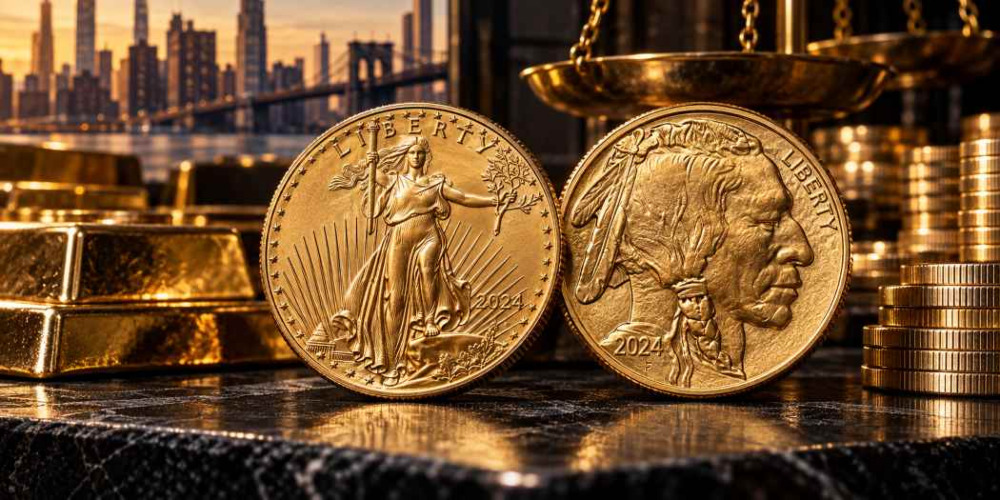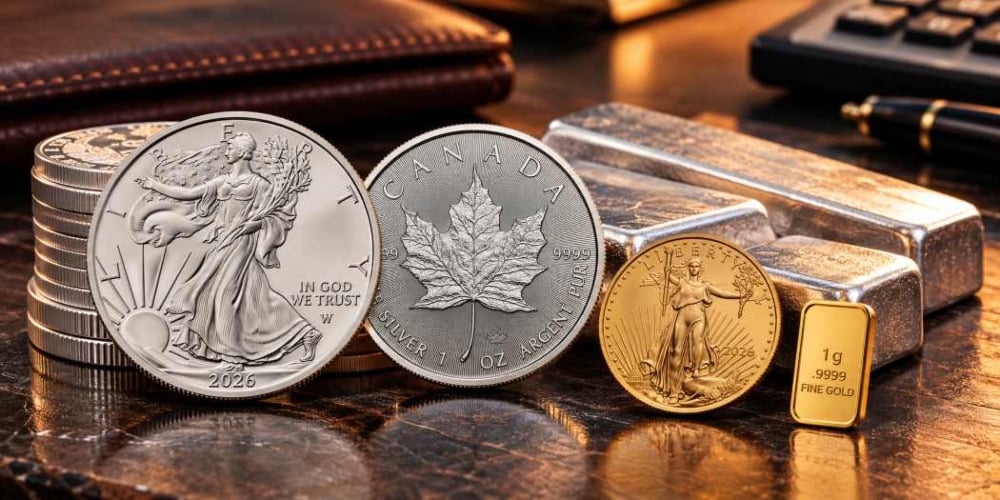





Rising Gold Prices Are Bringing More Buyers Into Both Markets
As gold and silver prices continue trading near historic highs in 2026, investor interest in physical precious metals has expanded well beyond traditional bullion buying alone. More first-time buyers are entering the market seeking protection against inflation, geopolitical uncertainty, currency instability, and long-term economic volatility. At the same time, growing demand for rare and collectible coins has renewed attention on an important distinction many newer buyers initially overlook: the difference between numismatic and bullion coins.
Although both categories involve precious metals ownership, they operate under very different market dynamics. Bullion coins derive most of their value from metal content and spot price exposure, while numismatic coins are influenced heavily by rarity, condition, historical significance, collector demand, and grading. Understanding how these two markets function has become increasingly important as investors seek to balance liquidity, scarcity, long-term appreciation potential, and exposure to precious metals prices within a rapidly evolving global bullion environment.
Bullion Coins Are Primarily Driven by Metal Value
Bullion coins are investment-grade precious metals products valued primarily for their gold, silver, platinum, or palladium content.
Examples of major bullion coins include:
-
Canadian Maple Leafs
-
South African Krugerrands
-
Australian Kangaroos
These products are typically struck by sovereign mints and carry guaranteed purity and weight backed by issuing governments.
Their market value closely follows:
-
precious metals spot prices
-
dealer premiums
-
wholesale supply conditions
-
investor demand
For example, when gold prices rise sharply, bullion coin prices usually increase proportionally because their underlying value is tied directly to precious metals content.
Bullion investors generally focus on:
-
metal exposure
-
liquidity
-
lower premiums
-
portfolio diversification
-
inflation protection
rather than rarity or collector significance.
Numismatic Coins Trade on Scarcity and Collector Demand
Numismatic coins operate differently because their value extends beyond metal content alone.
These coins may carry premiums based on:
-
rarity
-
historical importance
-
mint errors
-
low mintage figures
-
condition
-
collector demand
-
grading population scarcity
In many cases, numismatic coins can trade for substantially more than their underlying melt value.
For example:
-
rare Morgan Dollars
-
Saint Gaudens Double Eagles
-
key-date Lincoln Cents
-
early U.S. gold coins
may command strong premiums due to collector competition rather than precious metals prices alone.
This distinction becomes especially important because numismatic values can sometimes remain stable even during periods when gold or silver spot prices weaken.
Collectors and advanced investors often view rare coins as a specialized asset class combining:
-
history
-
scarcity
-
artistry
-
tangible wealth preservation
within a structured collectibles market.
Spot Price Movement Impacts the Two Markets Differently
One of the biggest differences between bullion and numismatic coins involves how they respond to changing precious metals prices.
Bullion products generally move closely with:
-
silver spot price
-
platinum price action
-
broader commodity trends
If silver rises 20%, many silver bullion coins will experience roughly similar directional price movement.
Numismatic coins behave differently because collector demand and scarcity often play larger roles than raw metal value.
During strong precious metals bull markets:
-
bullion demand often surges rapidly
-
retail inventory tightens
-
premiums expand
-
liquidity increases
Meanwhile, numismatic markets may respond more gradually depending on broader collector participation and economic conditions.
In some cases, rare coin markets outperform bullion dramatically over long periods due to limited surviving populations and growing collector demand.
Grading Plays a Major Role in Numismatic Value
Condition is one of the most important drivers within the numismatic market.
Professional grading services such as:
evaluate coins using standardized grading scales that assess:
-
wear
-
strike quality
-
luster
-
preservation
-
eye appeal
Small differences in grade can dramatically affect market value.
For example, a coin graded MS69 may trade for significantly less than the same date graded MS70 because population scarcity at the highest grades can drive intense collector demand.
Bullion coins may also be graded, particularly proof or limited-edition releases, but grading typically plays a far larger role within true numismatic markets.
Understanding grading standards is essential for collectors and investors navigating rare coin pricing.
Bullion Markets Usually Offer Greater Liquidity
Bullion coins generally provide stronger day-to-day liquidity because pricing is standardized around current precious metals values.
Dealers worldwide actively buy and sell:
-
Gold Eagles
-
Silver Eagles
-
Maple Leafs
-
bullion bars
-
widely recognized sovereign coins
with relatively transparent pricing tied closely to spot markets.
This makes bullion products attractive for investors prioritizing:
-
fast transactions
-
easier resale
-
portfolio hedging
-
broad market recognition
Numismatic coins can still maintain strong liquidity, particularly for highly desirable key dates and certified rarities, but pricing often requires more specialized market knowledge.
Rare coin values may vary significantly depending on:
-
grading
-
auction demand
-
collector trends
-
certification
-
market timing
As a result, numismatic investing typically requires greater expertise and patience compared to standard bullion ownership.
Scarcity Functions Differently in Each Category
Scarcity exists in both markets, but it operates differently.
Bullion scarcity is often temporary and driven by:
-
refinery bottlenecks
-
mint production limits
-
retail demand spikes
-
supply-chain disruptions
For example, Silver Eagle premiums can surge during periods of strong physical demand even though millions are produced annually.
Numismatic scarcity is usually permanent.
Rare coins may have:
-
extremely low surviving populations
-
permanently capped mintages
-
unique historical significance
-
disappearing collector availability
That permanent scarcity helps explain why certain numismatic coins continue appreciating even decades after issuance.
The long-term supply dynamics between the two markets are fundamentally different.
Economic Conditions Influence Buyer Behavior
Macroeconomic conditions often shape whether investors gravitate more toward bullion or numismatic products.
During periods of:
-
inflation fear
-
banking instability
-
recession concerns
-
geopolitical uncertainty
many investors prioritize bullion ownership because of direct exposure to precious metals prices and perceived safe-haven protection.
Numismatic markets, meanwhile, may benefit more during periods of:
-
rising discretionary wealth
-
stronger collector participation
-
expanding auction activity
-
long-term estate demand
That does not mean numismatic coins lack defensive qualities. High-end rare coins have historically maintained significant long-term value, particularly for ultra-scarce pieces.
However, the buyer psychology behind each market segment often differs considerably.
Bullion Appeals More to Pure Metals Investors
Bullion buyers are typically focused on:
-
wealth preservation
-
metals accumulation
-
portfolio diversification
-
liquidity
Their primary objective is usually maximizing precious metals exposure while minimizing acquisition costs.
This is why many bullion investors prioritize:
-
lower premiums
-
larger bars
-
sovereign bullion coins
-
wholesale pricing efficiency
Bullion ownership is often viewed as a more direct form of hard-asset investing tied closely to global commodity markets and monetary conditions.
For many investors, bullion functions similarly to financial insurance against macroeconomic instability.
Numismatic Collecting Combines Investing With Historical Ownership
Numismatic buyers often approach coins differently because the experience involves more than metal ownership alone.
Collectors may value:
-
historical significance
-
artistic design
-
rarity
-
preservation
-
registry competition
-
long-term scarcity
Owning a rare Saint Gaudens Double Eagle or early Morgan Dollar represents participation in monetary history as much as financial investment.
The emotional and historical connection surrounding numismatic collecting helps create demand dynamics distinct from bullion markets.
For some collectors, the appeal lies not only in potential appreciation, but also in preserving tangible pieces of history.
Both Markets Continue Expanding in Modern Precious Metals Investing
The distinction between bullion and numismatic coins has become increasingly important as physical precious metals ownership continues expanding globally.
Bullion products remain highly attractive for investors seeking:
-
direct spot-price exposure
-
liquidity
-
inflation protection
-
portfolio diversification
Meanwhile, numismatic coins continue drawing collectors and advanced investors pursuing:
-
rarity
-
historical significance
-
grading scarcity
-
long-term collector appreciation
Neither market is inherently superior. Instead, each serves different investment goals, risk tolerances, and ownership preferences.
For many modern precious metals buyers, the most effective strategy may involve understanding how both markets function — and recognizing that bullion investing and numismatic collecting often complement rather than compete with one another.
FAQs
What is the difference between numismatic and bullion coins?
Bullion coins are valued mainly for their precious metals content and spot-price exposure, while numismatic coins derive value from rarity, condition, historical importance, and collector demand.
Are numismatic coins a good investment?
Numismatic coins can perform well long term, particularly rare and high-grade examples with strong collector demand. However, they often require more expertise and market knowledge than bullion investing.
Do bullion coins follow gold and silver spot prices?
Yes. Bullion coin prices generally move closely with underlying precious metals spot prices, along with dealer premiums and supply-demand conditions.
Why are numismatic coins more expensive than melt value?
Numismatic coins may carry substantial premiums because of low surviving populations, historical significance, grading scarcity, mint errors, or strong collector competition.
Which is easier to sell: bullion or numismatic coins?
Bullion coins are usually easier to sell quickly because pricing is more standardized and globally recognized through precious metals markets.
Does coin grading matter for bullion coins?
Grading matters less for standard bullion products, though certain proof or limited-edition bullion coins may command higher premiums in top certified grades.
What role do PCGS and NGC play in numismatics?
PCGS and NGC authenticate and grade coins using standardized systems, helping establish market confidence, pricing consistency, and collector trust.
Can numismatic coins rise even if gold prices fall?
Yes. Rare coin values may continue increasing because collector demand and scarcity can outweigh underlying precious metals price movement.
Why do investors buy bullion instead of rare coins?
Many investors prefer bullion because it offers direct precious metals exposure, stronger liquidity, lower premiums, and simpler pricing tied closely to spot markets.
Is it possible to own both bullion and numismatic coins?
Yes. Many collectors and investors hold both bullion and numismatic products to balance metals exposure, liquidity, rarity, and long-term appreciation potential.
Related reading you may find interesting:
Coin Slabbing Services: PCGS, NGC, ANACS, and ICG