
Why Goldbacks Are Redefining Fractional Gold Ownership
Gold has served as a trusted store of value for thousands of years, but it has always faced one practical limitation: it is difficult to use for small, everyday transactions. A one-ounce gold coin may be an excellent long-term investment, yet its value makes it impractical for routine purchases. Even fractional bullion coins, while more affordable, remain too valuable for most daily exchanges and often carry relatively high premiums.
Goldbacks were created to address that challenge. Rather than competing with traditional bullion, they introduce a different way of owning physical gold by embedding precise amounts of 24-karat gold into durable, wallet-sized notes. The result is a product that combines the intrinsic value of precious metal with the convenience of paper currency, creating what its issuer describes as a voluntary local currency accepted by participating businesses in several U.S. states.
Since their introduction in 2019, Goldbacks have attracted attention from precious metals investors, collectors, sound-money advocates, and those simply curious about innovative forms of physical gold ownership. While they occupy a niche quite different from gold coins and bars, their growing popularity raises an interesting question: why have these small gold notes found an audience when traditional bullion has long dominated the market?
The answer lies not only in how Goldbacks are made, but in the unique role they are designed to fill.
How Goldbacks Turn Tiny Amounts of Gold Into Spendable Currency
Unlike traditional paper money, Goldbacks contain real physical gold. Each note is manufactured using a proprietary vacuum deposition process that bonds an ultra-thin layer of 24-karat gold between durable polymer sheets. The finished product is flexible enough to be carried in a wallet while protecting the embedded gold from everyday handling.
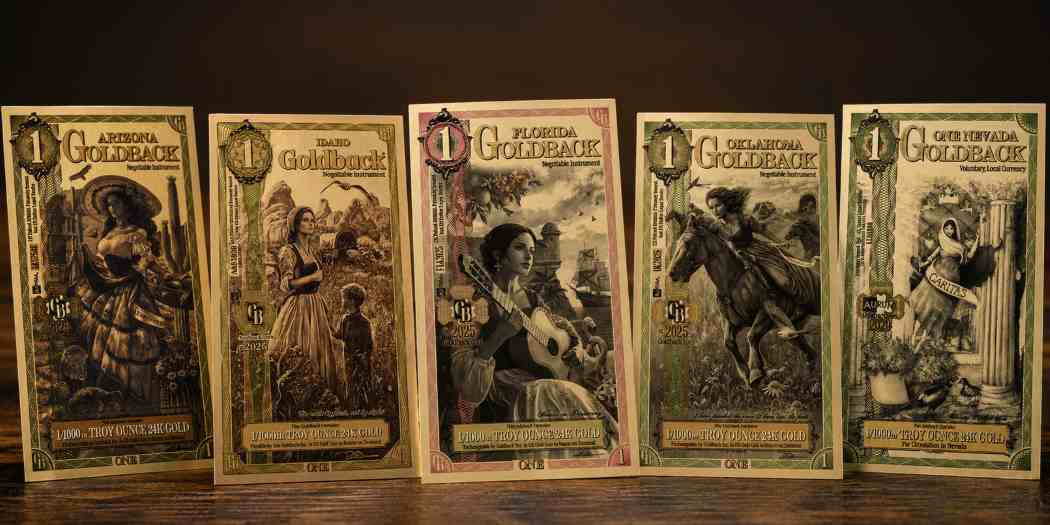
Rather than assigning a face value in dollars, Goldbacks are issued in denominations based on the amount of gold they contain. The original 1 Goldback contains 1/1,000 of a troy ounce of .999 fine gold, while larger denominations of 2, 5, 10, 25, 50, and 100 Goldbacks contain proportionally more gold. More recently, even smaller fractional notes have been introduced, including the 1/2 Goldback, containing 1/2,000 of a troy ounce, and the 1/4 Goldback, containing 1/4,000 of a troy ounce. Together, these denominations allow buyers to own and exchange physical gold in increments that are simply not practical with traditional bullion coins or bars.
That structure distinguishes Goldbacks from both bullion products and conventional currency. Their value is derived from the physical gold embedded within each note, but their purchasing power is determined by voluntary exchange between buyers and participating merchants rather than by a government-issued face value. As the price of gold changes, so does the intrinsic value of each Goldback.
Each state series also features original artwork celebrating local history, culture, and virtues. Allegorical figures, regional landmarks, wildlife, and historical themes transform every denomination into more than a fractional piece of gold—they become miniature works of art that appeal to collectors as much as precious metals enthusiasts.
Goldbacks command premiums above their intrinsic gold value largely because of their manufacturing process. Producing precisely measured layers of gold inside durable polymer notes is considerably more complex than striking conventional bullion coins or casting bars. Buyers are paying not only for the precious metal, but also for the specialized production, security features, artwork, and practicality that make Goldbacks unlike any other physical gold product on the market.
Goldbacks vs. Traditional Bullion
For first-time buyers, the most important distinction is that Goldbacks are not intended to replace traditional bullion. Instead, they complement coins and bars by serving a purpose those products were never designed to fulfill.
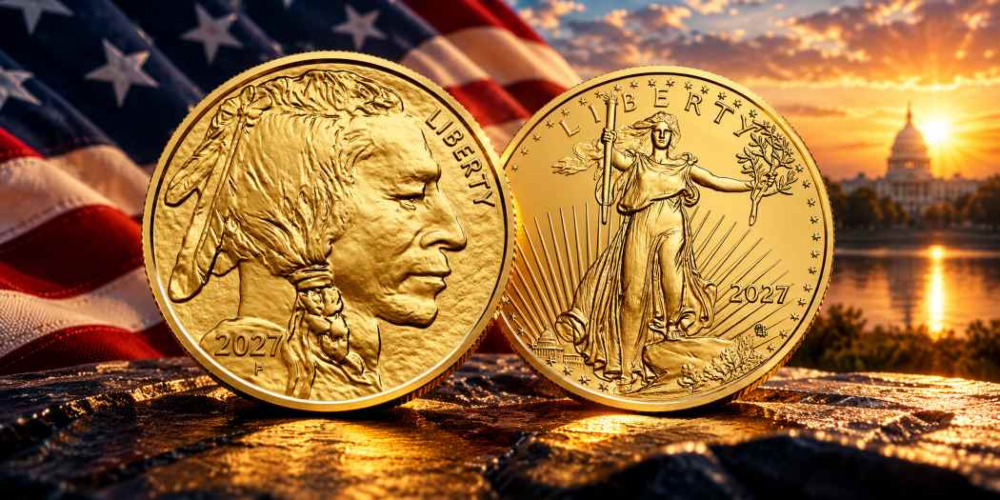
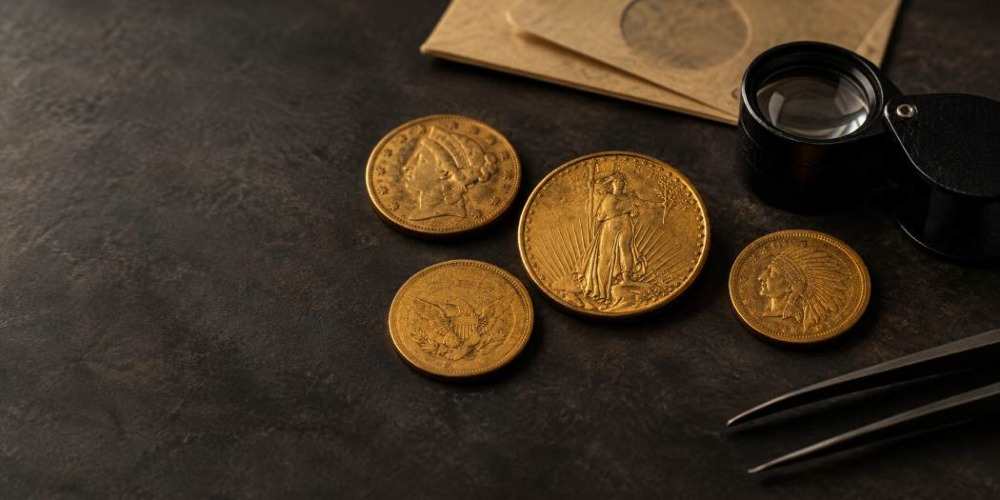
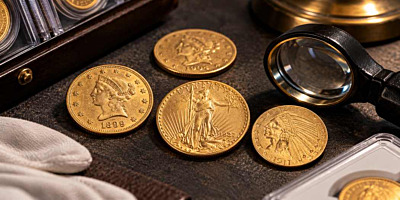
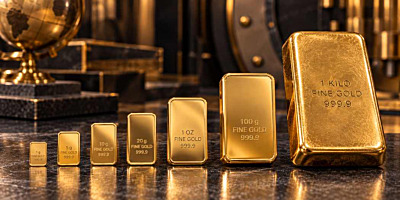
Traditional bullion emphasizes efficient precious metals ownership. A one-ounce gold bar or American Gold Eagle offers relatively low premiums per ounce and is primarily intended for long-term wealth preservation. Goldbacks take the opposite approach, prioritizing exceptional divisibility over maximum gold content. Their small denominations make it possible to own and exchange tiny amounts of physical gold that would be impractical to produce as conventional bullion coins.
That difference also explains why Goldbacks typically carry higher premiums than their intrinsic gold value. Buyers are paying not only for the gold itself, but also for the specialized manufacturing process, intricate artwork, durable polymer construction, and the convenience of highly divisible physical gold. While investors focused on acquiring ounces at the lowest cost may prefer traditional bullion, Goldbacks appeal to buyers seeking portability and flexibility that larger products cannot provide.
Liquidity also differs. Gold bullion enjoys broad recognition among dealers worldwide, making it relatively straightforward to buy and sell based primarily on current gold spot prices. Goldbacks trade within a more specialized market of collectors, precious metals enthusiasts, and participating merchants. Rather than viewing one product as better than the other, it is more accurate to see them as serving different purposes within the precious metals marketplace.
Why Goldbacks Have Developed a Loyal Following
Goldbacks have attracted interest from several different communities. Some buyers appreciate them as an innovative form of fractional physical gold, while others are drawn to their artistic designs or their role as a voluntary local currency accepted by participating merchants. Together, those qualities have created a following that extends well beyond traditional bullion investors.
Each state series features original artwork centered on allegorical virtues such as Liberty, Prudence, Justice, and Veritas, incorporating regional history, landmarks, wildlife, and cultural themes. New state releases and denomination expansions have further strengthened their appeal among collectors, many of whom assemble complete sets much like other modern numismatic series.
Goldbacks have also developed a growing merchant network in participating states, where businesses voluntarily accept them at exchange rates tied to current gold values. Although that network remains relatively small compared with conventional payment systems, it reflects the product's original purpose as more than simply a collectible.
Many owners never intend to spend their Goldbacks. Instead, they value them as collectible works of art that happen to contain real gold. Their distinctive designs, precise gold content, and convenient size have made them popular keepsakes, gifts, and conversation pieces, even among buyers who have little interest in using them as a voluntary currency.
Should First-Time Buyers Consider Goldbacks?
Whether Goldbacks belong in your precious metals portfolio depends on your goals. Investors seeking the lowest premiums and maximum gold weight will generally find greater value in traditional bullion coins and bars. Those products remain the most efficient way to accumulate physical gold.
Goldbacks, by contrast, appeal to buyers looking for something different. They combine measurable gold content with portability, artistic design, and unmatched divisibility, creating a product that occupies a niche all its own. Because their value reflects both the gold they contain and the specialized manufacturing required to produce them, they should not be judged solely by comparing premiums with conventional bullion.
Ultimately, Goldbacks represent an innovative addition to the precious metals market rather than a replacement for traditional bullion. Whether purchased as collectibles, highly fractional physical gold, or examples of voluntary gold-backed currency, they expand the ways people can own and appreciate gold. For first-time buyers, that distinctive blend of precious metal, artistry, and practicality gives Goldbacks a place in the market that conventional coins and bars do not quite fill.
FAQs
What are Goldbacks?
Goldbacks are voluntary currency notes containing measurable amounts of 24-karat gold embedded within durable polymer layers. Unlike traditional paper money, each Goldback contains real physical gold and is issued in denominations based on its gold content rather than a government-assigned face value. They are designed to combine the intrinsic value of gold with the convenience of a lightweight, flexible note.
How much gold is in a Goldback?
Goldbacks are available in multiple denominations, each containing a specific amount of .999 fine gold. A 1 Goldback contains 1/1,000 of a troy ounce, while 1/4, 1/2, 2, 5, 10, 25, 50, and 100 Goldback notes contain proportional amounts. Together, 1,000 individual Goldbacks equal one troy ounce of gold.
Are Goldbacks legal tender?
No. Goldbacks are not U.S. legal tender issued by the federal government. They function as a voluntary currency accepted by participating businesses that choose to receive them as payment. Their exchange value is negotiated voluntarily and generally reflects the market value of the gold contained in each note.
How are Goldbacks different from gold coins?
Goldbacks differ from traditional gold coins because they are designed for highly divisible gold ownership rather than efficient bullion accumulation. While coins and bars maximize precious metal content per dollar spent, Goldbacks prioritize portability, fractional ownership, artwork, and the ability to represent very small quantities of physical gold.
Why do Goldbacks cost more than their gold value?
Goldbacks typically sell for more than their intrinsic gold content because their price reflects more than the precious metal alone. Buyers also pay for the specialized manufacturing process, security features, detailed artwork, durable polymer construction, and the convenience of owning extremely small fractions of physical gold.
Can you spend Goldbacks?
Yes, but only where they are voluntarily accepted. A growing number of participating businesses in several states accept Goldbacks as payment based on current exchange rates tied to their gold value. Most owners, however, purchase Goldbacks as collectibles, gifts, or fractional gold holdings rather than for everyday spending.
Are Goldbacks a good investment?
Goldbacks are best viewed as a specialized physical gold product rather than a traditional investment. Their value reflects both their gold content and their unique format, so buyers seeking the lowest premiums per ounce generally prefer conventional bullion. Those interested in divisibility, collectibility, or voluntary gold currency may find Goldbacks especially appealing.
Should first-time buyers purchase Goldbacks or bullion?
That depends on your objectives. Investors focused on maximizing gold ownership typically benefit from bullion coins or bars because they carry lower premiums. Goldbacks are better suited for buyers interested in highly fractional physical gold, collectible artwork, or owning a unique form of voluntary gold-backed currency that differs from conventional bullion products.