


Gold Prices Are High—Here’s How to Sell Gold NYC for Maximum Value
Gold prices have remained elevated in 2026, supported by persistent inflation concerns, central bank accumulation, and global economic uncertainty. For many individuals in New York City, this environment presents a timely opportunity to liquidate gold jewelry, coins, or bullion at favorable rates.
But in a market like NYC—especially within the Diamond District—where dozens of buyers compete for inventory, pricing can vary significantly. The difference between a strong payout and an underwhelming offer often comes down to understanding how gold is evaluated, where you sell, and how market conditions influence bids.
For anyone looking to sell gold in NYC, knowing what to expect before stepping into a shop can directly impact your final return.
How Spot Price and Market Conditions Shape NYC Gold Offers
Every gold transaction begins with one critical benchmark: the gold spot price. This is the live global price of gold per troy ounce, fluctuating throughout the trading day based on macroeconomic factors such as interest rate expectations, currency strength, and geopolitical risk.
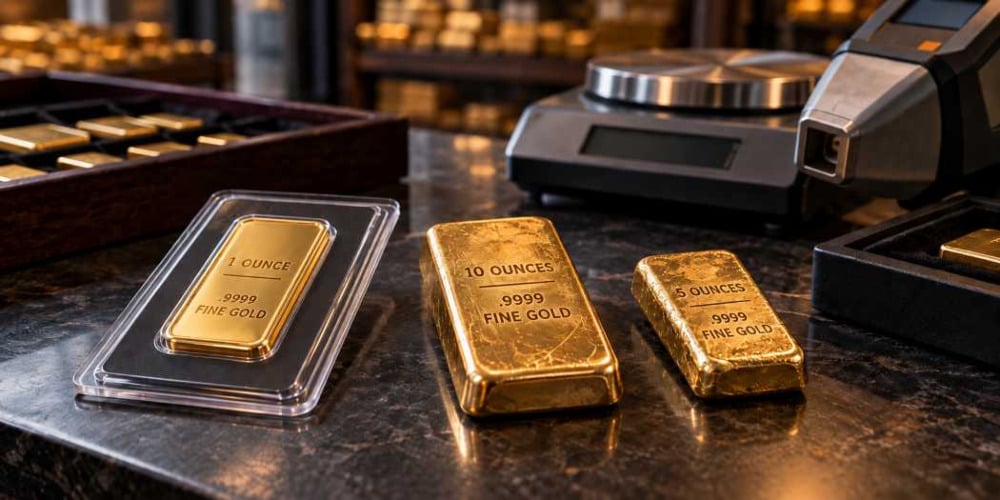
In NYC, most reputable buyers base their offers on a percentage of spot price. However, the percentage you receive depends on the type of item you are selling. Bullion products—such as gold bars or widely recognized coins—typically command higher payouts due to their liquidity and standardized purity.
Jewelry, on the other hand, is often priced strictly for its melt value. This means the buyer calculates the gold content based on karat purity, subtracts refining costs, and applies a margin. As a result, offers for jewelry tend to be lower than for investment-grade bullion.
Timing also matters. Selling during periods of strong upward price momentum can yield better offers, particularly when buyers are actively seeking inventory.
Inside the Diamond District: What Makes It a Gold Selling Hub
Located along West 47th Street in Manhattan, the Diamond District is one of the most active gold trading centers in the United States. With a dense concentration of dealers, wholesalers, and refiners, it offers a competitive environment that can benefit sellers.
The key advantage here is price competition. Multiple buyers operate within a small area, allowing sellers to compare offers quickly. This dynamic often leads to tighter spreads and more aggressive pricing compared to isolated pawn shops or general jewelry stores.
However, not all buyers operate under the same standards. Some specialize in wholesale transactions and offer rates closer to spot, while others focus on retail margins and may provide lower payouts. Understanding this distinction is essential when navigating the district.
Professional bullion dealers typically provide the most transparent pricing, especially for coins and bars, as they operate within established market frameworks.
Bullion vs Jewelry: Why Product Type Determines Your Payout
One of the most important factors influencing how much you receive is whether you are selling bullion or jewelry.
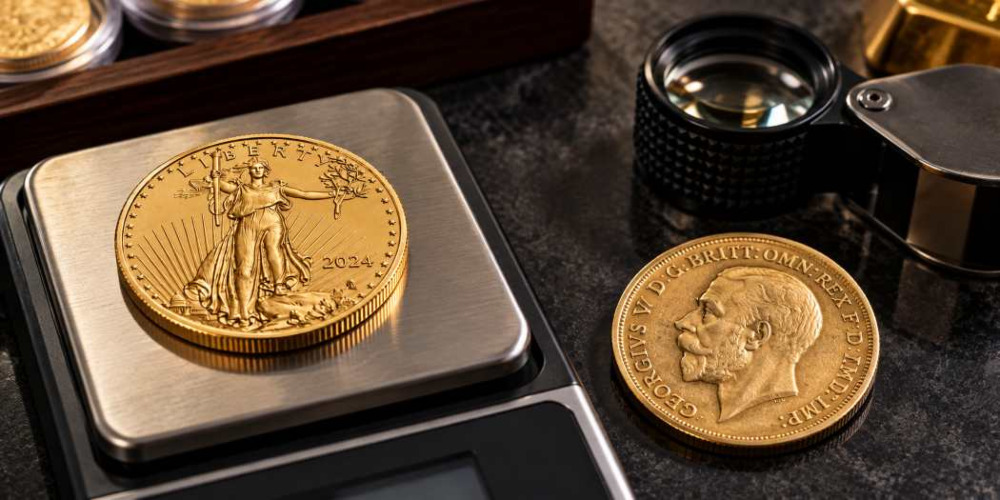
Bullion products—such as American Gold Eagles, Canadian Maple Leafs, or gold bars—are valued based on their weight and purity, with minimal ambiguity. These items are easy to resell, which allows dealers to offer higher percentages of spot price.
Jewelry, by contrast, carries additional variables. While it may have aesthetic or sentimental value, most buyers focus solely on gold content. Stones are typically removed, and craftsmanship is not factored into the payout unless the piece has recognized brand or collectible value.
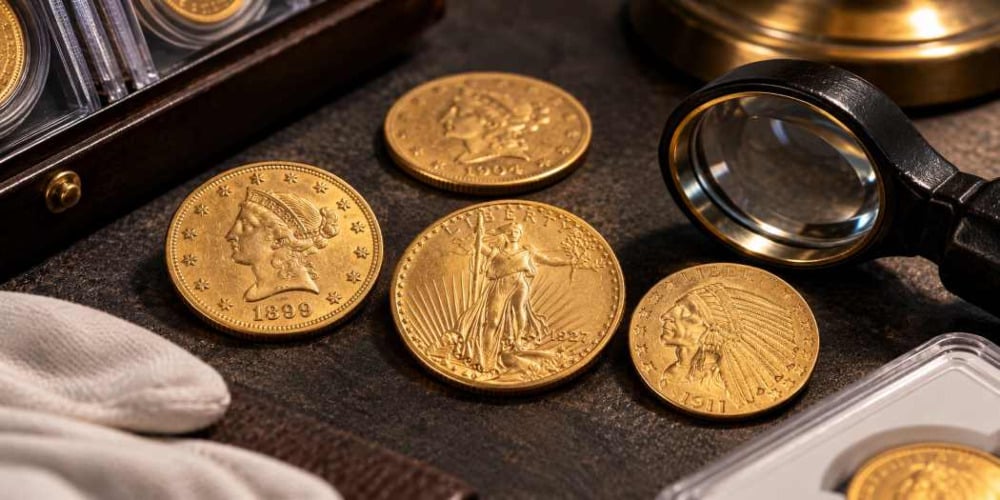
Numismatic coins represent a third category. These items may carry premiums above their gold content due to rarity, condition, or historical significance. In such cases, working with a knowledgeable dealer is critical to ensure accurate valuation.
Understanding which category your items fall into can help set realistic expectations before entering the market.
How NYC Buyers Evaluate Gold Step by Step
When you bring gold into a buyer—especially in the Diamond District—the evaluation process is generally straightforward but precise.
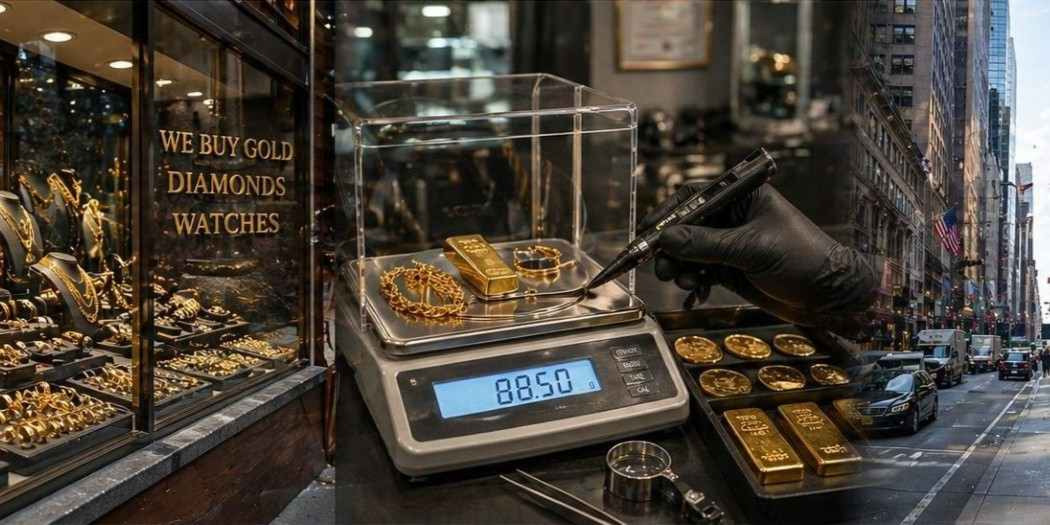
First, the item is tested for purity. This may involve acid testing, electronic testing, or XRF analysis, depending on the dealer’s equipment. Next, the item is weighed using calibrated scales, typically in grams or troy ounces.
The buyer then calculates the melt value based on the current spot price of gold and adjusts for their margin and refining costs. For bullion, this margin is often smaller due to ease of resale. For scrap jewelry, it is typically larger.
Transparency during this process is a strong indicator of a reputable buyer. Dealers who clearly explain how they arrive at their offer are generally more trustworthy than those who provide a flat quote without breakdown.
Price Gaps Between Shops: Why Offers Can Vary Significantly
Even within the same block, offers for the same gold item can differ noticeably.
This variation is driven by several factors. Some buyers operate with higher overhead costs, which they offset by offering lower payouts. Others focus on volume and are willing to accept smaller margins to secure more inventory.
Additionally, some shops may anticipate short-term price movements and adjust their offers accordingly. In a volatile market, this can create discrepancies between buyers who are more risk-averse and those who are more aggressive.
For sellers, the takeaway is simple: never accept the first offer without comparison. Taking the time to visit multiple buyers in NYC can lead to significantly better results.
Institutional Demand and Why Buyers Are Paying More in 2026
One of the underlying drivers supporting strong gold buyback prices in 2026 is continued institutional demand.
Central banks worldwide have been accumulating gold reserves at a steady pace, reinforcing long-term price stability. At the same time, global investment demand—through both physical bullion and ETFs—has remained resilient amid ongoing economic uncertainty.
This broader demand environment filters down to local markets like NYC. Dealers are more willing to pay competitive rates when they know there is strong downstream demand for the metal.
For sellers, this creates a favorable backdrop. Even as retail demand fluctuates, institutional buying helps sustain price levels and supports more attractive offers.
Strategic Timing: When Selling Gold Makes the Most Sense
Timing your sale can make a meaningful difference, particularly in a market as dynamic as gold.
Periods of economic uncertainty, rising inflation, or geopolitical tension often push gold prices higher. Selling during these phases can maximize returns, especially if prices are near recent highs.
However, timing the absolute peak is rarely necessary. Instead, focusing on strong price ranges and market momentum is a more practical approach. Watching daily price movements and understanding broader trends can help inform better decisions.
For NYC sellers, combining strong timing with competitive shop comparisons provides the best opportunity to achieve top value.
Navigating NYC’s Gold Market with Confidence
Selling gold in New York City offers a unique advantage due to the density of buyers and the transparency of pricing in competitive areas like the Diamond District.
The key is preparation. Understanding how gold is priced, knowing the difference between bullion and jewelry, and being aware of current market conditions all contribute to better outcomes.
By approaching the process strategically—comparing offers, asking questions, and choosing reputable dealers—sellers can confidently navigate the market and secure strong payouts.
In a high-price environment supported by global demand, the opportunity to convert gold into cash has rarely been more compelling. The difference lies in how well you understand the market before making the sale.
Related reading you may find interesting:
NYC Pawn Shops vs Bullion Dealers: What's the Difference?