



Understanding Gold Leasing: Central Bank Rates and Market Dynamics
Gold leasing plays a critical role in global financial markets, yet it's often overlooked by retail investors. Central banks, which hold the largest gold reserves, engage in gold leasing as part of their monetary policy and market operations. As interest in gold-backed financial instruments and precious metal trading grows, understanding gold leasing’s dynamics, particularly central bank lease rates, has become more important.
In today’s environment, as inflation pressures continue to affect markets and central banks maintain cautious monetary policy stances, gold leasing has emerged as a key mechanism for liquidity. By providing an in-depth look at the mechanics of gold leasing, the role of central bank lease rates, and how they impact the gold market, this article aims to shed light on this essential yet often opaque part of the precious metals market.
What is Gold Leasing and How Does It Work?
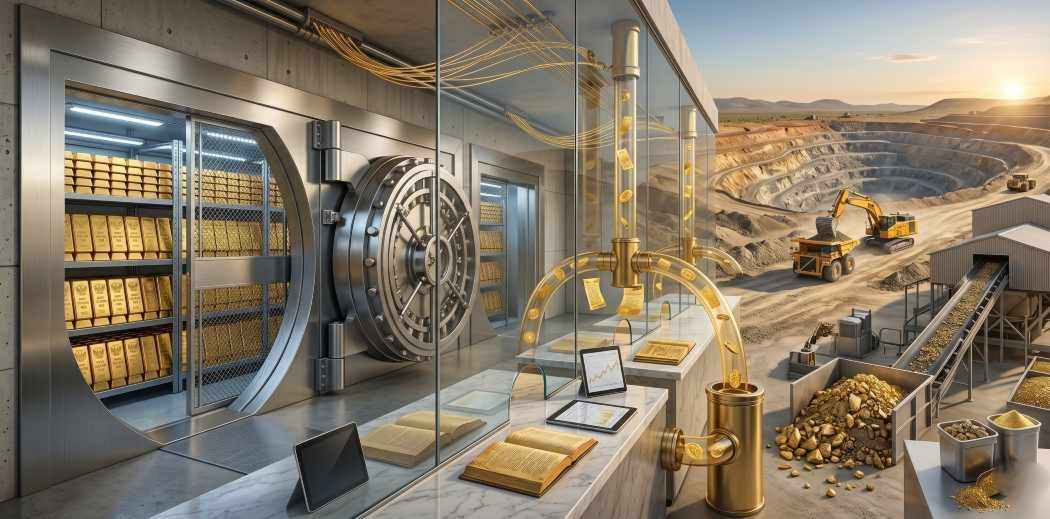
Gold leasing is a financial arrangement where gold owners (often central banks, commercial banks, or bullion holders) lend their gold to borrowers—typically gold mining companies, traders, or other institutions—in exchange for a lease rate, usually paid in cash. The borrower agrees to return the same amount of gold at the end of the lease period, along with interest.
In simpler terms, gold leasing allows central banks and financial institutions to generate income from their gold holdings without selling the physical asset. The borrower, in turn, is able to use the gold for various purposes such as financing mining operations or facilitating trading activity, without needing to own the metal outright.
This practice offers flexibility and liquidity in the gold market, providing borrowers with access to gold and enabling lenders to earn returns on their holdings.
Central Bank Lease Rates: Impact on Gold Prices
Central bank lease rates are a key component of the gold leasing market. These rates are the interest rates charged on gold loans, typically expressed as an annualized percentage. The rates vary depending on several factors, including market demand, the quantity of gold available for lease, and the economic environment.
When central banks are willing to lease out their gold reserves, the lease rates typically reflect the supply and demand dynamics of the gold market. During periods of low rates, the cost of leasing gold is relatively cheap, encouraging more borrowers to enter the market. Conversely, high lease rates can signal a shortage of available gold, which may increase the cost of borrowing and reduce demand.
These lease rates can influence gold spot prices in several ways. When lease rates are low, borrowers can afford to take on more gold loans, which can increase gold supply in the market. This influx of leased gold can pressure gold prices downward, especially in the short term. On the other hand, when lease rates rise, it may signal that gold is becoming scarcer, potentially driving up prices as buyers compete for the limited available supply.
The Role of Central Banks in Gold Leasing
Central banks are key players in the gold leasing market. They hold vast quantities of gold, which they often lease out to generate returns, support financial institutions, or maintain liquidity in the market. As part of their monetary policy, central banks may engage in gold leasing as a tool for managing market stability or achieving their goals for inflation control and economic growth.
While central banks lease gold to earn returns on their holdings, they also use it as a method of controlling the supply of gold in the market. By leasing gold, central banks can influence the balance between supply and demand, affecting gold prices. If central banks are less willing to lease out their gold or reduce their gold lease rates, it can lead to tighter market conditions, potentially supporting higher prices for the metal.
Additionally, the decision to lease gold or retain it can signal a central bank’s confidence in the gold market. When gold leasing activity is high, it may suggest that central banks are comfortable with market liquidity and stability. Conversely, a reduction in leasing activity may indicate that central banks are more cautious about market conditions and wish to hold onto their gold reserves.
Factors Influencing Central Bank Lease Rates
Several factors influence the central bank lease rates, making them a key point of analysis for gold investors. Some of the major drivers include:
1. Inflationary Pressures
When inflation expectations rise, the cost of borrowing gold through leasing tends to increase as demand for the metal grows. Investors often turn to gold as a hedge against inflation, which can increase the demand for leasing gold, driving up lease rates.
2. Interest Rate Policies
The broader interest rate environment, influenced by central bank policies, plays a significant role in determining gold lease rates. If global interest rates are high, the cost of leasing gold becomes relatively more expensive, as borrowers are expected to pay a higher premium to access the metal.
3. Gold Supply and Demand
The supply of and demand for gold in the global market directly impacts the gold leasing rates. A surplus of gold available for lease typically leads to lower lease rates, while a tight supply increases competition and raises rates.
4. Geopolitical Events
Geopolitical tensions, such as wars, trade conflicts, or financial crises, can drive demand for gold as a safe-haven asset. As demand increases, central banks may adjust their leasing policies and raise lease rates to manage market stability.
Gold Leasing vs. Gold Mining: Differences in Financing
While gold leasing provides an avenue for liquidity and income generation, it is distinct from the way gold mining companies finance their operations. Gold mining companies typically finance their activities through equity, debt, or hedging, while central banks engage in leasing to earn interest on their reserves.
Gold miners may also engage in their own leasing practices, borrowing gold from central banks or financial institutions to finance operations. However, unlike central banks, miners must return the gold they borrow, making their operations more directly tied to fluctuations in gold prices and mining costs.
Gold leasing is therefore more beneficial for central banks and financial institutions, as it provides an income stream from idle assets without incurring the same operational risks associated with mining.
Gold Leasing and Its Impact on Investors
For investors in gold, understanding the dynamics of gold leasing is important for several reasons. Lease rates can impact the overall supply of gold, influencing prices. Additionally, fluctuations in lease rates often correlate with broader economic conditions such as inflation, interest rates, and geopolitical risks.
Gold leasing provides liquidity to the market, which can help ensure stable pricing, but it can also lead to increased volatility if demand for leased gold spikes. Investors should keep an eye on central bank activities and the broader economic environment when considering the impact of gold leasing on their investments.
The Future of Gold Leasing
Gold leasing remains a crucial part of the financial system, particularly for central banks and bullion holders looking to generate returns on their gold reserves. By understanding the role of central banks in gold leasing, the factors influencing lease rates, and the broader economic implications, investors can gain valuable insights into the dynamics of the gold market.
As central banks continue to manage their gold reserves, gold leasing will likely remain an essential tool for financial liquidity and price management in the precious metals market. For investors, keeping track of leasing activity and central bank decisions will be key to understanding market movements and making informed investment choices.
FAQs
What is gold leasing?
Gold leasing is when gold owners lend out gold in exchange for lease rates, typically to financial institutions or mining companies.
Why do central banks lease gold?
Central banks lease gold to earn income from their reserves while maintaining control over the metal.
How do central bank lease rates affect gold prices?
When lease rates rise, it indicates tighter supply, potentially driving gold prices higher due to limited availability.
Is gold leasing a risk-free strategy?
No, while it generates returns, it also exposes gold owners to market risks, including fluctuating lease rates and geopolitical risks.
How do gold miners use leasing?
Gold miners may borrow gold to finance operations and pay it back once they’ve mined more gold.
What impact does geopolitical risk have on gold leasing?
Geopolitical events can increase demand for gold as a safe-haven asset, influencing lease rates and market conditions.
How are gold lease rates set?
Lease rates are influenced by gold supply and demand, interest rates, inflation expectations, and geopolitical events.
How do investors benefit from understanding gold leasing?
Investors can use knowledge of gold leasing to anticipate supply changes and price movements in the gold market.
Is gold leasing a good investment strategy?
Gold leasing provides income but also carries risks. Investors should consider it as part of a diversified strategy.
Can gold leasing affect gold ETFs?
Yes, leasing activity can impact the availability of physical gold for ETFs, potentially influencing prices.