


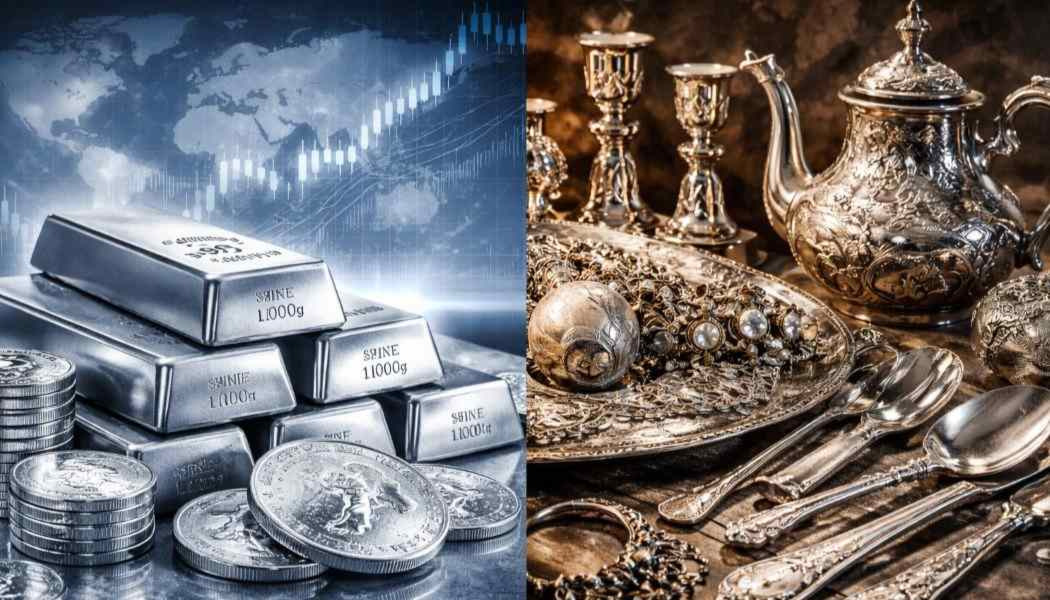
Silver Purity and Value: What Every Buyer Should Understand
When purchasing silver, many investors come across the terms fine silver and sterling silver and assume they offer similar value. In reality, these two forms of silver differ significantly in purity, pricing, and investment potential. For those closely following the silver spot price, understanding these distinctions is essential to making informed decisions. As demand for precious metals investments continues to grow, knowing how silver composition impacts value can help investors avoid costly mistakes and better position their portfolios.
With ongoing volatility in the silver price today and increasing interest in tangible assets, clarity around silver purity has become more important than ever. Fine silver and sterling silver serve different purposes, and recognizing how each fits into the broader silver market trends is critical for both new and experienced investors.
Understanding Fine Silver: The Standard for Bullion Investment
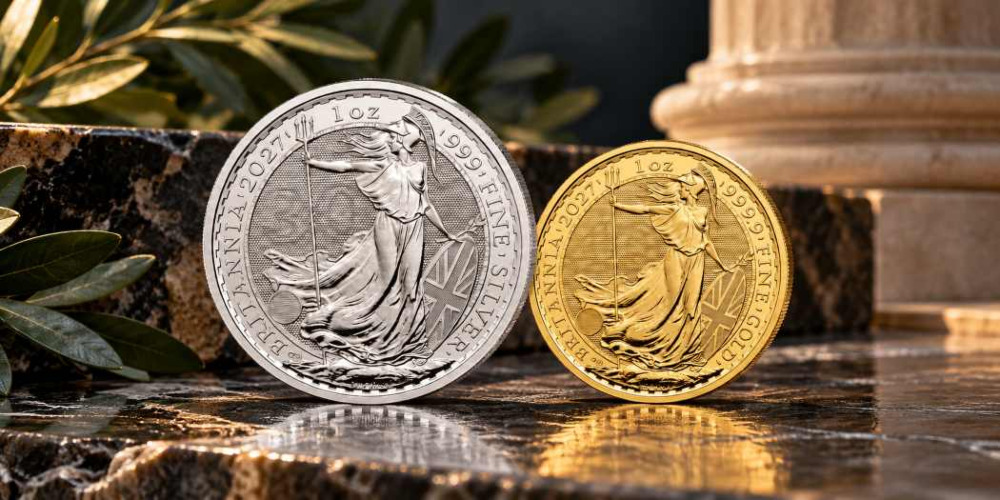
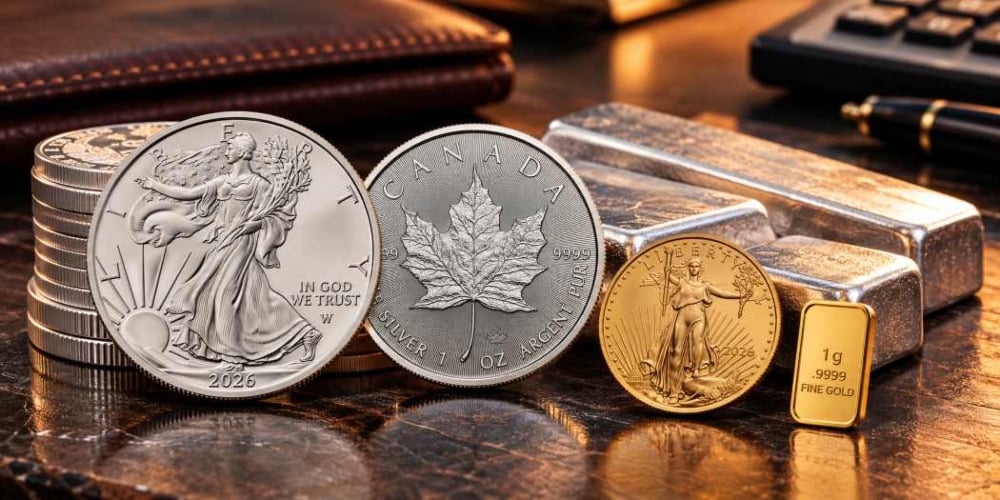
Fine silver refers to silver that is 99.9% pure, commonly stamped as .999 fine silver. This level of purity is considered the benchmark for investment-grade bullion and is used in many of the world’s most recognized silver products. Popular examples include the American Silver Eagle, which is priced directly from the live silver spot price, and the Canadian Silver Maple Leaf, known for its .9999 purity and advanced security features.
Fine silver is commonly found in:
-
Silver bullion coins issued by governments
-
Silver bars and rounds used for investment
-
Products priced directly off the silver spot price
Because fine silver contains minimal alloy metals, it closely reflects the actual spot price of silver, making it highly efficient for investors. Its high purity ensures maximum intrinsic value per ounce, which is why it remains the preferred choice for those focused on wealth preservation and portfolio diversification.
What Is Sterling Silver? A Blend of Silver and Strength
Sterling silver, typically marked .925, contains 92.5% silver and 7.5% other metals, most often copper. This composition has been used for centuries, particularly in jewelry, tableware, and decorative items, due to its enhanced durability and resistance to wear.
Sterling silver is widely appreciated for:
-
Greater strength compared to pure silver
-
Artistic craftsmanship and design value
-
Collectibility, especially in antique pieces
However, because sterling silver contains less pure silver, its intrinsic value does not directly align with the silver spot price. The value of sterling items often depends on craftsmanship, brand, or historical significance rather than raw metal content. As a result, sterling silver behaves differently in the precious metals market compared to fine silver bullion.
Fine Silver vs Sterling Silver: Core Differences Explained
Understanding how these two types of silver compare is essential for evaluating their role in an investment strategy:
-
Purity Level
Fine silver contains 99.9% silver, while sterling silver contains 92.5% silver. -
Investment Suitability
Fine silver is the preferred choice for bullion investors, whereas sterling silver is primarily used for decorative or collectible purposes. -
Price Relationship
Fine silver prices closely track the silver spot price, while sterling silver requires adjustments for lower purity. -
Liquidity
Fine silver bullion is easier to sell at or near market value, while sterling silver may require appraisal or refining. -
Durability
Sterling silver is more durable due to its alloy composition, making it better suited for everyday use.
For investors, purity and direct exposure to the spot price of silver are typically the most important factors.
How the Silver Spot Price Impacts Value
The silver spot price represents the current market value of one ounce of pure silver. Fine silver products are priced directly from this benchmark, usually with a transparent premium based on manufacturing and demand.
Sterling silver, on the other hand:
-
Contains less silver per ounce
-
Requires refining to extract pure silver content
-
Is often purchased below the spot price when sold for melt
Because of these factors, sterling silver does not offer the same pricing clarity or efficiency as fine silver bullion. Investors focused on tracking silver price movements will find fine silver far more aligned with market trends.
Which Type of Silver Is Better for Investment?
For investors seeking exposure to the silver market, fine silver is generally the superior choice. Its high purity, direct link to the silver spot price, and strong liquidity make it ideal for those looking to build or protect wealth through precious metals.
Sterling silver may still appeal to:
-
Collectors interested in antique or designer items
-
Buyers focused on aesthetic or historical value
-
Individuals purchasing silver jewelry rather than bullion
However, for those prioritizing investment performance, price transparency, and ease of resale, fine silver remains the preferred option.
Aligning Silver Purchases With Your Goals
Both fine silver and sterling silver have important roles within the broader precious metals market, but they are designed for different purposes. Fine silver stands out as a reliable investment vehicle closely tied to the live silver spot price, while sterling silver offers value through craftsmanship and everyday usability.
For investors tracking silver price trends and seeking long-term financial security, understanding this distinction is key. By aligning silver purchases with your financial objectives and current market conditions, you can make more confident decisions and maximize the value of your investment portfolio.
FAQs: Fine Silver vs Sterling Silver
What is the difference between fine silver and sterling silver?
Fine silver is 99.9% pure silver, while sterling silver contains 92.5% silver and 7.5% other metals, usually copper, making it less pure but more durable.
Which is better for investing, fine silver or sterling silver?
Fine silver is better for investment because it closely tracks the silver spot price and offers higher intrinsic value and easier resale.
Does sterling silver follow the silver spot price?
Not directly. Sterling silver must be adjusted for its lower purity, so it typically sells below the silver spot price when valued for melt.
Why is fine silver more valuable than sterling silver?
Fine silver contains more pure silver per ounce, giving it higher intrinsic value and a direct link to the live silver spot price.
What does .999 fine silver mean?
.999 fine silver means the metal is 99.9% pure silver, making it the standard for investment-grade bullion products.
What does .925 sterling silver mean?
.925 indicates the item contains 92.5% silver, with the remaining 7.5% made up of other metals for added strength.
Can sterling silver be used as an investment?
While it has value, sterling silver is generally not ideal for investment compared to fine silver due to lower purity and resale complexity.
Why is sterling silver used in jewelry?
Sterling silver is more durable than fine silver, making it better suited for jewelry, utensils, and everyday items.
Is fine silver more expensive than sterling silver?
Yes, fine silver typically costs more per ounce because it contains more pure silver and is priced directly from the silver spot price.
How can I tell if silver is fine or sterling?
Check for markings: .999 indicates fine silver, while .925 indicates sterling silver.
Related reading you may find interesting:
Silver Industrial Demand: Key Drivers & Market Trends in 2026