

Investors Are Rebuilding Defense for a More Fragile Market Cycle
Safe haven assets are receiving renewed attention as investors navigate an environment shaped by inflation pressure, banking-sector uncertainty, geopolitical conflict, recession fears, and currency instability. The traditional flight-to-safety playbook has become more complicated because each defensive asset behaves differently depending on the type of stress facing markets. Gold may respond well to currency debasement and central bank demand, Treasuries may attract capital during recession scares, cash may protect short-term liquidity, and Bitcoin continues to divide investors over whether it is a true hedge or a high-volatility risk asset.
This distinction matters because no single asset protects against every threat. Inflation, banking stress, geopolitical shocks, and market selloffs do not affect portfolios in the same way. A strong safe haven portfolio strategy requires understanding which assets defend purchasing power, which provide liquidity, which carry counterparty risk, and which may weaken during forced selling. In today’s macro environment, investors are not simply asking where to earn returns. They are asking which assets can hold value when confidence in growth, credit, or currency stability begins to weaken.
Gold Remains the Core Monetary Safe Haven
Gold remains the most established safe haven asset because it has a long history as a store of value outside the liability structure of governments, banks, and corporations. Unlike a bond, deposit, or stock, physical gold does not depend on an issuer’s ability to repay. That independence becomes especially important during periods of inflation, currency debasement, geopolitical escalation, or banking instability.
The gold safe haven role is reinforced by central bank behavior. Monetary authorities continue holding gold reserves because bullion is globally recognized, highly liquid, and not issued by another country. When official institutions accumulate gold, it strengthens the metal’s credibility as a reserve asset rather than merely a retail investment product.
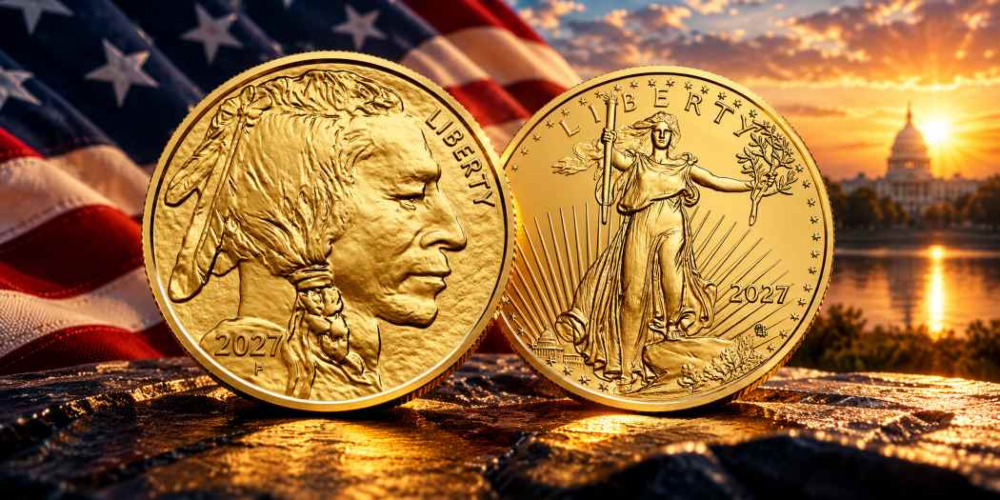
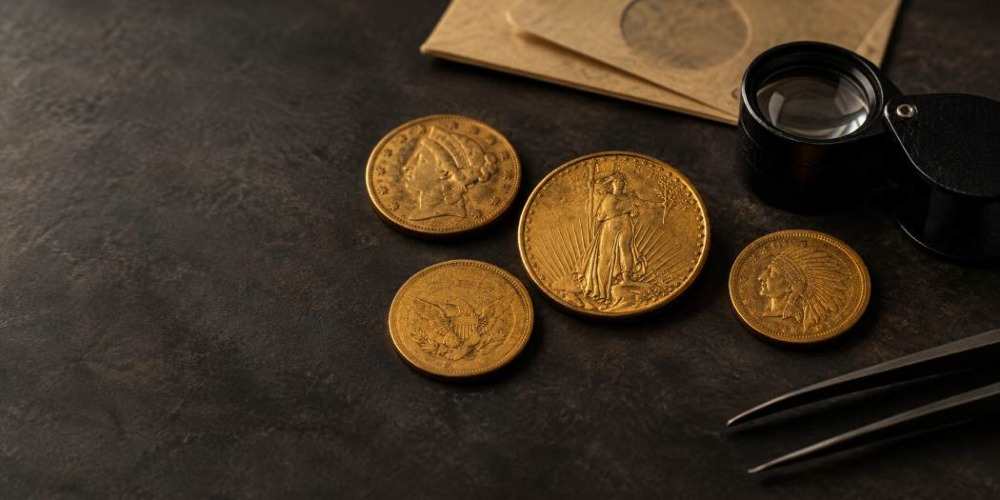
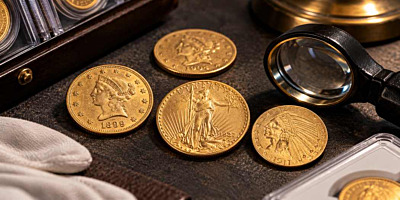
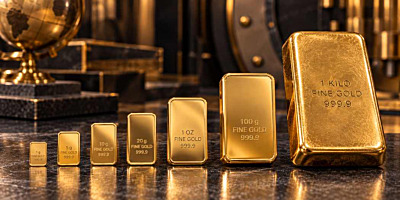
For individual investors, gold can function as both a crisis hedge and a long-term purchasing power tool. Physical coins and bars offer direct ownership, while ETFs and other financial products provide easier trading access. Bullion value is primarily linked to metal content, while numismatic gold coins may carry additional premiums based on rarity, grade, mintage, and collector demand. Investors focused on defensive exposure should understand that distinction before comparing bullion products with collectible coins.
Silver Offers Protection With More Economic Sensitivity
Silver can also serve as a defensive asset, but it behaves differently from gold because it has a larger industrial demand profile. Investors often view silver as a monetary metal during inflationary or currency-risk periods, yet its price is also influenced by solar energy, electronics, electric vehicles, semiconductors, and broader manufacturing activity.
This dual role can make silver more volatile than gold. During inflationary periods with strong industrial demand, silver may outperform because it benefits from both monetary buying and real-world consumption. During recession fears or industrial slowdowns, silver can come under pressure even when gold remains firm.
A silver safe haven investment therefore requires a different expectation. It may provide affordability, upside potential, and exposure to hard assets, but it is not always as stable as gold during severe market stress. For investors building safe haven metals exposure, silver often works best as a complement to gold rather than a direct substitute.
Silver’s lower price per ounce also makes it accessible to smaller buyers. Coins, rounds, and bars allow investors to accumulate tangible metal gradually, though storage space and premiums can become more important than with gold.
Cash Protects Liquidity but Not Purchasing Power
Cash is one of the most practical defensive investment assets during short-term uncertainty. It gives investors flexibility, covers emergencies, and prevents forced selling when markets decline. During recessions or liquidity shocks, cash can become valuable simply because it allows investors to wait, negotiate, and buy assets later at better prices.
However, cash is not a perfect safe haven. Its weakness is inflation. If consumer prices rise faster than interest earned on deposits or money market funds, cash loses purchasing power over time. This makes cash useful for liquidity management but less effective as a long-term inflation hedge.
The best role for cash is strategic, not passive. Investors may hold cash reserves for near-term needs, portfolio flexibility, or opportunistic buying during market declines. But relying entirely on cash during persistent inflation can weaken real wealth. That is why many defensive portfolios combine cash with hard assets, Treasury securities, and precious metals.
Cash also carries banking-system considerations. Deposits may be protected within insurance limits, but large balances can expose investors to institutional and policy risk. For that reason, some investors diversify across cash, Treasury bills, money market funds, and physical assets.
Treasuries Still Anchor Traditional Flight-to-Safety Demand
U.S. Treasury securities remain among the most widely used assets during recession scares and market selloffs because they offer deep liquidity and are backed by the credit of the U.S. government. When investors fear economic contraction or equity-market declines, Treasuries often attract capital because they are considered one of the most liquid defensive instruments in global finance.
The challenge is that Treasuries do not always protect equally well during inflation shocks. If inflation rises and yields move higher, existing bond prices can fall. This was a major lesson from recent market cycles, when traditional stock-and-bond diversification weakened during periods of rising rates.
Treasury bills and short-duration securities can be more resilient in rising-rate environments because they mature quickly and can adjust to higher yields. Longer-duration bonds may perform better if recession fears dominate and yields fall. This makes maturity selection important within safe haven investing.
Treasuries are useful because they provide liquidity, income, and institutional confidence. But they are still financial claims, not hard assets. Investors concerned about currency debasement often pair Treasuries with gold or silver to balance income, liquidity, and purchasing power protection.
Bitcoin Remains the Most Contested Safe Haven Candidate
Bitcoin is increasingly discussed within the safe haven conversation, but its role remains debated. Supporters argue that Bitcoin’s fixed supply, decentralized network, and independence from central bank issuance make it a hedge against currency debasement and sovereign financial risk. Critics point to its volatility, correlation with risk assets, regulatory uncertainty, and sharp drawdowns during liquidity stress.
The Bitcoin safe haven debate is especially relevant in today’s market because institutional adoption has expanded through ETFs, custody platforms, and corporate treasury interest. That adoption may improve liquidity and legitimacy, but it can also tie Bitcoin more closely to broader financial-market cycles. When risk appetite weakens, Bitcoin can sell off alongside growth stocks and other speculative assets.
Bitcoin may function better as a long-term alternative monetary asset than as a short-term crisis hedge. It has potential upside tied to scarcity and adoption, but it does not yet have gold’s long history of stability during geopolitical or banking stress.
For defensive investors, Bitcoin is best viewed as a high-risk satellite allocation rather than a core safe haven. It may complement gold for those seeking digital scarcity, but it should not be assumed to behave like physical bullion during every market shock.
Banking Stress Changes the Meaning of Safety
Banking instability forces investors to think differently about safety. During normal market conditions, yield and convenience often dominate allocation decisions. During bank stress, investors begin asking whether assets depend on deposit flows, lending confidence, financial intermediaries, or counterparty solvency.
Gold becomes more attractive in this environment because directly held bullion sits outside the banking system. Treasury bills may also attract demand because they are backed by the federal government and trade in deep markets. Cash remains necessary for immediate liquidity, but large uninsured deposits can become a concern during periods of institutional stress.
Crypto’s role is more complicated. Bitcoin may appeal to investors seeking assets outside traditional banks, but exchange custody, wallet security, price volatility, and regulatory risk remain significant. The asset itself may be decentralized, but many investors access it through centralized platforms.
A modern defensive strategy must therefore separate asset risk from access risk. What investors own matters, but so does how they hold it.
Inflation Hedge Assets Must Preserve Real Value
Inflation changes the safe haven discussion because nominal stability is not enough. An asset can appear safe in dollar terms while losing real purchasing power. This is why inflation hedge assets differ from pure liquidity assets.
Gold and silver are often used to defend against inflation because they are tangible, scarce, and historically linked to monetary confidence. Real estate, commodities, and select infrastructure assets can also play inflation-sensitive roles, though they may be less liquid than metals.
Cash performs poorly during sustained inflation unless yields keep pace with price growth. Treasuries can help if real yields are attractive, but they may struggle when inflation expectations rise faster than interest income. Bitcoin’s inflation-hedge case depends on long-term adoption and scarcity, but its short-term volatility can undermine defensive reliability.
The strongest inflation protection usually comes from diversification. Investors often combine precious metals, short-duration income instruments, cash reserves, and carefully selected growth assets to balance stability with purchasing power preservation.
Recession Fears Favor Liquidity and Quality
During recession fears, investors often shift toward liquidity, high-quality income, and lower volatility. Cash and short-term Treasuries may become especially valuable because they provide flexibility and reduce exposure to forced selling. Gold may also benefit if recession concerns increase expectations for lower interest rates or renewed monetary easing.
Silver’s performance during recessions can be more mixed. Its monetary appeal may provide support, but weaker industrial demand can weigh on prices. This makes silver more sensitive to whether the downturn is driven by inflation, financial instability, or collapsing growth expectations.
Bitcoin’s recession behavior remains uncertain. It may attract demand from investors concerned about monetary debasement, but it has also shown vulnerability during liquidity-driven selloffs. Because recessions often trigger broad risk reduction, Bitcoin can face pressure when investors prioritize cash and lower volatility.
The best safe haven assets during recession conditions are typically those that preserve liquidity, avoid excessive leverage, and maintain demand even when economic growth slows.
A Strong Defensive Strategy Uses Multiple Layers
The best safe haven assets serve different purposes, which means portfolio construction matters more than selecting one winner. Gold can protect against currency risk and systemic distrust. Silver can add hard-asset exposure with industrial upside. Cash can provide flexibility. Treasuries can offer liquidity and income. Bitcoin may provide digital scarcity and alternative-system exposure, but with greater volatility.
A balanced safe haven portfolio strategy starts by identifying the risks an investor wants to defend against. Inflation risk may call for hard assets. Banking stress may increase interest in physical ownership and Treasury bills. Recession risk may prioritize liquidity. Currency instability may support gold and select alternative stores of value.
No safe haven is perfect. Gold can be volatile, silver can be cyclical, cash can lose purchasing power, bonds can fall when yields rise, and Bitcoin can experience large drawdowns. The goal is not to eliminate risk entirely. The goal is to build a portfolio that can withstand different types of stress without depending on a single outcome.
Defensive Assets Will Remain Central in an Unstable Era
Safe haven investing is becoming more important as financial markets adjust to higher debt levels, geopolitical fragmentation, uncertain inflation paths, and periodic banking stress. Investors are increasingly recognizing that growth assets alone may not provide enough protection during volatile cycles.
Gold remains the clearest monetary safe haven, silver offers a more volatile but accessible hard-asset complement, cash supports short-term flexibility, Treasuries anchor traditional flight-to-quality demand, and Bitcoin continues developing as a debated digital alternative. Each asset has strengths and weaknesses, and each responds differently depending on the source of stress.
For modern investors, the key is not choosing one asset as the universal answer. It is understanding how defensive assets work together to protect liquidity, purchasing power, and confidence when market conditions become unstable.
FAQs
What are safe haven assets?
Safe haven assets are investments that investors use to protect capital during market stress, economic uncertainty, inflation, banking instability, or geopolitical conflict. Common examples include gold, U.S. Treasuries, cash, defensive currencies, and sometimes silver or Bitcoin. These assets may hold value better than riskier investments during certain crises. However, no safe haven works perfectly in every situation, so investors often combine several defensive assets to improve portfolio resilience.
Is gold the best safe haven asset?
Gold is often considered one of the best safe haven assets because it has a long history as a store of value outside the banking and fiat-currency system. It does not depend on a government issuer, corporate earnings, or borrower repayment. Gold often attracts demand during inflation, currency debasement, geopolitical conflict, and financial stress. However, it can still fluctuate, so many investors use it alongside cash, Treasuries, and other defensive assets.
Is silver a safe haven investment?
Silver can be a safe haven investment, but it is usually more volatile than gold because it also depends heavily on industrial demand. Silver may perform well during inflationary periods when investors seek hard assets, especially if manufacturing and solar-sector demand remain strong. During recessions, however, weaker industrial activity can pressure silver prices. Investors often use silver as a complementary safe haven metal rather than a direct replacement for gold.
Why do investors hold cash during market stress?
Investors hold cash during market stress because it provides liquidity, flexibility, and protection from forced selling. Cash allows investors to cover expenses, wait through volatility, and buy assets when prices fall. However, cash can lose purchasing power during inflation if yields fail to keep pace with rising prices. For that reason, cash is useful as a short-term defensive tool but is usually not enough for long-term wealth preservation.
Are Treasuries safe haven assets?
U.S. Treasuries are widely viewed as safe haven assets because they are highly liquid and backed by the credit of the U.S. government. Investors often buy Treasuries during recession fears, equity selloffs, or global risk events. Short-term Treasury bills can provide stability and income, while longer-duration bonds may benefit when yields fall. However, Treasuries can lose value when inflation rises and interest rates move higher.
Is Bitcoin a safe haven asset?
Bitcoin is a debated safe haven asset because it has fixed supply and operates outside traditional central bank issuance, but it remains highly volatile. Supporters view Bitcoin as a hedge against currency debasement and financial-system risk. Critics argue that it often behaves like a risk asset during liquidity stress. Bitcoin may serve as an alternative monetary asset for some investors, but it does not yet offer gold’s long history of defensive performance.
What assets perform best during inflation?
Assets that may perform well during inflation include gold, silver, commodities, inflation-linked securities, real assets, and select cash-flow-producing investments. Gold and silver are often used because they are scarce hard assets with historical monetary roles. Cash may struggle if interest rates do not keep pace with inflation. Treasuries can help when real yields are attractive, but they may face pressure if inflation rises faster than expected.
What assets are useful during a recession?
During a recession, investors often favor cash, short-term Treasuries, high-quality bonds, defensive equities, and gold. Cash provides flexibility, while Treasuries may benefit from flight-to-quality demand and falling yields. Gold can attract safe-haven flows if recession fears increase monetary easing expectations or banking stress. Silver and Bitcoin may be more volatile because they are more sensitive to industrial demand, liquidity conditions, and risk appetite.
How should investors build a safe haven portfolio?
Investors can build a safe haven portfolio by combining assets that protect against different risks rather than relying on one defensive investment. Gold can help with inflation and currency instability, cash supports liquidity, Treasuries provide high-quality income, silver adds hard-asset exposure, and Bitcoin may offer digital scarcity for risk-tolerant investors. The right mix depends on time horizon, risk tolerance, liquidity needs, and the main threats an investor wants to address.