
The Most Expensive Lessons in Coin Collecting Are Often the First Ones
Coin collecting is one of the few hobbies that combines history, art, economics, and investing into a single pursuit. Whether you're searching pocket change, building a set of Morgan Dollars, or collecting modern Mint releases, every coin has a story to tell. It's also a hobby that rewards patience and knowledge far more than impulse buying.
Nearly every experienced collector can point to an early mistake they wish they had avoided. Cleaning a coin, overlooking a tiny mint mark, overpaying for a common date, or storing a collection improperly can reduce both enjoyment and long-term value. The good news is that these are easy mistakes to avoid once you know what to look for.
Here are ten of the most common coin collecting mistakes—and how to avoid them.
1. Cleaning Coins to Make Them Look Better
One of the quickest ways to reduce a coin's collector value is to clean it. While a bright, polished coin may appear more attractive, collectors generally prefer original surfaces, even if they show natural toning or age.
Cleaning often leaves fine hairline scratches, removes original luster, and permanently alters the coin's appearance. Professional grading services can usually identify cleaned coins immediately, and many receive lower values as a result. If a coin appears dirty or tarnished, the safest approach is to leave it exactly as it is.
2. Believing Every Old Coin Is Rare
Age alone does not determine value. Millions of coins from the nineteenth and early twentieth centuries remain available today, while certain modern coins command significant premiums because of low mintages, exceptional condition, or mint errors.
Before assuming a coin is valuable, identify its date, mint mark, denomination, and condition, then compare recent sales of similar examples. Developing that habit early helps collectors distinguish between historical interest and true numismatic rarity.
3. Ignoring Condition When Buying Coins
Two coins with the same date and mint mark can have dramatically different values depending on their condition. Wear, luster, surface preservation, strike quality, and eye appeal all influence what collectors are willing to pay.
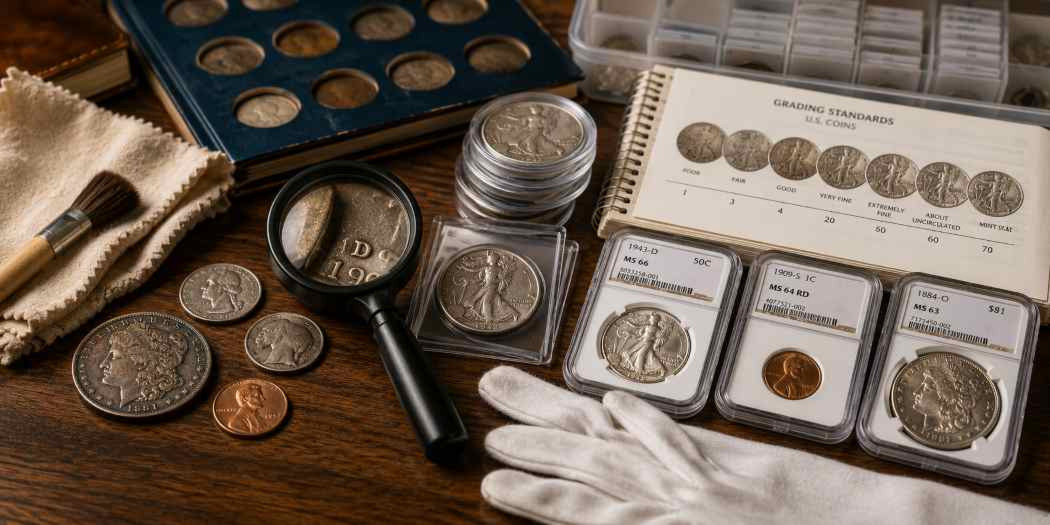
You don't need to become an expert grader overnight, but learning the basics of the Sheldon 1–70 grading scale will make you a much more confident buyer. Even a modest understanding of grading can prevent costly purchasing mistakes and help you recognize better values.
4. Paying Too Much Because of Marketing Hype
Every year, newly released coins, anniversary issues, and limited-edition products generate excitement among collectors. While some become highly sought-after, many others are purchased at inflated prices simply because demand is strongest immediately after release.
Rather than buying based on urgency or advertising alone, take time to research the coin's mintage, historical performance of similar releases, and current market prices. Patience often pays off, and understanding why a coin is desirable is far more valuable than simply owning the latest release.
5. Overlooking the Mint Mark
A tiny letter can make an enormous difference in a coin's value. Mint marks identify where a coin was produced, and for many series, certain mints struck far fewer examples than others.
For instance, Morgan Dollars, Lincoln Cents, and Washington Quarters all include key dates and mint mark combinations that are significantly scarcer than common issues from the same year. Before purchasing or selling a coin, always verify both the date and mint mark. Overlooking that small detail is one of the easiest—and most avoidable—mistakes new collectors make.
6. Storing Coins Without Proper Protection
Even a high-quality coin can lose value if it is stored carelessly. Fingerprints, moisture, PVC damage, excessive humidity, and improper handling can all leave permanent marks that affect both appearance and collector value.
Coins should be handled by their edges whenever possible and stored in archival-quality holders, capsules, or albums designed specifically for numismatic collections. A cool, dry environment helps minimize long-term environmental damage, while proper organization also makes a collection easier to enjoy and inventory. Good storage isn't just about preservation—it protects the time and money invested in building a collection.
7. Confusing Bullion Value with Numismatic Value
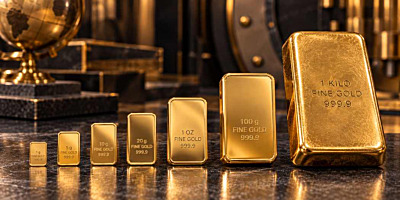
Not every coin is valued for the same reason. Bullion coins derive most of their worth from their precious metal content, while numismatic coins may be worth substantially more because of rarity, condition, historical significance, or collector demand.
A common-date pre-1965 silver quarter, for example, is often purchased primarily for its silver content, whereas a rare key-date Lincoln Cent may contain little intrinsic metal value but command a significant premium because of its scarcity. Understanding whether a coin's value comes from its metal, its collectibility, or a combination of both helps collectors make better purchasing decisions and set realistic expectations.
8. Buying From Unknown Sources Without Research
The internet has made coin collecting more accessible than ever, but it has also made it easier for counterfeit, altered, or overpriced coins to reach unsuspecting buyers. An attractive price alone should never be the deciding factor.
Before making a purchase, spend a few minutes researching the seller. Established coin dealers, reputable auction houses, and well-known online marketplaces with strong customer feedback generally provide greater confidence than anonymous listings. For higher-value coins, consider examples that have been authenticated and graded by trusted third-party services such as PCGS or NGC. Taking the time to verify the seller can be just as important as evaluating the coin itself.
9. Trying to Collect Everything at Once
Many new collectors begin by purchasing any coin that catches their attention. While that enthusiasm is part of the fun, it can quickly lead to an unfocused collection and an exhausted budget.
Experienced collectors often recommend choosing a specific area of interest, whether it's Morgan Dollars, American Silver Eagles, Mercury Dimes, world coins, or a year set. Building a focused collection allows you to learn the history, key dates, grading characteristics, and market values of a particular series while making each new addition more meaningful. As your knowledge grows, expanding into other areas becomes much easier.
10. Forgetting That Enjoyment Comes First
It's easy to become focused on spot prices, rarity, and investment potential, especially when certain coins make headlines for record auction results. Yet the most successful collections are often built around genuine personal interest rather than speculation.
Some collectors enjoy completing date-and-mint sets, while others prefer historic U.S. coinage, ancient coins, world issues, or modern commemoratives. There is no single "correct" way to collect. A collection built around curiosity and appreciation is far more likely to remain rewarding over the long term than one driven solely by the expectation of financial gain.
Knowledge Is the Best Investment a Collector Can Make
Every experienced numismatist remembers making mistakes early in the hobby. Fortunately, most of them are preventable. Learning not to clean coins, understanding the importance of grading and mint marks, recognizing the difference between bullion and numismatic value, and buying from reputable sources all provide a strong foundation for long-term success.
Perhaps the most valuable lesson is that coin collecting is a journey rather than a race. Knowledge develops with every purchase, every book, every coin show, and every conversation with fellow collectors. By taking the time to research before buying and collecting with patience instead of urgency, beginners can avoid many of the common pitfalls while building collections that are both personally meaningful and financially rewarding.
Whether your goal is assembling a classic U.S. coin set, collecting modern bullion issues, or preserving pieces of history for future generations, thoughtful decisions made early will pay dividends throughout your collecting journey.
FAQs
What is the biggest mistake new coin collectors make?
Cleaning coins is one of the most common and costly mistakes beginners make. While a cleaned coin may appear more attractive, cleaning can permanently damage its surface, remove original luster, and significantly reduce its numismatic value. Most experienced collectors recommend leaving coins in their original condition and storing them properly instead.
Should I clean old coins before selling them?
No. Cleaning old coins is generally discouraged because it can lower their collector value. Professional grading services and experienced buyers can usually identify cleaned coins, and many will assign them a lower value than similar examples with original surfaces. If you're unsure about a coin's condition, consult a reputable dealer before attempting any cleaning.
How do I know if my coin is valuable?
A coin's value depends on several factors, including its date, mint mark, condition, rarity, precious metal content, and collector demand. Age alone does not determine value. Comparing recent sales of similar coins and consulting reputable price guides can provide a more accurate estimate of its market value.
Why are mint marks important?
Mint marks identify where a coin was produced, and certain mint locations struck significantly fewer coins than others. A small mint mark can make the difference between a common coin and a key-date rarity worth substantially more. Always check both the date and mint mark when evaluating a coin.
What is the best way to store coins?
Coins should be stored in archival-quality holders, capsules, flips, or albums designed specifically for numismatic preservation. Handle coins only by their edges whenever possible and keep them in a cool, dry environment to reduce exposure to moisture, fingerprints, and environmental damage.
What's the difference between bullion and numismatic coins?
Bullion coins are valued primarily for their precious metal content, while numismatic coins derive value from factors such as rarity, condition, historical significance, and collector demand. Some coins possess both bullion and collectible value, but understanding the difference helps buyers make more informed purchasing decisions.
Should beginners buy certified coins?
Certified coins graded by respected services such as PCGS or NGC provide added confidence regarding authenticity and condition. While certification is not necessary for every purchase, it can be especially helpful when buying more valuable coins or learning how grading affects market value.
Is it better to specialize in one coin series?
Many experienced collectors recommend focusing on one series when starting out. Specializing allows beginners to learn key dates, grading characteristics, market values, and historical background more efficiently before expanding into additional collecting areas.
Where should I buy collectible coins?
Reputable coin dealers, established auction houses, recognized online retailers, and major coin shows are generally considered reliable places to purchase collectible coins. Before buying, research the seller's reputation, customer reviews, and return policies to reduce the risk of purchasing altered or counterfeit pieces.
Can coin collecting be both a hobby and an investment?
Yes. Many collectors enjoy coins for their history, artistry, and educational value while also appreciating their long-term investment potential. Building knowledge first and making informed purchases helps balance personal enjoyment with sound collecting decisions.
Related reading you may find interesting:
Why Classic U.S. Gold Coins Are Making a Comeback
Top 5 Ways to Store Your Bullion Safely
Top 5 Online Bullion Dealers for Gold and Silver Buyers