
The Price of a Gold Coin Is About More Than Gold
Gold prices may dominate financial headlines, but they tell only part of the story when it comes to valuing gold coins. Two coins containing exactly one ounce of gold can sell for dramatically different prices, even when the underlying metal is worth the same amount. In some cases, the difference amounts to a few percentage points. In others, it can reach thousands—or even hundreds of thousands—of dollars above melt value.
Understanding why those premiums exist is essential for anyone entering the precious metals market. Whether purchasing bullion as a hedge against inflation or collecting historic U.S. gold coins, buyers are paying for far more than the intrinsic value of the metal itself. Scarcity, condition, historical importance, collector demand, and even current market sentiment all influence what a gold coin is ultimately worth.
The result is a market where gold provides the foundation for value, but rarity and demand often determine the final price.
Every Gold Coin Begins With Intrinsic Value
At its most basic level, every gold coin has an intrinsic value based on the amount of gold it contains. Often called its melt value, this represents the market value of the precious metal itself and fluctuates alongside the global spot price of gold.
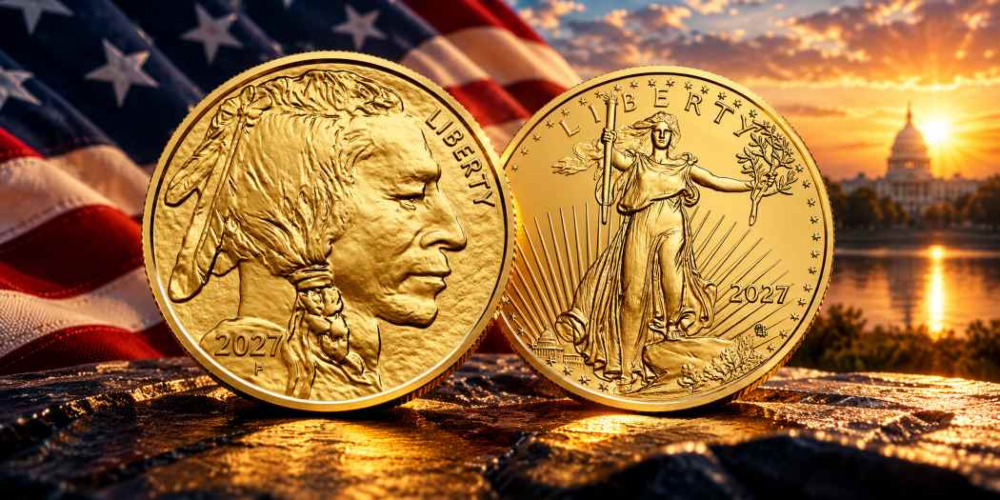
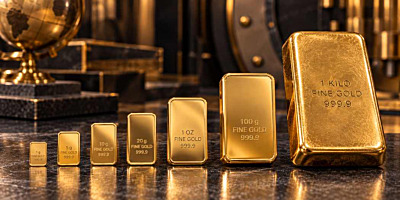
Modern bullion coins such as the American Gold Eagle, Canadian Gold Maple Leaf, South African Krugerrand, and American Gold Buffalo are priced primarily this way. Dealers typically add a premium above the spot price to cover minting costs, distribution, insurance, and market demand, but the gold content remains the primary driver of value.
That relationship changes once a coin becomes collectible.
As rarity, historical significance, or collector demand increase, the intrinsic value of the gold becomes only one component of the overall price. In many cases, the premium attached to the coin can exceed the value of the metal it contains, particularly for pieces that are difficult to obtain or highly sought after by collectors.
Understanding this distinction is the first step in separating bullion investing from numismatic collecting.
Scarcity Alone Does Not Guarantee High Premiums
One of the biggest misconceptions among new collectors is that low mintage automatically creates high value.
In reality, rarity is far more complicated.
The market cares less about how many coins were originally produced than how many desirable examples remain today—and how many collectors are actively competing to own them. A coin with a modest surviving population but limited collector interest may trade only slightly above its gold value. Conversely, a coin with a larger surviving population can command substantial premiums if demand consistently exceeds available supply.
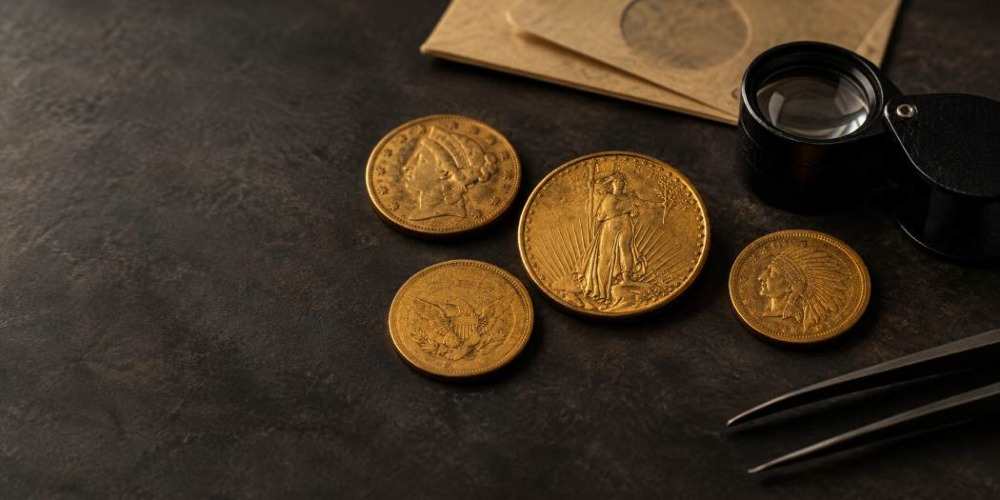
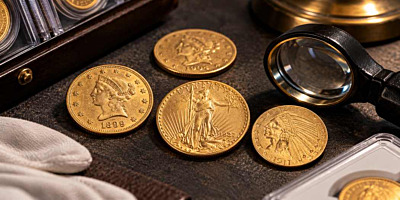
Pre-1933 U.S. gold coins provide an excellent example. Many were melted following changes in U.S. monetary policy during the 1930s, significantly reducing surviving populations. Today, collectors pursue these coins not simply because they are old, but because they represent an important chapter in American monetary history.
Scarcity becomes valuable only when it intersects with demand.
Condition Often Makes the Biggest Difference
For collectible gold coins, condition can influence value just as much as rarity.
Professional grading services such as the Professional Coin Grading Service (PCGS) and Numismatic Guaranty Company (NGC) evaluate coins using standardized grading scales that measure wear, strike quality, luster, surface preservation, and overall eye appeal. Even a single-point difference on the Mint State scale can translate into dramatically different market values.
A coin graded MS65 may sell for several times the price of an otherwise identical example graded MS63 because collectors are competing for exceptionally well-preserved pieces. The finest known examples often command the strongest premiums, particularly when population reports show only a handful of coins achieving the highest certified grades.
Eye appeal also matters. Two coins carrying the same numerical grade may not attract the same price if one exhibits superior luster, cleaner surfaces, or stronger visual presentation. Experienced collectors routinely pay more for coins that simply stand out.
For this reason, grading is not merely about assigning a number. It establishes confidence in authenticity, condition, and relative scarcity within the marketplace.
History Can Add Value That Gold Alone Cannot Explain
Some gold coins command premiums because they represent stories the metal itself cannot tell.
Pre-1933 U.S. gold coins remain especially popular because they circulated during the nation's gold standard era, before federal policy changes in the 1930s removed most gold coinage from everyday use. Many were later melted, making surviving examples appealing to collectors who value both scarcity and historical context.
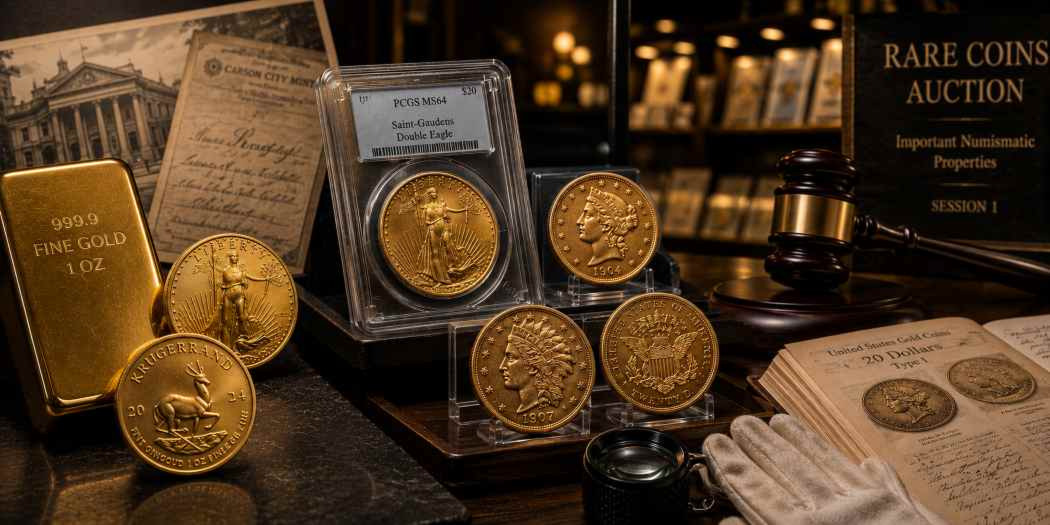
The 1933 Saint-Gaudens Double Eagle shows how far that premium can go. Although it contains less than one ounce of gold, its legal history, rarity, and mystique have made it one of the most valuable coins ever sold. Other coins attract premiums because of artistic importance, branch mint history, famous provenance, or shipwreck recovery.
Collectors are often buying a tangible piece of history, not simply a measured weight of gold.
Even Bullion Coins Carry Different Premiums
Premiums are not limited to rare coins. Modern bullion coins also trade above melt value, and those premiums can shift quickly.
Government-issued coins such as American Gold Eagles, Gold Buffalos, Canadian Maple Leafs, Austrian Philharmonics, and South African Krugerrands often carry higher premiums than generic private rounds because they offer recognized designs, guaranteed specifications, and strong resale liquidity.
Market conditions matter as well. During periods of inflation concern, financial stress, or geopolitical uncertainty, physical gold demand can rise faster than available inventory. Premiums may widen even if spot prices are relatively steady. When demand cools or supply improves, premiums can contract.
That means the final price of a bullion coin reflects both the gold market and the physical product market.
Paying a Higher Premium Is Not Always a Bad Decision
The lowest premium is not always the best choice.
For buyers seeking maximum exposure to gold prices, low-premium bullion often makes sense. But collectible coins are valued differently. Rarity, grade, preservation, historical significance, and collector demand can create appreciation potential that does not depend entirely on spot gold.
A standard bullion coin generally tracks the metal market closely. A carefully chosen numismatic coin may also benefit from long-term collector interest. Many experienced buyers own both, using bullion for direct gold exposure and collectible coins for historical and numismatic value.
The right choice depends on whether the buyer wants metal content, collector appeal, or a balance of both.
Looking Beyond the Gold Content
Every gold coin begins with intrinsic metal value, but that is rarely where its market value ends.
Scarcity, certified condition, artistic merit, historical importance, and collector demand all influence what buyers are willing to pay. That explains why two coins with similar gold content can sell for vastly different prices.
For anyone entering the gold market, understanding premiums is just as important as understanding the gold spot price. Once buyers recognize the difference between bullion value and collectible value, they can choose coins that better match their investment goals, collecting interests, and long-term strategy.
FAQs
Why do some gold coins cost more than their gold value?
Some gold coins sell for more than their melt value because buyers are paying for more than the precious metal they contain. Factors such as rarity, collector demand, certified condition, historical significance, artistic design, and limited availability can all increase a coin's market value beyond its intrinsic gold content.
What is a gold coin premium?
A gold coin premium is the amount paid above the coin's intrinsic gold value. For bullion coins, the premium typically reflects minting costs, distribution, and market demand. For collectible coins, premiums also include rarity, condition, historical importance, and collector interest.
What is the difference between bullion and numismatic gold coins?
Bullion coins are valued primarily for their gold content and generally track the spot price of gold. Numismatic coins derive value from additional factors such as rarity, condition, age, historical significance, and collector demand, which can result in prices far above their melt value.
Does a lower mintage always make a gold coin more valuable?
No. Low mintage alone does not guarantee high value. A coin's premium depends on both its surviving population and collector demand. Some low-mintage coins remain relatively inexpensive, while others with larger surviving populations command high premiums because collectors actively pursue them.
Why does coin grading affect value?
Professional grading provides an independent assessment of a coin's authenticity and condition. Even a one-point difference on the Mint State grading scale can significantly affect value because higher-grade examples are often much scarcer and more desirable to collectors.
Why are pre-1933 U.S. gold coins so popular?
Pre-1933 U.S. gold coins represent an important era in American monetary history before gold coins were removed from circulation. Many were melted after changes in federal gold policy, reducing surviving populations and increasing collector demand for well-preserved examples.
Why do bullion coin premiums change?
Bullion premiums fluctuate based on supply and demand. During periods of strong investor buying or limited mint production, premiums often rise even if the spot price remains stable. When inventories improve and demand slows, premiums typically decline.
Should investors always buy the lowest-premium gold coins?
Not necessarily. Investors seeking maximum exposure to gold prices often prefer low-premium bullion. However, collectors may benefit from paying higher premiums for coins with lasting rarity, historical importance, or exceptional condition. The right choice depends on individual investment objectives and collecting interests.
Related reading you may find interesting:
The Gold-to-Silver Ratio Explained for Modern Investors
Silver Coins as an Inflation Hedge: Fact or Myth?
.999 vs .9999 Gold: Does the Difference Matter?