




Inflation, Debt, and Market Instability Are Reshaping Investor Priorities
Persistent inflation pressures, elevated sovereign debt levels, banking sector instability, and geopolitical uncertainty are forcing investors to rethink how they protect long-term purchasing power. In 2026, capital preservation has become just as important as portfolio growth, particularly as traditional diversification models face increasing strain from synchronized market volatility.
Equities remain vulnerable to rate-sensitive corrections, fiat currencies continue losing purchasing power over time, and global conflicts are increasing pressure on energy, trade, and commodity markets. At the same time, central banks are accumulating gold at historically strong levels while institutional investors continue searching for reliable inflation hedge investments.
This environment has renewed focus on wealth preservation strategies built around hard assets, cash flow resilience, diversification, and long-term stability. Investors are no longer looking solely for maximum returns. Increasingly, the priority is protecting purchasing power through economic cycles while reducing exposure to systemic financial risks.
Gold Continues Anchoring Modern Defensive Portfolios
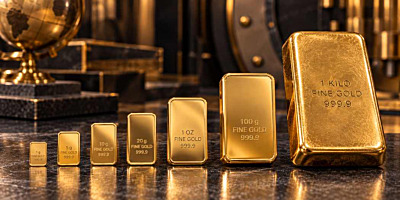
Gold remains one of the most recognized wealth preservation assets because of its historical role during periods of monetary instability and currency debasement. Unlike fiat currencies that can be expanded through monetary policy, gold maintains scarcity through finite global supply and costly extraction.
Central bank demand has become one of the strongest structural forces supporting the gold market in recent years. Nations seeking to diversify reserves away from overdependence on foreign currencies continue adding bullion to their holdings. This institutional accumulation reinforces gold’s position as a long-term store of value.
Retail investors are increasingly following the same path. As inflation continues eroding purchasing power across food, housing, healthcare, and energy sectors, physical bullion has regained importance within diversified portfolios.
Gold for wealth preservation appeals to investors because it historically performs differently than risk-based financial assets. During periods of banking stress, recession fears, or geopolitical escalation, gold often attracts capital seeking stability. While short-term volatility remains possible, gold’s long-term role is tied more closely to monetary confidence than corporate earnings cycles.
Physical bullion ownership also removes certain counterparty risks associated with digital financial products. Coins and bars held directly by investors remain outside traditional banking infrastructure, making them attractive during periods of systemic uncertainty.
Silver’s Industrial Demand Adds a Different Layer of Protection
Silver plays a distinct role within preserving wealth during inflation because it combines monetary history with growing industrial demand. While gold is primarily viewed as a reserve asset and safe haven, silver benefits from both investment demand and manufacturing consumption.
The global transition toward renewable energy infrastructure, electric vehicles, semiconductors, and advanced electronics continues increasing long-term silver demand. Solar panel manufacturing alone remains a major source of structural consumption growth.
At the same time, silver maintains historical relevance as a hard asset during inflationary periods. Its lower price point compared to gold also allows smaller investors to accumulate physical precious metals more gradually.
Supply dynamics further support silver’s long-term positioning. Much of global silver production occurs as a byproduct of mining for other metals, limiting how quickly supply can respond to surging demand. That supply rigidity can amplify silver spot price movements during periods of strong investment inflows.
For investors seeking diversification within hard assets for wealth preservation, silver offers exposure to both defensive monetary demand and industrial growth trends.
Currency Debasement Is Increasing Demand for Tangible Assets
One of the primary drivers behind rising demand for hard assets is growing concern surrounding long-term currency debasement.
Governments worldwide continue operating with elevated debt burdens while central banks balance inflation management against economic growth concerns. Although monetary tightening can slow inflation temporarily, many investors remain skeptical about the long-term purchasing power of fiat currencies.
This skepticism has increased interest in tangible assets that cannot be created digitally through monetary expansion.
Real estate, farmland, energy infrastructure, collectibles, and precious metals are increasingly viewed as stores of value capable of preserving purchasing power over long periods. Among these categories, gold and silver maintain advantages because of their liquidity, portability, and global recognition.
Unlike some alternative assets, precious metals can be bought and sold efficiently across international markets. They also avoid many operational costs associated with property ownership or private business investments.
This liquidity becomes particularly important during economic crises, when investors may require flexible access to capital while maintaining exposure to defensive assets.
Cash Flow Stability Has Become a Core Wealth Protection Tool
Protecting long-term wealth is no longer centered solely around asset accumulation. Increasingly, investors are emphasizing cash flow durability and financial flexibility.
Higher interest rates and economic uncertainty have exposed vulnerabilities within highly leveraged portfolios. Investors reliant on speculative growth or excessive debt have faced sharper financial stress during volatile periods.
As a result, wealth preservation strategies increasingly prioritize stable income streams, manageable debt exposure, and liquidity reserves.
Dividend-producing equities, short-duration fixed-income products, rental income, royalty structures, and cash-flow-generating businesses continue attracting defensive capital. Investors are focusing less on aggressive expansion and more on resilience through changing economic conditions.
Liquidity also plays a crucial role. Maintaining access to cash reserves allows investors to navigate unexpected market disruptions without being forced to liquidate long-term holdings during unfavorable conditions.
This broader focus on financial durability reflects lessons learned from recent banking disruptions, recession concerns, and inflationary cycles.
Portfolio Diversification Is Evolving Beyond Traditional Models
Modern diversification strategies look very different than they did a decade ago.
Traditional portfolio models built primarily around stocks and bonds have faced increasing challenges during periods when both asset classes decline simultaneously. Rising interest rates, inflation shocks, and global uncertainty have reduced the effectiveness of conventional allocation structures.
Today’s safe haven wealth strategy often includes broader exposure across hard assets, commodities, precious metals, defensive equities, cash equivalents, and alternative investments.
Investors are also paying closer attention to correlation risk. Assets once viewed as diversified may now react similarly during periods of systemic stress. This has increased interest in holdings that maintain lower correlation to traditional financial markets.
Gold continues standing out because its value drivers differ substantially from corporate earnings or bond yields. Instead, gold responds more directly to inflation expectations, monetary confidence, real interest rates, and geopolitical uncertainty.
Physical ownership also creates a layer of diversification separate from digital financial infrastructure. For some investors, this independence has become increasingly valuable following periods of banking instability and cyber risk concerns.
Institutional Investors Are Repositioning Around Hard Assets
Institutional positioning has become another major factor influencing wealth preservation trends.
Large asset managers, sovereign wealth funds, and central banks are increasing exposure to commodities and precious metals as part of broader risk management strategies. Gold-backed ETFs continue serving as major channels for institutional participation, while physical bullion demand remains strong among reserve managers.
This institutional activity reinforces broader market confidence in hard assets during uncertain economic conditions.
Commodity exposure has also regained importance because inflationary pressures are often tied directly to resource scarcity and supply chain disruptions. Energy markets, industrial metals, and agricultural commodities have all experienced heightened volatility in recent years.
Investors seeking long-term purchasing power protection increasingly recognize that financial assets alone may not fully hedge against real-world inflationary pressures. Tangible assets tied to physical scarcity often behave differently during periods of currency weakness and economic disruption.
As a result, institutional capital continues supporting long-term demand for defensive commodity exposure.
Generational Wealth Protection Requires Long-Term Thinking
Generational wealth protection depends on maintaining purchasing power across decades rather than chasing short-term market performance.
Inflation compounds slowly but persistently over time, reducing the real value of savings held entirely in cash. Even moderate inflation rates can significantly weaken purchasing power over multi-decade periods.
For that reason, long-term wealth preservation requires balancing growth, stability, liquidity, and inflation resistance.
Precious metals remain valuable within this framework because they have historically retained purchasing power across multiple economic systems, political cycles, and currency regimes. Gold’s role as a monetary asset spans centuries, making it one of the few universally recognized stores of value.
Physical bullion can also provide intergenerational portability. Coins and bars are tangible assets that can be transferred directly across generations without dependence on digital infrastructure or financial institutions.
Numismatic assets may additionally offer collectible value beyond underlying metal content, although investors should distinguish carefully between rarity-driven premiums and bullion pricing.
Economic Uncertainty Is Reinforcing Demand for Defensive Positioning
The modern investment landscape is increasingly shaped by uncertainty rather than predictability.
Inflation pressures, fiscal deficits, geopolitical conflict, banking stress, and shifting monetary policy continue creating unstable market conditions across asset classes. In response, investors are prioritizing resilience, flexibility, and purchasing power protection.
Wealth preservation is no longer viewed as a passive or overly conservative strategy. Instead, it has become an active approach to managing risk while maintaining long-term financial stability.
Gold, silver, hard assets, diversified income streams, and liquidity management all play important roles within modern defensive portfolios. As institutional demand for precious metals remains strong and global economic uncertainty persists, investors are increasingly recognizing the importance of balancing growth potential with capital protection.
In an era defined by inflation concerns and financial instability, preserving purchasing power may ultimately become one of the most important investment objectives of the decade.
FAQs
What is wealth preservation?
Wealth preservation refers to strategies designed to protect long-term purchasing power and reduce financial risk during uncertain economic conditions. Instead of focusing only on aggressive portfolio growth, investors prioritize stability, diversification, and inflation resistance. Common wealth preservation assets include gold, silver, cash reserves, defensive equities, real estate, and other hard assets. The goal is maintaining financial security through inflation, recessions, market volatility, and currency devaluation over time.
Why is gold important for wealth preservation?
Gold is important for wealth preservation because it has historically maintained value during inflationary periods, banking crises, and geopolitical instability. Unlike fiat currencies, gold cannot be created through monetary expansion, which supports its long-term scarcity. Investors often use physical bullion to diversify portfolios and reduce exposure to traditional financial systems. Central bank accumulation and strong global liquidity also reinforce gold’s reputation as a long-term store of value.
How does inflation affect long-term wealth?
Inflation reduces purchasing power by increasing the cost of goods and services over time. Even moderate inflation can significantly weaken the real value of savings held entirely in cash over multiple decades. Investors use inflation hedge investments such as gold, commodities, real estate, and dividend-producing assets to help offset this erosion. Protecting against inflation is critical for maintaining long-term financial stability and preserving generational wealth across changing economic cycles.
Is silver a good inflation hedge investment?
Silver can serve as an inflation hedge investment because it combines monetary demand with industrial consumption. Historically, silver has performed well during periods of currency weakness and rising inflation expectations. Its growing use in solar panels, electronics, and electric vehicle technology also supports long-term demand. While silver is typically more volatile than gold, many investors use it alongside other hard assets to diversify defensive portfolios and preserve purchasing power.
What are the best hard assets for wealth preservation?
Some of the most widely used hard assets for wealth preservation include gold, silver, real estate, farmland, energy infrastructure, and select collectibles. These assets tend to retain intrinsic value because they are tied to physical scarcity and real-world demand. Precious metals remain especially popular because they offer global liquidity, portability, and historical stability during economic uncertainty. Investors often combine multiple hard assets to improve diversification and long-term resilience.
Why are investors concerned about currency debasement?
Investors are concerned about currency debasement because excessive money creation and high government debt levels can weaken purchasing power over time. When fiat currencies lose value, savings held entirely in cash may buy fewer goods and services in the future. This concern often increases demand for tangible assets such as gold, silver, commodities, and real estate. Hard assets are viewed as more resistant to monetary expansion and long-term inflationary pressure.
How do central banks influence gold demand?
Central banks influence gold demand by purchasing bullion as part of national reserve management strategies. Many countries continue increasing gold reserves to diversify away from heavy reliance on foreign currencies and reduce systemic financial risks. Strong central bank buying often supports gold prices and reinforces investor confidence in precious metals. Retail and institutional investors frequently monitor central bank activity when evaluating long-term trends within the gold market.
What role does diversification play in preserving wealth?
Diversification helps preserve wealth by reducing dependence on a single asset class or economic outcome. Investors spread exposure across equities, precious metals, commodities, cash reserves, real estate, and income-producing assets to manage risk more effectively. Modern diversification strategies increasingly focus on correlation risk, especially during periods when stocks and bonds decline simultaneously. Broad asset allocation can improve financial stability and reduce portfolio volatility during uncertain market conditions.
Are physical precious metals safer than digital investments?
Physical precious metals provide direct ownership without reliance on digital platforms, financial intermediaries, or banking infrastructure. Many investors value this independence during periods of cyber risk, banking instability, or financial system stress. However, physical ownership also requires secure storage and insurance considerations. Digital investments may offer convenience and liquidity, but physical bullion remains attractive for investors seeking tangible asset protection and long-term purchasing power preservation.
Related reading you may find interesting:
Safe Haven Assets Explained: Gold, Silver, Cash, and Crypto