
Inflation Doesn't Lift Every Precious Metal
When inflation dominates financial headlines, it's easy to assume that all precious metals should move higher together. History shows otherwise.
Inflation certainly influences investor behavior, but it rarely acts alone. Markets are constantly weighing interest rates, currency movements, industrial demand, mine supply, and geopolitical developments alongside inflation data. Those competing forces explain why one metal may rally while another barely moves, even though both are considered precious metals.
The reason is simple: these metals serve different purposes.
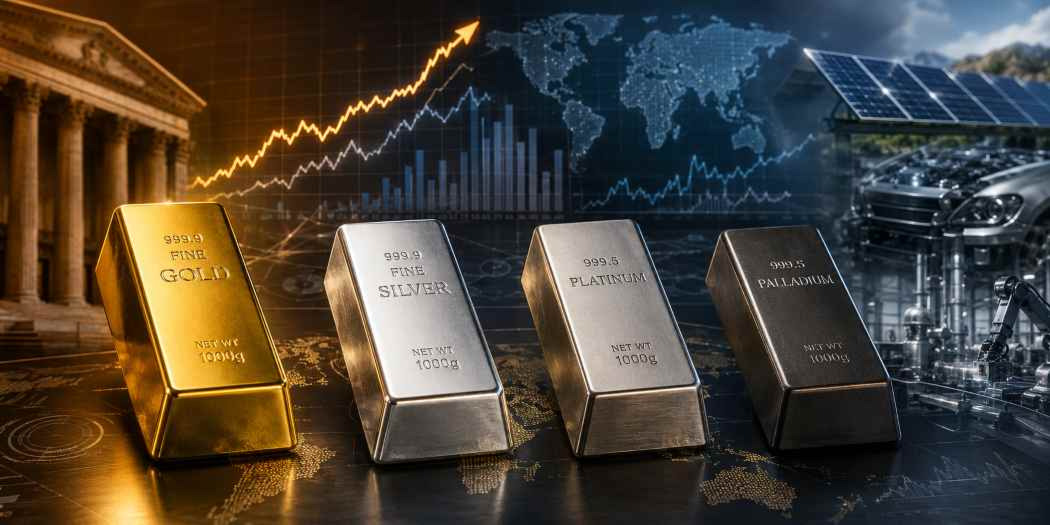
Gold is primarily a financial asset. Silver sits somewhere between a monetary metal and an industrial commodity. Platinum and palladium derive much of their value from manufacturing demand, particularly within the automotive sector. Inflation may provide a common backdrop, but each metal responds through a different lens, which is why their price movements often diverge.
Understanding that distinction is more valuable than trying to predict whether inflation alone will send the entire sector higher.
Gold Responds to Confidence as Much as Consumer Prices
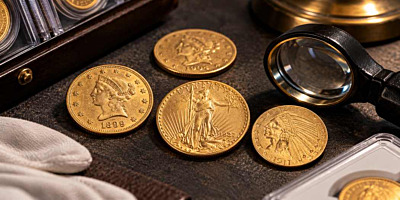
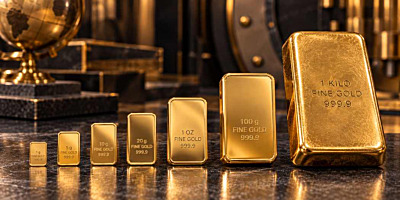
Gold's reputation as an inflation hedge wasn't built overnight. For generations, investors have turned to physical gold when they become concerned about the long-term purchasing power of paper currencies, particularly during periods of persistent inflation or economic uncertainty.
Yet inflation by itself doesn't guarantee higher gold prices.
What matters is how inflation changes expectations. If investors believe rising prices will erode the value of cash faster than policymakers can respond, demand for gold often strengthens. If they expect central banks to counter inflation with aggressive interest-rate increases, the opposite can occur. Higher yields make income-producing assets more attractive, while a stronger U.S. dollar can reduce international demand for gold.
This is why gold sometimes struggles even as inflation remains elevated. The market is often pricing tomorrow's monetary policy rather than today's inflation report.
At the same time, inflation isn't the only reason investors buy gold. Central-bank purchases, geopolitical uncertainty, financial-market volatility, and currency diversification all influence demand, sometimes outweighing inflation altogether. Looking at gold through a single inflation lens often misses the bigger picture.
Silver Lives in Two Different Economies
Silver follows many of the same investment trends as gold, but that's only half of its story.
Unlike gold, silver is also a critical industrial metal. It is used extensively in solar panels, semiconductors, electronics, medical equipment, electrical infrastructure, and a growing number of advanced technologies. That means its price is influenced not only by investor sentiment but also by factory output, manufacturing investment, and long-term industrial demand.
Those two roles don't always point in the same direction. Inflation may encourage investors to buy silver as a store of value, while slowing economic growth can simultaneously weaken industrial consumption. During periods when both investment demand and manufacturing activity are strong, however, silver has the potential to outperform gold by a considerable margin.
That combination makes silver one of the most dynamic metals in the precious-metals market. It can behave like gold during periods of financial stress, yet respond more like an industrial commodity when economic growth becomes the dominant market theme. Investors who understand both sides of silver's personality are often better prepared for the larger price swings that distinguish it from gold.
Platinum and Palladium Follow a Different Playbook
Unlike gold and, to a lesser extent, silver, platinum and palladium are driven primarily by industrial demand. Both metals are essential to automotive catalytic converters that reduce vehicle emissions, while platinum is also finding a growing role in hydrogen technologies, chemical processing, and other industrial applications.
Because these markets are closely tied to manufacturing, inflation often plays a supporting role rather than a leading one. A period of rising consumer prices may have little impact if automobile production slows, industrial demand weakens, or mine supply increases. Conversely, production disruptions in South Africa or Russia—two of the world's largest producers—can send prices sharply higher even when inflation is relatively subdued.
That doesn't mean inflation is irrelevant. Higher energy costs, rising labor expenses, and supply-chain disruptions can all increase production costs for mining companies, influencing long-term supply. Still, platinum and palladium generally respond more directly to industrial fundamentals than to changes in monetary policy or consumer-price data.
Why Interest Rates Often Matter More Than Inflation
One of the biggest misconceptions about precious metals is that inflation alone determines whether prices rise or fall.
In reality, markets spend just as much time anticipating how central banks will respond to inflation as they do analyzing inflation itself.
Imagine inflation begins moving higher. If investors believe the Federal Reserve will leave interest rates unchanged, gold may benefit because the purchasing power of cash continues to erode. If markets instead expect policymakers to raise rates aggressively, the reaction can be very different. Higher interest rates increase the return available on cash, savings accounts, bonds, and other income-producing investments while often strengthening the U.S. dollar. Both developments can reduce demand for precious metals, particularly gold.
This explains why gold occasionally declines even as inflation remains stubbornly high. Investors aren't necessarily reacting to today's inflation reading; they're pricing tomorrow's monetary policy.
Economists often describe this relationship in terms of real interest rates, which represent interest rates after accounting for inflation. When real yields rise, holding non-yielding assets such as gold becomes relatively less attractive. When real yields fall or remain negative, precious metals often become more competitive because the opportunity cost of owning them declines.
That relationship isn't perfect, but it helps explain many of the movements that appear contradictory at first glance. Inflation creates the backdrop, while expectations for interest rates frequently determine the market's immediate direction.
When Inflation Has Historically Been Most Supportive for Precious Metals
Not every inflationary period produces the same investment environment.
Precious metals have often performed best when inflation arrives unexpectedly, when central banks appear slow to respond, or when investors begin questioning the long-term purchasing power of fiat currencies. During those periods, demand for tangible assets tends to strengthen as investors seek portfolio diversification and potential protection against declining currency value.
Other forces can reinforce that trend. A weakening U.S. dollar often makes precious metals more affordable for international buyers, while geopolitical uncertainty may increase demand for traditional safe-haven assets. When several of these factors develop simultaneously, inflation can become part of a broader environment that supports higher precious-metals prices.
By contrast, inflation accompanied by aggressive monetary tightening or slowing industrial activity can produce much more mixed results. That's one reason investors who focus exclusively on headline inflation numbers are often surprised by how differently individual metals perform.
Why Understanding Inflation Makes You a Better Precious Metals Investor
Inflation remains an important reason many investors own precious metals, but it shouldn't be the only consideration.
Gold has historically served as a long-term store of value and monetary asset. Silver combines that investment appeal with significant industrial demand, creating opportunities—and volatility—that differ from gold. Platinum and palladium add further diversification through their close ties to manufacturing, automotive production, and supply dynamics.
Understanding those distinctions allows investors to evaluate precious metals based on the economic forces most likely to influence each market rather than assuming they will all respond identically to inflation.
A diversified precious-metals portfolio recognizes that inflation is only one driver among many. By considering interest rates, industrial demand, currency movements, and broader economic conditions alongside inflation, investors can make more informed decisions and better appreciate the unique role each metal plays within the global market.
FAQs
Does inflation always increase gold prices?
Not necessarily. Gold has historically been viewed as an inflation hedge, but its price is influenced by more than inflation alone. Interest-rate expectations, the strength of the U.S. dollar, central-bank purchases, geopolitical developments, and investor sentiment all play important roles. Gold often performs best when inflation rises faster than interest rates or when investors lose confidence in paper currencies.
Why doesn't silver always move with gold?
Silver shares gold's role as a precious metal, but it is also heavily used in manufacturing. Demand from solar energy, electronics, electrical infrastructure, and medical technology means silver responds to industrial growth as well as investment demand. Because it is influenced by two different markets, silver often experiences larger price swings than gold during both economic expansions and slowdowns.
How do inflation and interest rates affect precious metals?
Inflation and interest rates are closely connected. Rising inflation often increases demand for precious metals, but if central banks respond by raising interest rates aggressively, higher yields can reduce the appeal of non-yielding assets such as gold. For this reason, investors frequently monitor real interest rates—the difference between nominal interest rates and inflation—rather than inflation alone.
Why are platinum and palladium less sensitive to inflation?
Platinum and palladium derive much of their value from industrial demand, particularly the automotive industry. Production trends, emissions regulations, mine supply, and manufacturing activity often have a greater influence on their prices than inflation itself. Inflation can affect mining costs and long-term supply, but it is rarely the primary market driver.
Which precious metal is considered the best inflation hedge?
Gold has traditionally been regarded as the leading inflation hedge because of its long history as a store of value and monetary asset. However, no precious metal responds exclusively to inflation. Silver, platinum, and palladium each react to their own combination of industrial demand, supply conditions, and broader economic trends.
Why do precious metals sometimes fall during periods of high inflation?
Markets often react to expectations rather than current conditions. If investors believe central banks will combat inflation by raising interest rates, higher bond yields and a stronger U.S. dollar can weigh on precious-metals prices despite elevated inflation. This is why inflation alone does not guarantee higher bullion prices.
Should inflation be the only reason to own precious metals?
No. While inflation is an important consideration, many investors also own precious metals for portfolio diversification, wealth preservation, geopolitical uncertainty, and long-term financial stability. Each metal serves a different purpose, making a diversified approach more balanced than relying on a single inflation narrative.
Can a diversified precious-metals portfolio help during inflation?
Many investors choose to diversify across gold, silver, platinum, and palladium because each responds differently to economic conditions. Gold is primarily influenced by monetary factors, silver combines investment and industrial demand, while platinum and palladium are more closely tied to manufacturing. Holding a mix of metals may provide broader exposure to changing market environments.
Related reading you may find interesting:
Silver vs Gold: Could Silver Ever Overtake Gold?
Bought Gold at Costco? Here’s How and Where to Sell It