


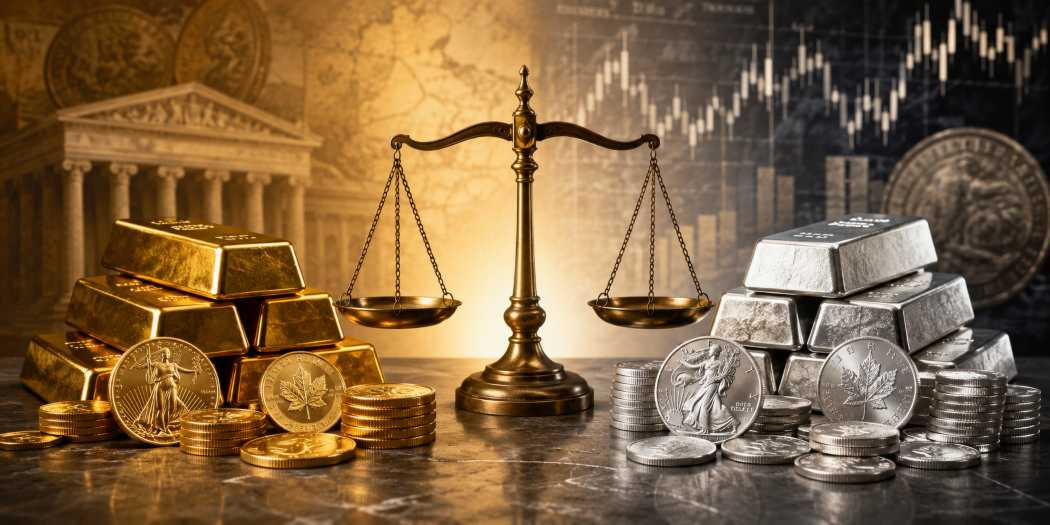
Gold Didn't Become the World's Store of Value by Accident
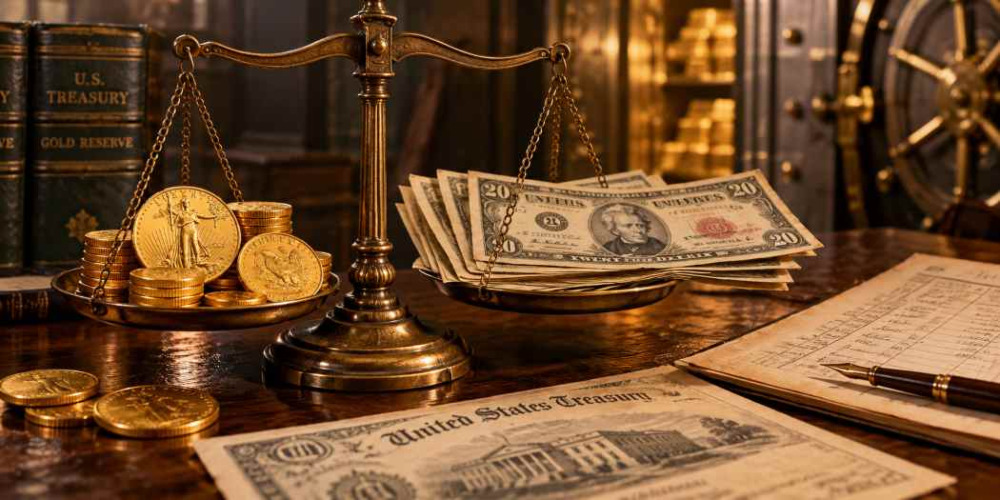
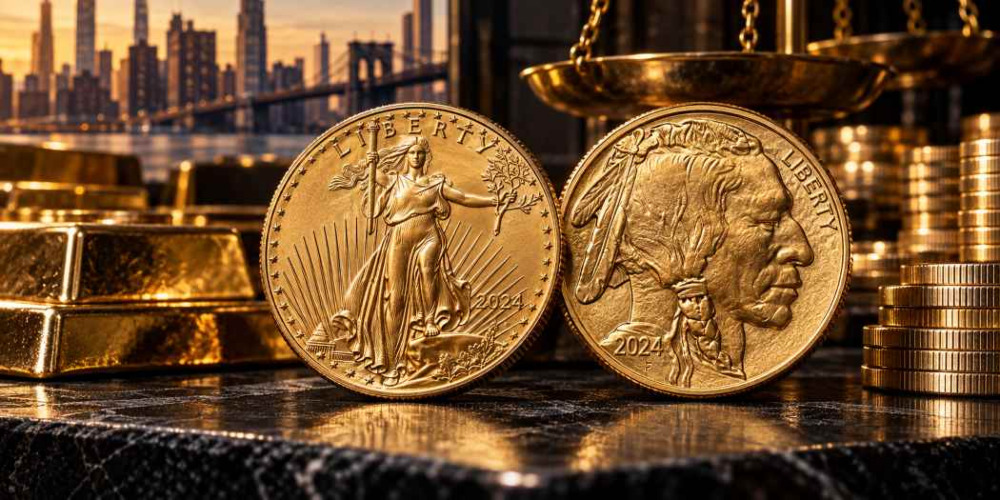
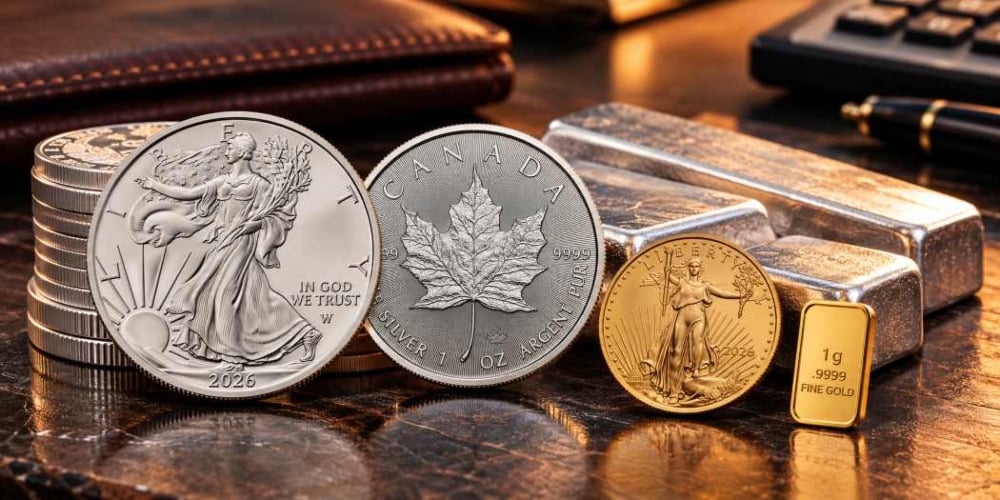
Gold and silver have circulated as money for thousands of years, often side by side. Ancient civilizations minted both metals into coins, merchants accepted them in trade, and governments relied on them to support their economies. Yet as financial systems matured, gold gradually assumed a role that silver never fully matched. It became the preferred reserve asset for kingdoms, central banks, and international commerce, while silver evolved into a metal that balanced monetary value with practical use.
That distinction continues today. Investors frequently compare gold and silver when inflation rises, markets become volatile, or confidence in paper currencies weakens. Silver's affordability and growing industrial demand have even prompted some to ask whether it could eventually replace gold as the world's primary store of value. To answer that question, it's necessary to look beyond recent price performance and understand why history consistently assigned the two metals different roles.
Silver Once Played an Equal Monetary Role
For much of history, silver was the money most people actually used.
Ancient Greece and Rome produced vast quantities of silver coinage to facilitate commerce, while Spain's famous Pieces of Eight became one of the first globally recognized currencies during the Age of Exploration. In the United States, both gold and silver formed the foundation of the nation's early monetary system under bimetallism, with each metal carrying legally defined value.
Silver's popularity reflected its practicality. It possessed meaningful purchasing power without being so valuable that ordinary transactions became difficult. Farmers, merchants, and craftsmen could buy and sell goods efficiently using silver coins, while gold was often reserved for larger commercial or governmental transactions.
As international trade expanded during the nineteenth century, however, the advantages of gold became increasingly apparent. Large sums of wealth could be transported and stored far more efficiently in gold than in silver. Many nations gradually adopted the gold standard, cementing gold's position as the primary monetary reserve while silver's role shifted toward circulation, industry, and investment.
Why Gold Became the Preferred Store of Value
The differences between gold and silver extend well beyond price.
Gold's greatest advantage is its ability to concentrate substantial value into a relatively small amount of physical metal. For governments, financial institutions, and investors preserving significant wealth, that efficiency simplifies transportation, storage, and security.
Its supply characteristics also contribute to its long-term stability. Because relatively little gold is consumed in industrial manufacturing, most of the gold ever mined remains available in bullion, jewelry, or official reserves. That enormous above-ground stock supports deep global liquidity and helps reinforce gold's role as a monetary asset.
Silver follows a different path. In addition to serving investors, it is an essential industrial metal used in solar panels, electronics, medical devices, electric vehicles, and countless modern technologies. Those applications create strong long-term demand but also make silver more responsive to economic expansion and manufacturing cycles.
This difference explains why central banks overwhelmingly hold gold rather than silver. Gold's value is driven primarily by monetary demand and investor confidence, while silver's price reflects both financial sentiment and industrial activity. As a result, silver has historically experienced greater volatility, even during periods when both metals move in the same direction.
Where Silver Holds the Advantage
Although gold remains the benchmark store of value, silver possesses qualities that continue to attract both investors and collectors.
The most obvious is accessibility. A single ounce of silver costs significantly less than an ounce of gold, allowing investors to begin building a precious metals portfolio with a much smaller initial investment. That lower price also makes silver appealing to those who prefer making regular purchases over time rather than investing a larger sum all at once.
Silver has historically delivered greater price swings than gold, a characteristic that can work both for and against investors. During precious metals bull markets, silver often outperforms gold on a percentage basis as investment demand accelerates. The same volatility, however, can lead to sharper declines when economic conditions weaken or investor sentiment shifts.
Industrial demand provides another source of long-term support. Silver plays a vital role in renewable energy, electronics, medical equipment, artificial intelligence infrastructure, and electric vehicles. As these industries continue to expand, industrial consumption may remain an important driver of silver prices alongside traditional investment demand.
Rather than diminishing silver's monetary appeal, this dual role makes it unique among precious metals. Investors gain exposure to both a tangible store of wealth and a metal that benefits from technological innovation and global economic development.
Could Silver Ever Replace Gold?
Silver's growing industrial importance has led some investors to wonder whether it could eventually overtake gold as the world's preferred store of value.
While demand for silver may continue to rise, history suggests the two metals are unlikely to exchange roles. Gold's position extends beyond private investment. Central banks collectively hold thousands of metric tons of gold as official reserves because it is widely recognized, highly liquid, and carries no counterparty risk. Silver no longer occupies that function within the global financial system.
That doesn't mean silver's importance is diminishing. On the contrary, expanding applications in clean energy, advanced manufacturing, and emerging technologies may strengthen its long-term investment case. These trends could narrow the performance gap during certain market cycles, particularly if industrial demand continues to outpace supply.
Even so, stronger demand alone is unlikely to transform silver into the world's primary reserve asset. Gold's monetary status has been reinforced by centuries of institutional ownership, international acceptance, and financial stability—advantages that extend well beyond simple supply and demand.
Why Many Investors Choose Both Metals
For many investors, comparing silver and gold isn't about selecting a winner. It's about understanding the role each metal plays within a diversified portfolio.
Gold has traditionally served as a defensive asset, helping preserve purchasing power during inflation, geopolitical uncertainty, and periods of financial stress. Its relatively stable price behavior and global liquidity continue to make it the preferred choice for wealth preservation over the long term.
Silver offers a different opportunity. Its affordability allows investors to accumulate physical precious metals more gradually, while its industrial applications provide additional growth potential during periods of economic expansion. Although silver typically experiences greater volatility than gold, that same characteristic has historically created opportunities for stronger percentage gains during favorable market conditions.
History demonstrates that gold and silver have never truly competed for the same purpose. Gold evolved into the world's leading store of value, while silver developed into a metal that bridges monetary demand and industrial utility. Rather than replacing one another, they continue to complement each other.
For today's investors, that distinction remains just as relevant as it was centuries ago. Gold provides stability and long-term wealth preservation, while silver offers accessibility, diversification, and exposure to industries shaping the global economy. Together, they form a balanced approach to precious metals investing—one that reflects both the lessons of history and the opportunities of the future.
FAQs
Is silver a good store of value?
Silver has served as a store of value for thousands of years and continues to attract investors seeking tangible assets. While it is generally more volatile than gold because of its industrial uses, silver has historically preserved purchasing power over the long term and remains an important component of many precious metals portfolios.
Why is gold considered a better store of value than silver?
Gold's higher value density, lower volatility, and widespread acceptance by central banks have helped establish it as the world's primary monetary metal. Because relatively little gold is consumed in industry, its value is influenced more by investment demand and monetary conditions than by manufacturing activity.
Has silver ever been used as money?
Yes. Silver circulated as money for thousands of years in civilizations including ancient Greece, Rome, Spain, China, and the United States. It played a central role in global commerce long before modern fiat currencies became dominant.
Why is silver more volatile than gold?
Silver responds to both investment demand and industrial consumption. Because industries such as electronics, solar energy, and electric vehicles require significant amounts of silver, changes in manufacturing activity can have a greater impact on prices than they do with gold.
Do central banks own silver?
Modern central banks primarily hold gold rather than silver as part of their official reserves. Gold's long-standing role in international finance, combined with its liquidity and stability, has made it the preferred reserve asset.
Can silver outperform gold?
Yes. During some precious metals bull markets, silver has delivered larger percentage gains than gold because its smaller market size can amplify price movements. However, silver has also experienced greater declines during periods of weaker economic activity.
Should investors choose gold or silver?
Many investors own both. Gold is often used for long-term wealth preservation and portfolio stability, while silver offers greater affordability and potential upside through both investment and industrial demand.
Will silver ever replace gold?
Although silver remains an important monetary and industrial metal, most analysts believe it is unlikely to replace gold as the world's primary store of value. Gold's centuries-long role as a reserve asset, combined with its widespread institutional ownership and global liquidity, continues to distinguish it from silver.