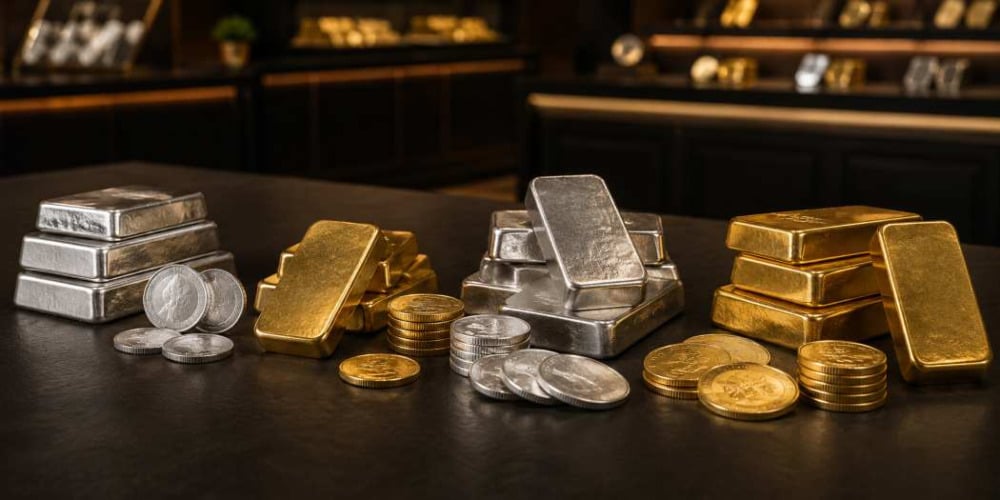




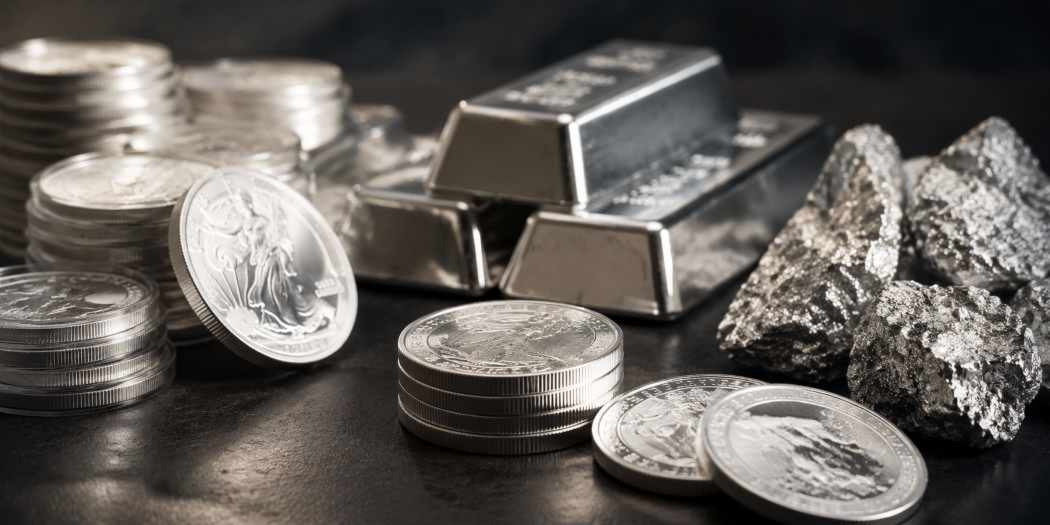
Why Silver Coins Are a Smart Investment Choice in 2026
As 2026 continues, silver coins remain one of the most practical and accessible avenues for both new and experienced investors to gain exposure to tangible precious metals. Unlike gold, silver is highly affordable, making it easier to accumulate meaningful positions while maintaining portfolio diversification. Rising inflation, macroeconomic uncertainty, and continued industrial demand for silver contribute to its ongoing appeal. Investors increasingly recognize coins as a way to combine liquidity, safety, and long-term wealth preservation. Here are the top eight reasons to invest in silver coins this year.
1. Inflation Protection
Silver coins act as a tangible hedge against inflation, preserving purchasing power when fiat currencies lose value. Unlike paper assets, coins cannot be devalued or printed, making them a dependable store of value. Historical performance shows that silver often appreciates during periods of rising consumer prices. In 2026, persistent inflation pressures and energy cost volatility underscore the need for tangible hedges. Coins provide investors with a direct, physical method to protect their wealth against rising living costs, while also offering a liquid and tradeable asset.
2. Portfolio Diversification
Adding silver coins to a portfolio improves diversification, as their price movements are often less correlated with equities and bonds. In times of market volatility, silver provides balance, reducing overall portfolio risk. Investors holding coins can mitigate losses in other asset classes while retaining exposure to precious metals. Diversification with physical silver is especially valuable in 2026, as inflation, rising yields, and geopolitical uncertainty continue to influence financial markets. Coins allow investors to spread risk across tangible assets without relying solely on paper investments.
3. Affordability Compared to Gold
One of silver’s most attractive features is affordability. While gold requires significant capital to acquire meaningful exposure, silver coins allow investors to purchase smaller units at lower cost. This accessibility enables both new investors and seasoned collectors to accumulate bullion incrementally. Affordable pricing also makes silver coins suitable for tactical buying during market dips, enabling investors to optimize entry points. In 2026, price volatility in precious metals markets enhances the strategic value of low-cost silver coins as a means to build exposure gradually.
4. Historical Performance and Reliability
Silver coins have demonstrated resilience across multiple market cycles. During periods of economic uncertainty, financial crises, or inflationary pressures, physical silver has consistently retained value. Past performance during the 2008 financial crisis, the 2013 taper tantrum, and post-2020 inflation spikes underscores coins’ role as a reliable store of wealth. Investors can leverage this historical track record to inform portfolio decisions, using coins as both a safe haven and a medium for long-term appreciation.
5. Industrial Demand Provides Structural Support
Unlike gold, silver is extensively used in industrial applications such as electronics, solar panels, medical devices, and green technologies. This industrial demand establishes a structural floor for prices, ensuring that coins maintain intrinsic value even during periods of speculative selling. By holding silver coins, investors indirectly benefit from scarcity driven by industrial consumption. In 2026, ongoing demand from renewable energy and technology sectors strengthens the case for coins as a durable and strategically supported investment.
6. High Liquidity and Global Recognition
Major silver coins, including American Silver Eagles, Canadian Silver Maple Leafs, Austrian Silver Philharmonics, Silver Britannias, and Mexican Silver Libertads, are recognized globally, ensuring high liquidity. Active markets, tight bid-ask spreads, and established trading platforms allow investors to sell coins efficiently in response to market events. Liquidity is a critical factor in 2026 as investors navigate inflation, interest rate shifts, and geopolitical developments. Coins provide not only tangible ownership but also flexible access to global markets when quick portfolio adjustments are necessary.
7. Collectible and Numismatic Value
Beyond intrinsic metal content, some silver coins carry numismatic value due to rarity, limited mintages, or historical significance. While primarily purchased for investment, coins with collectible features can appreciate independently of silver spot prices. Collectible coins can complement standard bullion, offering additional diversification and potential returns. Investors who consider historical trends, mintage limits, and scarcity can identify coins that provide both investment exposure and potential premium appreciation over time.
8. Market Timing and Strategic Accumulation
Silver coins provide flexibility for strategic accumulation. Investors can capitalize on seasonal cycles, macroeconomic events, or market corrections to optimize purchase timing. Coins are divisible, portable, and easier to acquire in small increments than bars or bulk bullion, enabling incremental exposure without large capital outlays. In 2026, monitoring Federal Reserve announcements, inflation data, and geopolitical developments allows investors to purchase coins opportunistically, enhancing portfolio performance and hedging effectiveness.
Strategic Takeaways for Silver Coin Investors
Silver coins in 2026 offer a compelling combination of inflation protection, diversification, affordability, liquidity, and numismatic appeal. By explicitly integrating coins into investment portfolios, investors can manage risk while maintaining exposure to a historically resilient asset class. Strategic accumulation, attention to market timing, and careful selection of high-recognition coins allow both new and experienced buyers to capitalize on long-term wealth preservation opportunities. Silver coins remain a versatile, actionable, and high-utility option for anyone seeking a tangible, reliable, and affordable precious metals allocation.
FAQs
Why invest in silver coins in 2026?
Investing in silver coins in 2026 provides a tangible way to preserve wealth amid rising inflation and economic uncertainty. Coins combine affordability, liquidity, and historical reliability, making them a practical hedge against fiat currency depreciation. They also offer portfolio diversification by reducing correlation with equities and bonds. With ongoing industrial demand supporting silver prices, physical coins allow both new and experienced investors to secure a tangible asset that can retain value and generate long-term wealth.
Which silver coins are considered the best for investment?
Top investment-grade silver coins include the American Silver Eagle, Canadian Silver Maple Leaf, Austrian Silver Philharmonic, Silver Britannia, and Mexican Silver Libertad. These coins are globally recognized, highly liquid, and trade with consistent premiums, making them ideal for both collectors and bullion investors. Their design, minting standards, and reputation ensure that they are easily sellable worldwide, providing both security and flexibility for investors looking to hold silver for hedging, diversification, or long-term appreciation.
How do silver coins hedge against inflation?
Silver coins serve as a tangible hedge against inflation by holding intrinsic metal value independent of paper currency fluctuations. When inflation erodes purchasing power, coins maintain real-world value, unlike bank deposits or fixed-income assets. Investors often turn to coins during periods of economic uncertainty because they provide both liquidity and security. In 2026, with inflation pressures persisting globally, silver coins offer a proven method to preserve wealth while also serving as a portfolio stabilizer in volatile markets.
Are silver coins affordable compared to gold?
Yes, silver coins are significantly more affordable than gold, allowing investors to build a meaningful position with smaller capital outlays. This accessibility enables gradual accumulation over time and supports tactical buying during market corrections. For new investors, silver coins provide an entry point into the precious metals market without the high cost of gold bullion. Experienced investors can also use silver to diversify portfolios efficiently while maintaining exposure to a tangible, industrially supported metal with long-term growth potential.
Can silver coins improve portfolio diversification?
Absolutely. Silver coins add diversification because their performance often moves independently of equities, bonds, or real estate. By allocating a portion of a portfolio to physical silver, investors can mitigate volatility and reduce overall risk exposure. Coins are particularly valuable during periods of macroeconomic uncertainty or market turbulence. In 2026, as interest rates fluctuate and inflation remains a concern, silver coins help balance portfolios, offering a stable, tangible asset that complements traditional financial instruments and enhances long-term risk-adjusted returns.
Do silver coins have collectible value?
Some silver coins carry collectible or numismatic value beyond their metal content, thanks to limited mintage, historical significance, or unique designs. Investors can benefit from potential premiums when rarity and collector interest increase. While bullion coins primarily track spot silver prices, coins with scarcity or historical importance may appreciate faster during periods of heightened market attention. In 2026, combining standard investment coins with select collectible editions allows investors to capture both intrinsic value and potential numismatic appreciation for portfolio enhancement.
How liquid are silver coins?
Major silver coins are highly liquid and globally recognized, making them easy to buy or sell in most financial markets. Their standardized weight, purity, and reputable mints contribute to quick transactions and tight bid-ask spreads. High liquidity ensures that investors can respond to economic or market shifts efficiently. In 2026, liquidity is especially important for portfolio flexibility, allowing investors to adjust exposure to inflation, interest rates, or geopolitical events while maintaining confidence that coins can be readily converted into cash or other assets.
How does industrial demand affect silver coin value?
Industrial demand underpins silver prices, providing structural support to coins by influencing supply-demand dynamics. Silver is essential in electronics, solar technology, medical devices, and green energy applications, which drives consistent consumption. This industrial use reduces the risk of prolonged price declines and indirectly benefits investors holding physical coins. In 2026, as demand from renewable energy and technology sectors grows, coins gain additional value security, making them not only a financial investment but also a hedge tied to real-world industrial consumption.
Is timing important when buying silver coins?
Yes, timing plays a key role in maximizing returns when buying silver coins. Market factors such as inflation data, Federal Reserve actions, geopolitical events, and seasonal price cycles can create opportunities for strategic accumulation. Coins are divisible and portable, allowing investors to buy in increments when prices dip. In 2026, careful timing enhances cost efficiency, ensuring buyers can enter at favorable levels while balancing exposure to macroeconomic conditions, industrial demand, and potential price swings.
How should investors allocate silver coins in 2026?
Investors should consider silver coins as part of a diversified precious metals allocation alongside gold, platinum, and palladium. The allocation should reflect risk tolerance, liquidity needs, and hedging objectives. Coins provide flexibility for both short-term tactical purchases and long-term wealth preservation. In 2026, with persistent inflation, elevated real yields, and geopolitical uncertainty, a structured allocation to silver coins can enhance portfolio resilience, offering a combination of liquidity, affordability, diversification, and protection against macroeconomic volatility.
Related reading you may find interesting:
Why Tangible Assets Are Making a Comeback in 2026