




Investors Are Looking for Assets They Can Understand and Hold
The renewed interest in tangible assets is not just nostalgia for old-fashioned wealth. It reflects a practical shift in how investors are thinking about risk in 2026. After years of inflation pressure, volatile stock markets, rising debt concerns, and uncertainty around interest rates, many investors are paying closer attention to assets with physical presence, direct utility, or limited supply.
Gold, silver, real estate, farmland, collectibles, art, and rare coins all sit within this broader hard asset conversation. They are different markets, but they share one important trait: their value is not based entirely on a digital claim, quarterly earnings report, or central bank policy expectation. They exist outside the most abstract parts of the financial system.
That matters in a market environment where confidence can change quickly. When investors worry about currency purchasing power, market concentration, bank stability, or long-term inflation, tangible assets often regain attention because they feel less theoretical. They may fluctuate in price, but their appeal comes from something durable: ownership of something real.
The Hard Asset Rotation Is Bigger Than Gold
Gold usually receives the first wave of attention when investors talk about hard assets, and for good reason. Central banks continue to treat gold as a strategic reserve asset, and recent reports show official-sector buyers reassessing not only how much gold they own, but where that gold is stored. That trend reinforces gold’s role as a physical asset tied to trust, sovereignty, and long-term reserve planning.
But the hard asset rotation is wider than bullion. Real estate continues attracting investors who want income-producing property and inflation-linked value. Collectibles have gained traction among buyers seeking scarcity and cultural relevance. Farmland appeals to those focused on food, land, and productive value. Even luxury watches, rare trading cards, vintage cars, and fine art are increasingly discussed as alternative stores of wealth.
The appeal is not identical across categories. A gold bar does not behave like an apartment building, and a rare coin does not trade like a farmland fund. Still, the broader impulse is similar. Investors are looking for assets that do not depend solely on public equity valuations or fixed-income returns.
Inflation Changed the Way Investors View Ownership
Inflation does more than raise prices. It changes investor psychology.
When purchasing power feels stable, financial assets can appear sufficient. Cash, stocks, bonds, and index funds may cover most portfolio needs. But when inflation remains persistent or unpredictable, investors often begin asking a different question: what will still hold value if the dollar buys less tomorrow?
That question has helped tangible assets regain relevance. Gold ownership appeals to investors seeking a long-term store of value. Real estate offers exposure to land, shelter, and rental income. Collectibles can reflect scarcity and emotional demand. Commodities and physical metals provide direct links to real-world production and consumption.
The shift does not mean investors are abandoning traditional markets. Instead, many are adding hard assets as a complement to financial portfolios. The goal is not always maximum return. In many cases, the goal is resilience.
Younger Wealth Is More Open to Alternatives
A major difference in 2026 is generational behavior. Younger high-net-worth investors have shown greater willingness to allocate toward alternative assets, including real estate, crypto, collectibles, and private markets. This does not mean every younger investor is buying gold bars or rare coins, but it does signal a willingness to look beyond the traditional stock-and-bond portfolio.
That openness matters because wealth transfer is reshaping investment demand. As younger generations inherit assets, they are often less attached to conventional allocation models. They may hold cryptocurrency, buy physical gold, invest in real estate, collect luxury items, and still maintain exposure to equities.
This blended approach is part of the tangible asset comeback. Investors are no longer viewing hard assets as old-world holdings. They are increasingly seeing them as part of a modern diversification strategy that combines physical ownership, scarcity, cultural value, and alternative market exposure.
Collectibles Are Turning Scarcity Into a Portfolio Theme
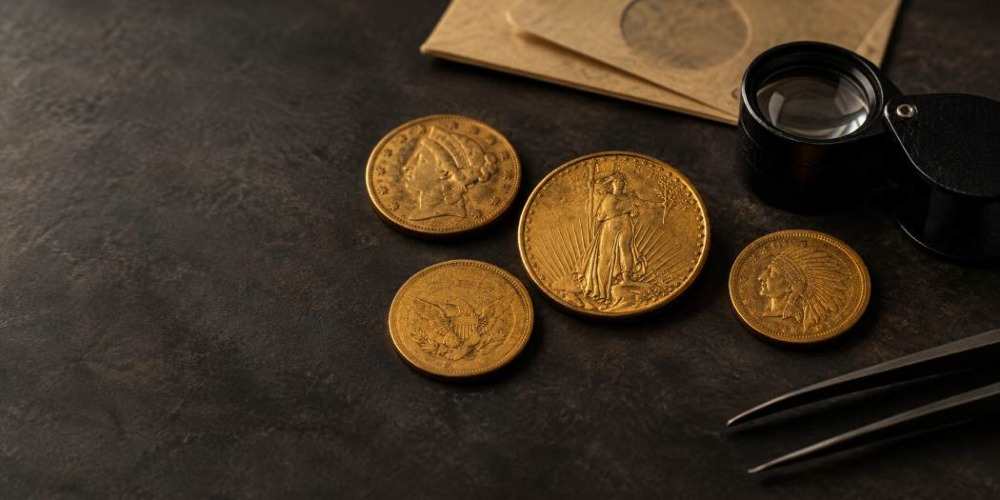
Collectibles have moved from hobby markets into broader wealth conversations. Rare coins, vintage watches, fine art, sports cards, classic cars, and historical memorabilia all benefit from a similar economic principle: limited supply can become valuable when demand broadens.
This does not make every collectible an investment. Condition, authenticity, grading, provenance, storage, and market depth matter enormously. A rare coin with strong historical appeal and third-party certification is very different from a mass-produced item marketed as collectible.
The same distinction exists in precious metals. A bullion coin derives most of its value from metal content, while a numismatic coin may carry additional value from rarity, age, condition, or mintage. Investors who understand that difference can better evaluate whether they are buying metal, history, scarcity, or some combination of all three.
Real Estate Remains the Familiar Hard Asset
Real estate remains one of the most widely understood tangible assets because it combines physical ownership with potential income. Unlike gold or collectibles, property can generate rent, support leverage, and provide utility as shelter or commercial space.
Yet real estate also carries costs that bullion does not. Property taxes, maintenance, insurance, financing, vacancies, and local market conditions all affect returns. Higher borrowing costs can make real estate harder to acquire, while stretched valuations can reduce future upside.
That is one reason gold and silver often appeal to investors who want hard asset exposure without the complexity of property ownership. Physical bullion does not produce income, but it also does not require tenants, repairs, or mortgage refinancing. The contrast shows why tangible assets are best understood as a category rather than a single strategy.
Gold Ownership Fits the New Search for Control
The renewed appeal of gold ownership is tied closely to control. Investors who buy physical bullion are often seeking direct ownership of an asset that is not someone else’s liability. That distinction can become more appealing when confidence in financial institutions, currencies, or policy outcomes weakens.
Gold’s role is not purely emotional. Central bank buying has reinforced its institutional relevance, while ETF demand and interest-rate expectations continue shaping short-term price behavior. Reports from major banks show that gold forecasts remain closely tied to real yields, Federal Reserve policy, and investor inflows, but the physical ownership case extends beyond daily market movements.
For individual investors, gold can serve as a portfolio stabilizer, inflation hedge, crisis asset, or long-term store of value. Its appeal grows when uncertainty feels less like a temporary market event and more like a permanent feature of the investment landscape.
Hard Asset Investing Requires Selectivity
The comeback in tangible assets does not mean every physical asset is attractive at any spot price. In fact, selectivity becomes more important when a theme becomes popular.
Premiums matter in bullion. Location matters in real estate. Authenticity matters in collectibles. Liquidity matters across all categories. Storage, insurance, transaction costs, taxes, and resale markets can meaningfully affect investor outcomes.
This is where education becomes essential. Tangible assets may feel more understandable because they are physical, but they still require careful evaluation. A gold coin, rental property, and vintage watch may all be tangible assets, yet they carry entirely different risks, pricing structures, and buyer bases.
The strongest hard asset strategies usually begin with clarity. Investors should know whether they are seeking preservation, income, appreciation, inflation protection, personal enjoyment, or portfolio diversification.
Where the Tangible Asset Trend Goes Next
The return of tangible assets reflects a deeper change in investor priorities. After years of financial engineering, digital assets, and rapid market cycles, many buyers are rediscovering the appeal of ownership that feels grounded in the real world.
That does not mean physical assets will outperform every year, nor does it mean traditional portfolios are obsolete. The more realistic takeaway is that investors are broadening their definition of diversification. Stocks and bonds still matter, but so do gold, silver, real estate, collectibles, and other hard assets that respond to different forces.
In 2026, tangible assets are making a comeback because investors want more than exposure. They want durability, scarcity, optionality, and control. In a world where confidence can move faster than fundamentals, the value of owning something real is becoming easier to understand.
FAQs
What are tangible assets?
Tangible assets are physical assets with real-world value, such as gold, silver, real estate, farmland, art, rare coins, collectibles, and equipment. Unlike purely financial instruments, they can be held, used, stored, displayed, or directly owned. Their value may come from scarcity, utility, income potential, historical importance, or market demand, depending on the asset type.
Why are tangible assets becoming popular again?
Tangible assets are becoming popular again because investors are seeking stability, diversification, and protection from inflation and market volatility. After years of economic uncertainty, many buyers want assets that feel less dependent on stock market valuations, interest-rate policy, or digital financial systems. Gold, real estate, collectibles, and hard assets offer different forms of ownership and scarcity.
Is gold considered a tangible asset?
Yes, gold is considered a tangible asset because it is a physical store of value that can be directly owned in the form of coins, bars, or jewelry. Gold is also widely recognized as a monetary metal and reserve asset. Investors often use gold for wealth preservation, inflation protection, portfolio diversification, and financial security during uncertain market conditions.
How do tangible assets protect against inflation?
Tangible assets may help protect against inflation because many are linked to real-world scarcity, replacement costs, land value, commodity demand, or purchasing power preservation. Gold and silver can act as stores of value, while real estate may benefit from rising rents and property values. Inflation protection is not guaranteed, but tangible assets often attract demand when currency purchasing power is under pressure.
Are collectibles good investments?
Collectibles can be good investments when they have genuine scarcity, strong demand, verifiable authenticity, and a deep resale market. However, they can also be risky because values depend heavily on condition, grading, trends, provenance, and buyer interest. Rare coins, fine art, watches, and vintage items require specialized knowledge, making research especially important before purchasing.
How is bullion different from collectibles?
Bullion is primarily valued for its precious metal content, while collectibles may carry additional value from rarity, condition, age, design, history, or limited mintage. A gold bar usually tracks the gold spot price closely, while a rare coin may trade far above its metal value. Understanding this distinction helps investors separate metal exposure from numismatic or collectible premiums.
What are examples of hard asset investments?
Examples of hard asset investments include gold, silver, platinum, palladium, real estate, farmland, timberland, energy assets, infrastructure, art, rare coins, classic cars, and collectible watches. These assets vary widely in liquidity, storage needs, income potential, and risk. Some are purchased for wealth preservation, while others are bought for appreciation, utility, or diversification.
Should investors own tangible assets?
Investors may consider tangible assets if they want diversification beyond traditional stocks and bonds. Physical assets can provide exposure to scarcity, inflation protection, real-world utility, and direct ownership. However, they also require careful evaluation of storage, liquidity, transaction costs, authenticity, market demand, and risk tolerance. The best allocation depends on individual goals and portfolio needs.
Why do younger investors like alternative assets?
Younger investors often like alternative assets because they are more open to nontraditional portfolio strategies and may be less attached to classic stock-and-bond allocations. Many are interested in crypto, real estate, collectibles, private markets, and physical assets. This shift reflects changing views on diversification, technology, wealth transfer, inflation, and personal control over investments.
What is the biggest risk of tangible assets?
The biggest risk of tangible assets is that they can be less liquid, harder to value, and more expensive to store or sell than traditional financial assets. Real estate has maintenance and financing costs, collectibles require authentication, and bullion may carry premiums. Investors should understand each market before buying and avoid assuming that physical ownership automatically eliminates risk.
Related reading you may find interesting:
Why Precious Metals Rally During Financial Market Volatility