


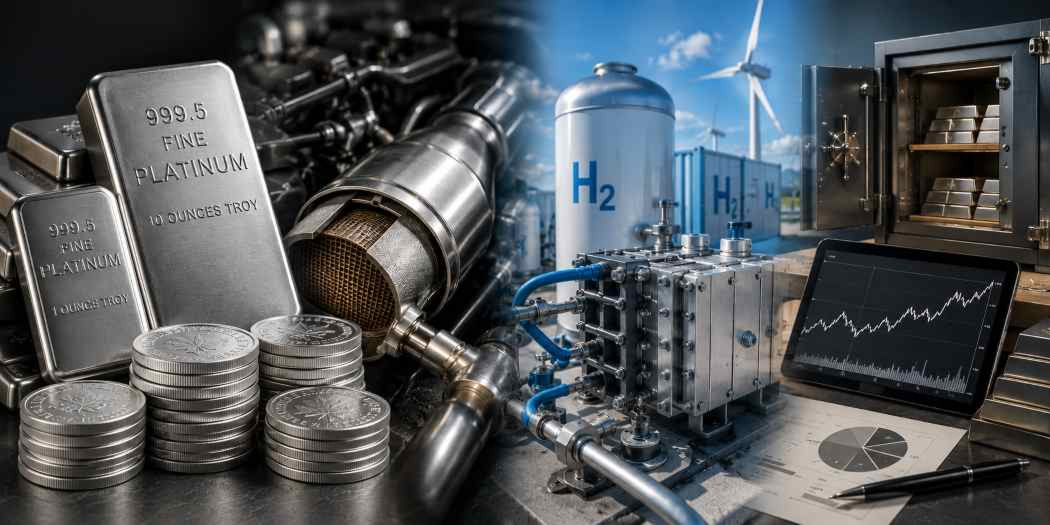
Platinum Is Gaining Attention Beyond Traditional Precious Metals Demand
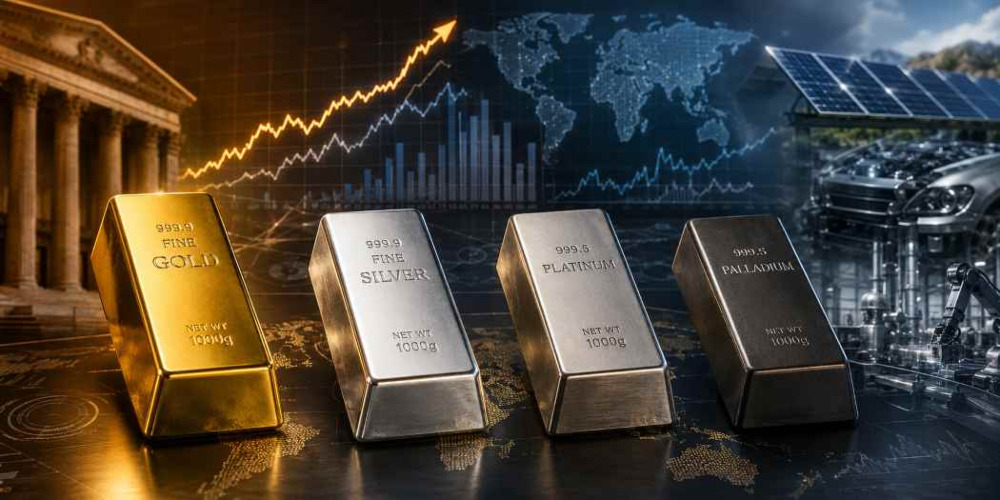
Gold often dominates headlines, while silver attracts investors seeking both monetary and industrial exposure. Yet platinum occupies a unique position that many investors overlook. As one of the rarest precious metals on Earth, platinum combines scarcity, industrial necessity, and investment potential in a way few assets can match.
The metal has attracted renewed attention as supply deficits persist, mining challenges continue, and emerging technologies create new demand opportunities. At the same time, platinum remains priced below gold despite historically trading at a premium for much of the modern era. This unusual combination of scarcity, industrial utility, and relative value has prompted many investors to reconsider platinum coins and bars as part of a diversified precious metals strategy.
For those evaluating physical precious metals beyond gold and silver, several factors help explain why platinum continues gaining attention.
1. Platinum Remains One of the Rarest Major Precious Metals
Scarcity is one of platinum's most compelling investment attributes. Annual platinum mine production is significantly smaller than gold production, and above-ground inventories are also considerably more limited.
Unlike gold, which has been accumulated and stored for centuries, much of the platinum mined throughout history has been consumed in industrial applications. This creates a smaller pool of available metal and can amplify supply pressures when demand increases.
For investors seeking exposure to a genuinely scarce physical asset, platinum's rarity provides a foundation that distinguishes it from many other investment vehicles.
2. Mine Supply Is Highly Concentrated
Platinum production depends heavily on a relatively small number of mining regions. South Africa accounts for the majority of global platinum output, while Russia contributes another meaningful portion of supply.
This concentration creates potential vulnerabilities within the supply chain. Labor disruptions, energy shortages, geopolitical tensions, regulatory changes, and operational challenges can all affect production levels.
When a large percentage of global supply originates from a limited number of sources, unexpected disruptions can have a greater impact on market fundamentals. Many investors view this concentrated production profile as an important factor supporting platinum's long-term value proposition.
3. Platinum Has Historically Traded Above Gold
For much of modern market history, platinum commanded a premium over gold. Investors often viewed platinum as both rarer and more difficult to produce, which contributed to higher valuations.
While market conditions have shifted significantly in recent years, platinum's historical relationship with gold remains noteworthy. Today, platinum trades at a substantial discount to gold despite its rarity and industrial importance.
This pricing relationship has attracted value-oriented investors who believe platinum may offer an opportunity for mean reversion if supply-demand dynamics become more favorable. Although historical premiums do not guarantee future performance, they provide useful context when evaluating relative value.
4. Automotive Demand Continues To Support Consumption
Industrial demand remains one of platinum's defining characteristics. The automotive sector continues to consume significant quantities of platinum for emissions-control technologies used in internal combustion engines and hybrid vehicles.
While electric vehicle adoption has grown rapidly, hybrid vehicles remain an important part of the global transportation landscape. Platinum's role in reducing vehicle emissions continues to support demand across many markets.
This industrial foundation differentiates platinum from precious metals that rely more heavily on investment demand alone. Automotive consumption helps create an additional layer of demand that can influence long-term market dynamics.
5. Hydrogen Technology Could Create New Demand Sources
One of the most closely watched developments in the platinum market involves hydrogen technology.
Platinum plays an important role in certain hydrogen fuel-cell applications because of its catalytic properties. As governments and private industries invest in cleaner energy technologies, hydrogen infrastructure has emerged as a potential growth area.
Although the pace of adoption remains uncertain, many analysts view hydrogen as a possible future demand driver. If fuel-cell technology expands meaningfully over the coming decades, platinum could benefit from an entirely new category of industrial consumption.
For long-term investors, this emerging demand story adds another dimension to platinum's investment thesis.
6. Platinum Offers Portfolio Diversification Beyond Gold and Silver
Diversification remains a central principle of investing, and platinum provides exposure to market forces that differ from those influencing gold and silver.
Gold is often driven by monetary policy, central bank activity, inflation expectations, and safe-haven demand. Silver responds to many of those same factors while also reflecting industrial trends. Platinum introduces additional influences tied to automotive manufacturing, industrial catalysts, and emerging technologies.
Because platinum often behaves differently than other precious metals, it can provide valuable diversification within a broader hard-asset portfolio.
7. Supply Deficits Continue To Influence Market Fundamentals
Recent platinum market reports have highlighted ongoing supply deficits, with demand exceeding available supply in several periods.
These deficits can emerge from a combination of factors, including constrained mine production, industrial demand growth, and limited secondary supply from recycling. While deficits alone do not guarantee higher prices, they can strengthen long-term market fundamentals.
Investors frequently monitor supply-demand balances because sustained deficits may eventually require higher prices to encourage additional production or reduce consumption.
As a result, platinum's supply outlook remains an important component of the investment case.
8. Platinum Coins and Bars Provide Direct Physical Ownership
Physical platinum ownership offers many of the same benefits that attract investors to gold and silver bullion.
Coins and bars provide direct exposure to the underlying metal without reliance on corporate earnings, management teams, or financial intermediaries. Investors can hold a tangible asset whose value is linked to global supply and demand fundamentals.
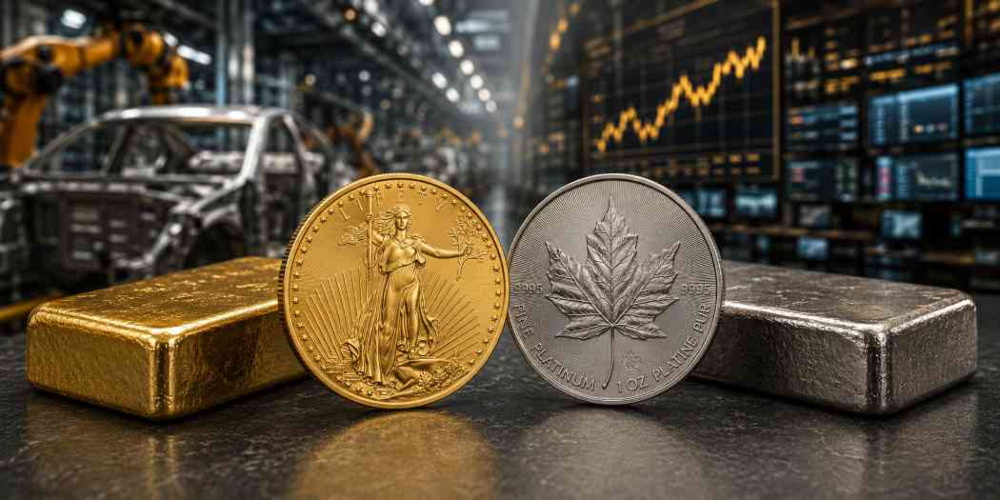
Popular products such as the American Platinum Eagle, Canadian Platinum Maple Leaf, and various platinum bars allow investors to gain exposure through recognizable bullion products backed by respected mints and refiners.
For individuals seeking hard assets outside traditional financial markets, physical platinum remains an attractive option.
9. Growing Investor Interest Is Expanding the Market
Platinum has historically received less attention than gold and silver, but that dynamic has begun to shift.
As investors search for alternative opportunities within the precious metals sector, platinum has benefited from increased awareness. Rising media coverage, stronger institutional interest, and growing recognition of supply constraints have all contributed to greater market visibility.
This increased attention does not necessarily guarantee future price appreciation, but it has helped introduce platinum to a broader audience of investors who previously focused primarily on gold and silver.
Market participation often influences liquidity, demand, and long-term investment interest.
10. Platinum's Risk-Reward Profile Appeals to Contrarian Investors
Many successful investors seek opportunities where market sentiment may not fully reflect underlying fundamentals. Platinum often appeals to this type of investor.
Despite its rarity, industrial importance, and supply challenges, platinum remains less widely followed than many other investment assets. This relative lack of attention can create opportunities for investors willing to evaluate long-term trends rather than short-term headlines.
Platinum also tends to experience greater volatility than gold, creating both risks and opportunities. For investors with a long-term perspective, that volatility may present attractive entry points during periods of market weakness.
Why Platinum's Investment Story May Be Entering a New Phase
Platinum occupies a unique position at the intersection of precious metals investing and industrial demand. Its rarity, concentrated supply profile, automotive applications, and potential role in hydrogen technology create a combination of drivers that few other metals can match.
As global industries continue evolving and supply challenges remain a recurring theme, platinum may increasingly attract investors looking beyond traditional precious metals allocations. Whether viewed as a diversification tool, a scarcity play, or a long-term industrial demand story, platinum coins and bars continue offering characteristics that distinguish them from many other investment assets.
For investors willing to explore opportunities beyond gold and silver, platinum's evolving market dynamics may make it one of the most intriguing precious metals to watch in the years ahead.
FAQs
Are platinum coins and bars a good investment?
Platinum coins and bars can be a good investment for buyers seeking physical precious metals exposure beyond gold and silver. Platinum is rare, industrially important, and influenced by supply deficits, automotive demand, and emerging hydrogen technologies. However, platinum can be more volatile and less liquid than gold, so investors should consider their goals, time horizon, and portfolio allocation before buying.
Why buy platinum instead of gold?
Some investors buy platinum instead of gold because platinum is rarer, has significant industrial demand, and has historically traded above gold during certain market cycles. Today, platinum often trades at a discount to gold, which may appeal to value-focused investors. Gold remains more liquid and widely recognized, but platinum offers a different risk-reward profile tied to scarcity and industrial usage.
What is the difference between platinum coins and platinum bars?
Platinum coins are typically government-issued bullion products with legal tender status, recognizable designs, and strong collector familiarity. Platinum bars are usually produced by private or sovereign refiners and may offer lower premiums per ounce. Coins can be easier to recognize and resell, while bars may appeal to investors focused on accumulating platinum as efficiently as possible.
Why is platinum considered rare?
Platinum is considered rare because annual mine production is much smaller than gold production, and supply is concentrated in a few regions, especially South Africa and Russia. Much of the platinum mined is also used in industrial applications rather than stored as investment inventory. This limited supply base can make platinum more sensitive to mining disruptions and demand changes.
How does automotive demand affect platinum prices?
Automotive demand affects platinum prices because the metal is used in catalytic converters and emissions-control systems, especially in diesel and hybrid vehicles. When auto production rises or emissions regulations tighten, platinum demand can increase. However, changes in vehicle technology, electric vehicle adoption, and substitution between platinum and palladium can also influence the metal’s long-term demand outlook.
Could hydrogen technology increase platinum demand?
Hydrogen technology could increase platinum demand because platinum is used as a catalyst in certain fuel cells and electrolyzers. If hydrogen infrastructure expands significantly, platinum may benefit from new industrial consumption beyond traditional automotive and jewelry uses. The pace of adoption remains uncertain, but many investors view hydrogen as an important long-term demand opportunity for platinum.
Are platinum bars more affordable than platinum coins?
Platinum bars are often more cost-efficient than platinum coins because they may carry lower premiums over spot price. Coins can cost more due to minting, design, legal tender status, and collector demand. Investors focused mainly on metal weight may prefer bars, while buyers who value recognition, liquidity, and sovereign mint backing may prefer coins.
Is platinum more volatile than gold?
Platinum is generally more volatile than gold because its market is smaller and more heavily influenced by industrial demand. Gold is primarily driven by monetary policy, central bank activity, safe-haven demand, and currency trends. Platinum responds to those factors too, but also reacts strongly to automotive production, mining supply, and industrial technology shifts.
What are popular platinum bullion products?
Popular platinum bullion products include the American Platinum Eagle, Canadian Platinum Maple Leaf, Australian Platinum Kangaroo, and platinum bars from respected refiners. Investors often look for products with recognized purity, trusted minting, and strong resale demand. Choosing well-known products can improve liquidity and make it easier to compare premiums when buying or selling.
What should investors consider before buying platinum?
Investors should consider platinum’s spot price, product premiums, liquidity, storage, volatility, and long-term demand drivers before buying. Platinum can offer diversification and upside potential, but it may not be as widely traded as gold or silver. Buyers should also compare coins versus bars, understand premiums, and decide whether they want investment efficiency, collectibility, or both.
Related reading you may find interesting:
Buy Gold Today: 3 Compelling Reasons Investors Watch Gold
Platinum vs Palladium: Which Metal Fits Your Portfolio?