


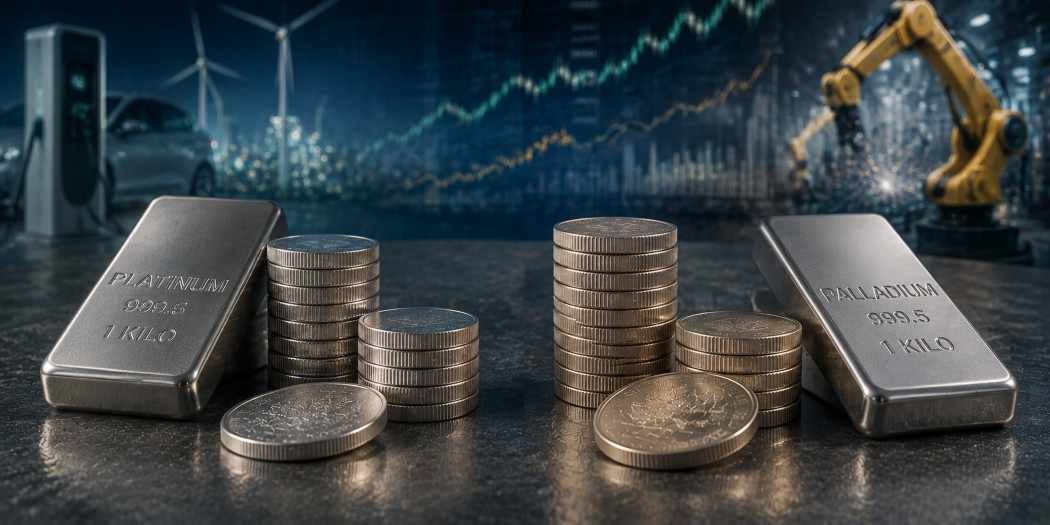
Why Investors Are Reconsidering Platinum vs Palladium in 2026
In a precious metals landscape defined by tightening supply chains, shifting industrial demand, and evolving automotive technology, the debate between platinum vs palladium has taken on fresh urgency in 2026. Once dominated by palladium’s dramatic outperformance, the platinum group metals (PGMs) have seen both prices and fundamentals shift materially as electric vehicle adoption, hydrogen ambitions, and supply constraints reshape demand. Understanding how these two rare metals compare isn’t just academic — it’s crucial for investors allocating capital amid macro volatility, inflation pressures, and structural industrial trends.
Divergent Price Paths and Industrial Drivers
The platinum and palladium markets have diverged sharply over the past two decades, with each metal’s price shaped by distinct industrial drivers. Historically, palladium traded at a discount to platinum, but tightening gasoline engine demand and Russian supply constraints pushed palladium above platinum around 2018, even reaching a record high near $3,440/oz in 2022 before retracing in subsequent years. Palladium’s price trajectory was propelled by growing gasoline catalytic converter demand — accounting for roughly 80–85% of its total consumption — and a constrained supply base dominated by Russia and South Africa.
Platinum’s price story has been markedly different. Although it lagged palladium for years, platinum’s diversified industrial demand — spanning diesel catalytic converters, jewelry, chemical processing, and emerging hydrogen fuel cell technologies — has given it resilience. As automakers increasingly substitute platinum for palladium due to cost or availability pressures, and as hydrogen applications gain traction, platinum’s demand base has broadened. This diversification has supported price stability and structural demand even as market drivers evolve.
Supply Scarcity, Geography, and Market Risks
Both PGMs remain rare and geographically concentrated, but the nature of their supply risks differs. Roughly 70% of platinum is mined in South Africa, exposing the market to regional power issues, labor constraints, and underinvestment in new capacity that hinder supply elasticity. Palladium supply is similarly concentrated: about 40% originates in Russia, with another 35% from South Africa. This concentration makes palladium particularly vulnerable to geopolitics, sanctions, and export disruptions.
Recent forecasts suggest platinum may continue to experience structural deficits even into the late 2020s, with above‑ground stocks drawn down significantly as demand persistently exceeds supply. A 2026 outlook from industry analysts underscores platinum’s role as a “defensive” precious metal amid ongoing external shocks and forecasted deficits. By contrast, palladium’s supply outlook is expected to gradually normalize, with recycling volumes and subdued primary output softening deficits in coming years.
Industrial Uses: Catalysts, Hydrogen, and Beyond
The primary industrial application for both metals remains autocatalysts, but the mix varies significantly. Palladium is heavily concentrated in gasoline engine catalytic converters. Changes in automotive manufacturing, including increased hybrid and electric vehicle production, directly affect palladium’s demand profile. As battery‑electric vehicles (BEVs) proliferate, they reduce demand for traditional petroleum engine technologies that heavily utilize palladium.
Platinum’s industrial portfolio extends beyond traditional autocatalysts. While it remains crucial to diesel engines, platinum also contributes to glass manufacturing, petroleum refining catalysts, and emerging clean‑energy technologies like proton exchange membrane (PEM) electrolyzers and hydrogen fuel cells. Policymakers in the U.S., Europe, and Asia are increasingly backing hydrogen infrastructure as part of energy transition strategies, potentially creating a new long-term demand vector for platinum that palladium does not share. This emerging clean‑energy connection may elevate platinum’s investment case beyond traditional industrial cycles.
Volatility and Liquidity: What Investors Should Expect
PGMs are generally more volatile and less liquid than gold or silver, reflecting their concentrated industrial use and limited investor products. Palladium, in particular, exhibits higher short‑term volatility because its demand is disproportionately tied to a single large use case — gasoline engine catalysts. When automotive production or regulatory emissions requirements shift, palladium prices can swing sharply as market participants repriced future demand.
Platinum’s broader application base and growing interest from sectors such as jewelry and hydrogen technology lend it a different risk profile. While still subject to industrial cycles and auto sector demand, platinum’s diversification can soften dramatic price swings and attract a broader array of investors, including physical holders and ETF allocations. Both metals have ETF and futures exposure, but platinum has generally seen broader institutional participation due to its diversified demand base and longer investment track record.
Investment Potential: Demand Signals and Portfolio Positioning
Allocation to either platinum or palladium should reflect an investor’s view on key market dynamics. Palladium may appeal to those expecting a recovery in internal combustion engine production or a short-term rebound in supply constraints, particularly given its historically sizeable deficits and geopolitical risk premium. Conversely, platinum’s structural supply deficits, expanding role in industrial and energy sectors, and substitution into gasoline engines make it a compelling candidate for medium‑ to long‑term strategic exposure.
Investors should also consider the platinum-palladium ratio, a market metric showing how many ounces of palladium one ounce of platinum buys. This ratio has historically provided mean‑reversion signals and insights into substitution trends; traders frequently watch it for clues on shifting industrial demand and relative value between the two metals.
Price Trends and Market Sentiment in 2026
2025 and early 2026 have seen notable movements in PGM pricing. Industry analysis highlights persistent supply deficits driving both metals higher, with projected markets responding not just to fundamentals but to investor flows, stock movements, and policy uncertainty. Platinum experienced substantial rallies as supply shortages tightened above‑ground stocks, while palladium has seen its own deficits narrow due to evolving recycling dynamics.
This evolving price behavior reflects broader market sentiment: investors increasingly view PGMs as tactical and strategic complements to traditional precious metals exposure, particularly amid inflation and monetary policy shifts that influence industrial metal demand.
Scenario Analysis: Which Metal Fits Your Goals?
Choosing between platinum and palladium isn’t a binary decision but one of portfolio fit and investing horizon. If an investor prioritizes industrial cyclicality and short-term supply disruptions, palladium’s current structural setup may offer tactical opportunities, particularly if gasoline engine production or geopolitical supply risks resurface. However, long-term secular changes — such as the transition to hydrogen technologies and broader auto catalyst diversification — could favor platinum’s more resilient demand base.
For investors seeking diversification within commodity portfolios, splitting exposure across both metals can mitigate single‑factor risk. Palladium’s concentrated use case and sensitivity to vehicle production cycles contrast with platinum’s diversified end‑use exposure, political risk premiums, and emerging clean‑energy demand. Combining them with other precious metals like gold or silver can enhance portfolio robustness in response to macroeconomic and sectoral shifts.
Practical Considerations for Physical vs Paper Holdings
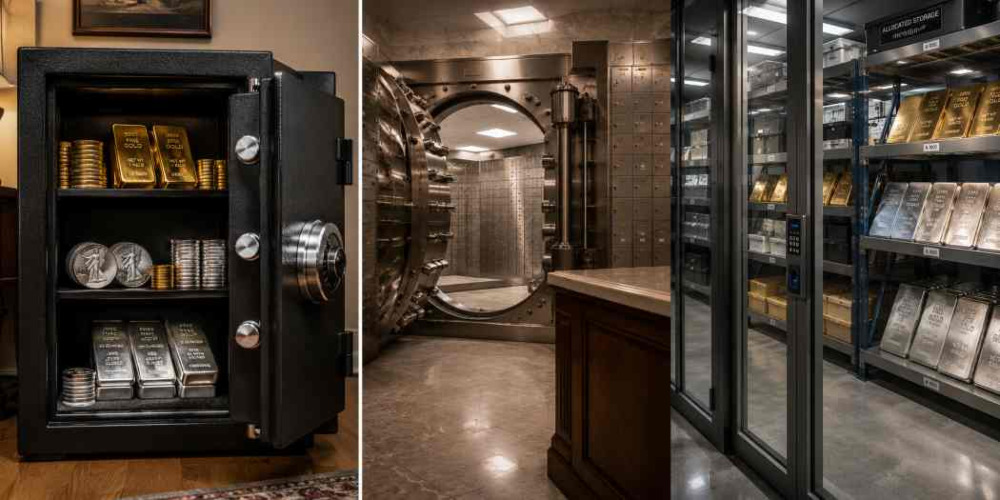
Physical ownership of platinum or palladium through bars or coins offers tangible exposure, but liquidity and premiums vary. Both metals have associated bullion and numismatic options, with platinum coins often carrying collectible appeal and palladium products less common but still available. For investors preferring paper exposure, ETFs and futures can facilitate positioning without the costs of storage or transportation, albeit with counterparty and liquidity considerations. Understanding how each format interacts with market depth and trading costs is essential for execution strategy.
Insights for 2026 and Beyond
Looking ahead, structural factors such as global automotive production trends, hydrogen infrastructure adoption, recycling economics, and geopolitical risk will continue to shape platinum and palladium markets. Investors should monitor supply forecasts, substitution trends in auto catalysts, and industrial demand signals alongside macro drivers like inflation and real yields. By integrating price data with industrial and policy developments, investors can make informed decisions about where platinum or palladium fits relative to broader portfolio objectives and risk tolerance.
FAQs
What’s the main difference between platinum and palladium?
Platinum and palladium are both platinum group metals (PGMs) used in catalytic converters, but their demand profiles differ: palladium is heavily concentrated in gasoline engine catalysts, while platinum’s use spans diesel converters, jewelry, industry, and emerging hydrogen technology. These distinctions result in different supply risks, price behaviors, and investment dynamics. Understanding how each metal interacts with automotive trends and industrial demand is key to comparing their roles in investment portfolios.
Which metal is more dependent on automotive demand?
Palladium is significantly more dependent on automotive demand, with roughly 80–85% of its consumption linked to gasoline engine catalytic converters, making it a leveraged play on auto production cycles. Platinum also supports autocatalyst demand but has a broader industrial base that includes jewelry, chemical catalysts, petroleum refining, and growing hydrogen fuel cell applications. This diversification can help platinum weather shifts in automotive trends more effectively than palladium.
How do supply risks differ between platinum and palladium?
Both metals have concentrated supply bases, but the nature of risk varies: platinum production is heavily centered in South Africa with operational challenges like aging mines and power instability, while palladium’s supply also depends significantly on Russian output and geopolitical factors. These geographic concentrations create unique supply risk profiles for each metal, influencing price volatility and investment risk.
Can platinum benefit from emerging energy technologies?
Yes. Platinum’s role in hydrogen fuel cells and proton exchange membrane electrolysis technology positions it for potential long-term demand growth beyond traditional auto catalysts. As governments and industries invest in hydrogen infrastructure to meet energy transition goals, platinum may capture new demand streams, differentiating it from palladium, which has limited exposure to these technologies.
How have platinum and palladium prices behaved recently?
After palladium’s record highs driven by supply deficits and gasoline engine demand, prices have retraced as automotive substitution and EV adoption increase. Platinum, meanwhile, has seen strong rallies supported by persistent supply shortfalls and broader industrial demand, attracting renewed investor interest and narrowing the price gap between the two metals.
Which metal is better for portfolio diversification?
Both metals offer diversification benefits, but their different demand drivers mean they serve distinct roles. Palladium’s concentrated auto demand can provide cyclical exposure, while platinum’s broader industrial use and emerging energy applications offer a more diversified profile. Allocating across both, alongside gold or silver, can help balance industrial and macro risks.
What is the platinum-palladium ratio and why does it matter?
The platinum-palladium ratio shows how many ounces of palladium one ounce of platinum can buy. It serves as a relative value tool, signaling substitution trends in auto catalysts and reflecting shifts in industrial demand. Traders and investors watch this ratio for insights into pricing divergences, potential mean reversion, or structural changes in PGM markets.
How does recycling impact platinum and palladium supply?
Recycling contributes to both metals’ supply bases, with higher scrap availability supporting secondary inputs. In periods of tight primary supply, recycling can partially offset deficits, but it rarely fully satisfies industrial demand. Palladium’s recycling flows are influenced by vehicle scrappage rates, while platinum recycling is also supported by jewelry and industrial scrap, adding resilience to supply but not eliminating structural deficits.
Related reading you may find interesting:
Platinum Supply Shortage and Market Impact in 2026