


Why Some Gold Coins Find Buyers Faster Than Others
Two gold coins can contain the same amount of precious metal yet produce very different resale experiences. One might attract immediate offers from several bullion dealers, while another requires specialist evaluation or additional time to find an interested buyer. The difference is not necessarily the gold itself, but how readily the coin can be identified, authenticated, priced, and resold. For buyers planning to hold physical gold, understanding these factors before purchasing can help prevent complications later.
This characteristic is known as liquidity. In the physical gold market, liquidity reflects the availability of buyers, the speed of a transaction, and how closely an offer reflects the coin's prevailing market value. A coin may be valuable without being particularly liquid, especially when its price depends on finding a collector with specific interests.
Recognizable Gold Coins Have an Advantage
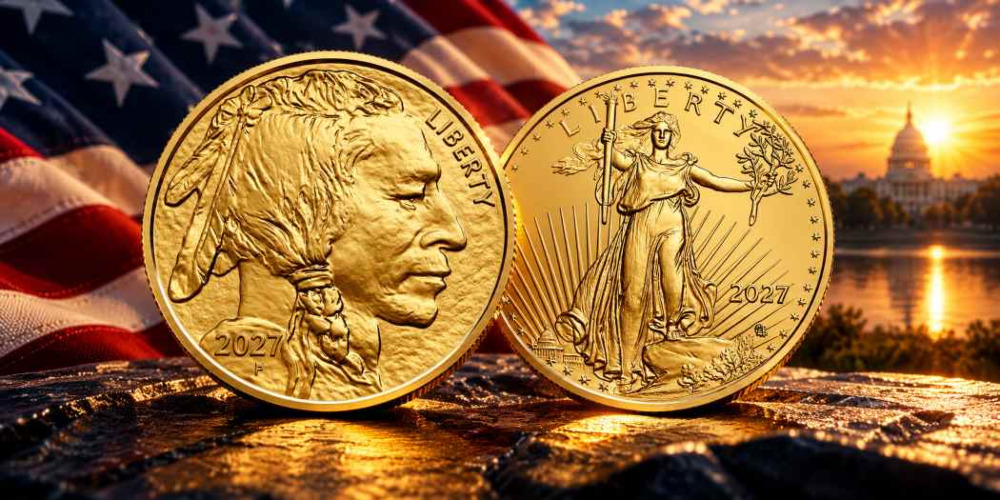
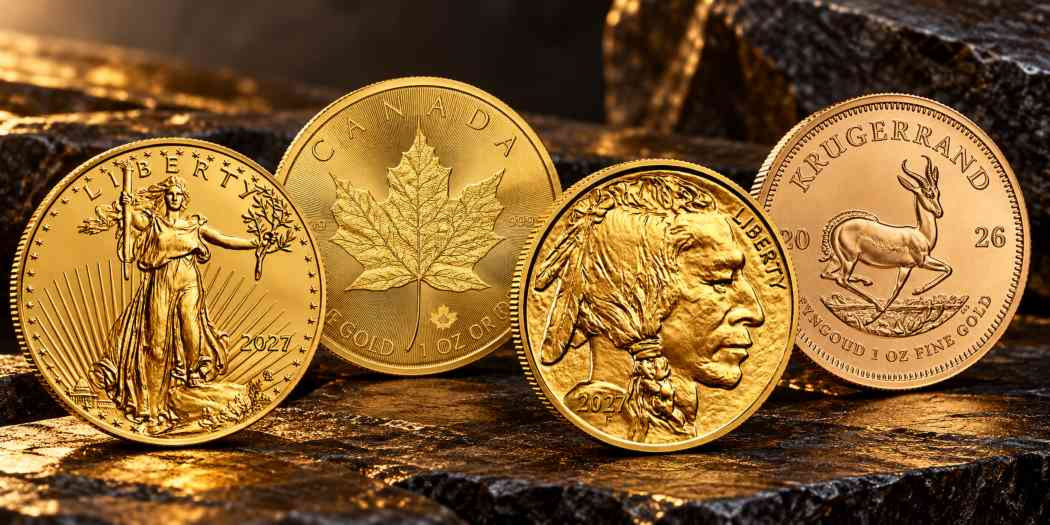
Familiar designs make a meaningful difference in the secondary market. American Gold Eagles, Gold Buffalos, Canadian Gold Maple Leafs, and South African Krugerrands have established specifications and longstanding dealer markets. Their recognizable appearance and documented gold content make them relatively straightforward to evaluate. Dealers can reference comparable transactions, assess current wholesale demand, and determine whether a coin fits their existing inventory.
A standard one-ounce Gold Eagle, for example, belongs to a widely traded series. Its specifications are familiar to precious-metals professionals, reducing the research required before making an offer. However, recognition does not eliminate authentication requirements. Counterfeiters frequently imitate popular bullion products precisely because genuine examples enjoy widespread trust.
Less familiar gold coins are not automatically difficult to sell. Certain foreign issues and historical pieces have dedicated collector markets, although their potential buyers may be more specialized. A coin that commands an attractive price from a knowledgeable collector might receive a conservative offer from a general bullion dealer.
Recognition and demand must therefore be considered together. A familiar product is easier to identify, but its marketability ultimately depends on active buyers. As PCGS explains in its discussion of coin-market liquidity, bullion and collectible coins can experience different resale conditions even when both attract substantial interest.
Standardized Specifications Simplify Transactions
Gold coins with documented weights, dimensions, and purity levels provide dealers with a reliable starting point for evaluation. Standardization helps establish precious-metal content and allows buyers to compare similar products without extensive research.
Consider the one-ounce Gold Buffalo and Gold Eagle. The Buffalo contains .9999 fine gold, while the Eagle uses a 22-karat alloy containing copper and silver. Despite their different compositions and total weights, both contain one troy ounce of fine gold. Once authenticated, their underlying metal values can be calculated using the same gold price.
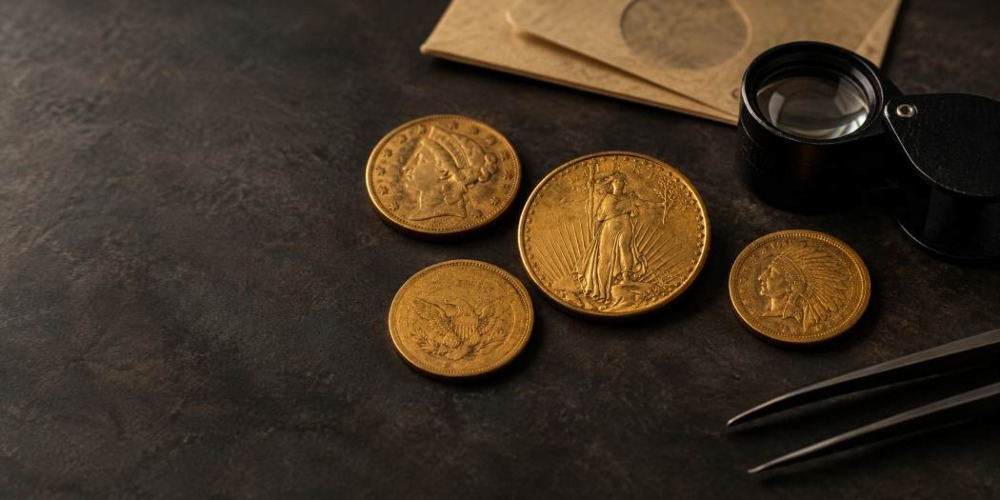
Older coins sometimes require more examination. A pre-1933 U.S. $20 gold piece contains approximately 0.9675 troy ounces of fine gold rather than a full ounce. Its date, mintmark, condition, and collector demand may also influence its market value. Before making an offer, a dealer must determine whether the coin should be treated primarily as bullion or as a numismatic collectible.
These differences help explain why standardized modern bullion often provides a simpler selling experience. Buyers can explore the range of familiar issues in NYC Bullion's gold coin selection, including products from several internationally recognized mints.
Authentication and Condition Influence Buyer Confidence
A gold coin's appearance can affect resale even when its precious-metal content remains unchanged. Heavy scratches, altered surfaces, unusual discoloration, or evidence of cleaning may prompt additional examination. Such issues can also reduce collector premiums or make a dealer less confident about reselling the coin. Although common bullion is generally valued primarily for its metal content, preserving original surfaces helps maintain its marketability.
Professional certification can be particularly useful for older or collectible gold. Services such as PCGS and NGC authenticate coins and assess their condition, providing information prospective buyers can review. A certified coin may be easier to compare or offer remotely than an uncertified example requiring physical inspection. However, common bullion coins are routinely traded without grading, and certification expenses may offer limited benefit when a coin's value depends almost entirely on gold content.
The PCGS article on selling coins examines how authentication and grading can affect marketability. Its discussion highlights why sellers should consider both a coin's potential value and the practical costs of preparing it for sale.
Original packaging and purchase records can provide useful supporting information, but neither independently proves authenticity. For most owners, the simplest precautions are to avoid cleaning, handle coins carefully, and maintain suitable protective storage.
Dealer Demand Determines the Available Market
A coin may be popular among collectors without being equally attractive to every gold buyer. Dealers purchase inventory with future resale in mind, so their offers reflect customer demand, existing stock, wholesale relationships, and the capital required to hold a product.
A business with strong demand for American Gold Eagles may offer competitive prices for those coins. Another dealer specializing in European gold or certified pre-1933 issues might place greater value on different products. Both can recognize a coin's gold content while assigning different premiums to its resale potential.
This distinction becomes particularly important with numismatic gold. Standard bullion generally has a broad market tied closely to precious-metal prices. A scarce historical coin may command substantially more than its melt value, but finding someone willing to pay its full collector premium can require specialist knowledge and additional time. Rarity alone does not guarantee immediate demand, especially when few comparable examples have sold recently.
For owners considering a sale, the most suitable buyer depends on the coin itself. General bullion dealers are often appropriate for widely traded investment products, while significant numismatic rarities may warrant evaluation by specialists or established auction houses.
Understanding the Buy-Sell Spread
An easily resold coin does not necessarily return its original purchase price. Retail premiums, operating costs, wholesale conditions, and changing demand create a difference between what customers pay and what dealers offer for the same product. This difference, known as the buy-sell spread, represents an important transaction cost for physical gold owners.
Suppose a one-ounce coin is purchased for $100 above spot, and a dealer later offers $20 below spot. If the gold price remains unchanged, the combined difference is $120. These hypothetical figures illustrate the calculation rather than current market quotations. Actual spreads vary by product, dealer, quantity, and market conditions.
A coin with a low purchase premium may still produce an unfavorable outcome if resale offers are consistently weak. Conversely, a widely traded product with strong wholesale demand may offer a more predictable selling experience. NYC Bullion examines these factors in its article on why gold buyback prices differ from retail prices.
Choosing Gold Coins With Resale in Mind
Buyers prioritizing flexibility can begin with established bullion coins that have recognizable designs, standardized specifications, and active dealer markets. Fractional gold coins may offer additional convenience because several smaller pieces can be sold individually, although they frequently carry higher premiums per ounce than full-ounce products.
Before purchasing, consider whether multiple reputable dealers regularly handle the coin, whether its value depends heavily on collector demand, and how its purchase premium compares with potential resale offers. The American Numismatic Association's bullion buying and selling guidance emphasizes dealer reputation, transaction costs, and understanding precious-metal pricing before making a decision.
No gold coin guarantees immediate resale at a particular price. Nevertheless, recognizable products, reliable authentication, preserved condition, and broad dealer demand can reduce complications when selling. For buyers who value liquidity, these practical characteristics often matter more than an unusual design or expectations of future collectible premiums.
FAQs
Which gold coins are generally easiest to resell?
Widely recognized bullion coins, including American Gold Eagles, Gold Buffalos, Canadian Gold Maple Leafs, and South African Krugerrands, generally benefit from established dealer markets. Their standardized specifications make them familiar to buyers and relatively straightforward to authenticate and price. However, resale conditions still depend on the dealer, current demand, and the individual coin. No product guarantees an immediate sale at a specific premium or price.
Does a gold coin's condition affect its resale value?
Yes, although the effect depends on whether the coin is valued primarily as bullion or as a collectible. Minor surface marks may have limited impact on the value of common bullion, while cleaning, damage, or heavy wear can substantially reduce numismatic premiums. Buyers may also examine questionable surfaces more carefully. Preserving a coin's original condition helps maintain its marketability, even when its underlying gold content remains unchanged.
Are certified gold coins easier to sell than uncertified coins?
Certification can improve buyer confidence by documenting authentication, grade, and identifying information. This is particularly useful for rare or collectible coins whose value depends on more than precious-metal content. However, standard bullion coins are routinely traded without professional grading, and certification does not guarantee a higher resale price. The potential benefit should be weighed against grading fees, shipping costs, and the coin's expected market value.
Why might two dealers offer different prices for the same gold coin?
Dealers may have different inventory needs, customer demand, wholesale relationships, and operating costs. One business might actively seek a particular bullion series, while another has sufficient stock or specializes in different products. Both can recognize the coin's gold content yet assign different premiums to its resale potential. Comparing offers from reputable buyers can help sellers understand the available market rather than assuming that one quote represents universal value.
Is a rare gold coin harder to sell than a common bullion coin?
Not necessarily, but the two may require different selling approaches. Common bullion coins typically have broad dealer markets and prices closely related to gold content. A rare coin may command a substantial collector premium, although finding someone willing to pay that premium can require specialist knowledge or additional time. Rarity alone does not guarantee strong demand. The number of interested buyers and frequency of comparable transactions also matter.
What should someone check before buying a gold coin they may later sell?
Buyers should examine the coin's reputation, standardized specifications, purchase premium, condition, and potential resale market. It can also help to compare dealer buyback policies and understand how transaction costs affect the overall spread. Authenticity guarantees and reputable sellers are important, particularly for unfamiliar products. For collectible coins, recent comparable sales and professional certification may provide additional context before committing to a significant premium.