

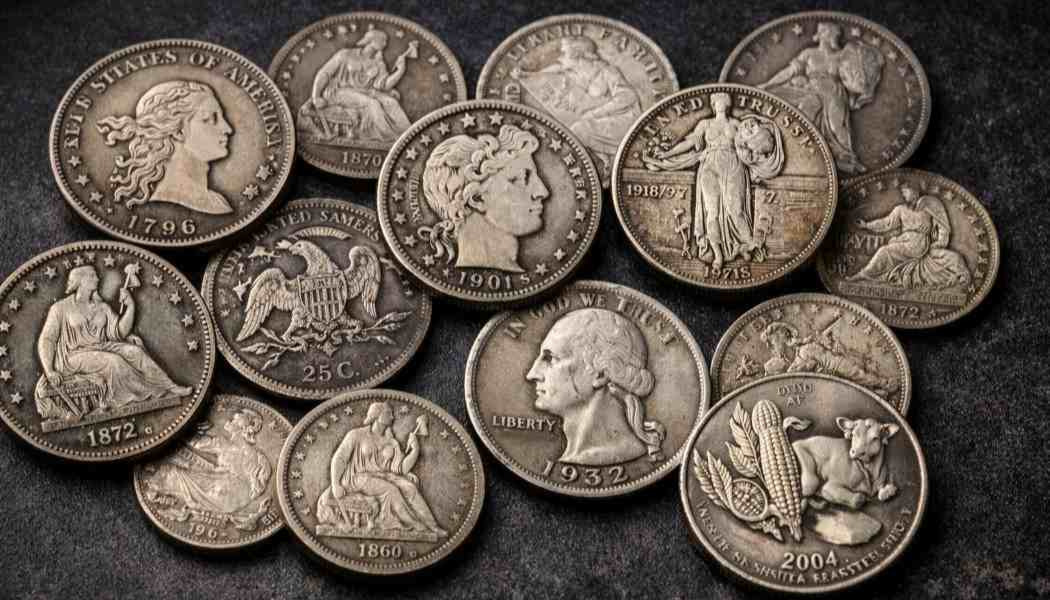
How to Identify Rare and Valuable U.S. Quarters
U.S. quarters have played a central role in American coinage since the late 18th century, and within that long history lie some of the most valuable and sought-after coins in numismatics. From early silver issues to modern mint errors, certain quarters can be worth far more than their face value. Whether you are a seasoned collector or just beginning to explore coin collecting, understanding what drives value—alongside broader trends like the gold spot price and silver spot price—can help you uncover hidden opportunities in both historic and modern quarters.
Key Factors That Influence Quarter Value
Not all quarters carry the same worth, and several critical factors determine whether a coin is common or highly collectible:
-
Historical Age: Older coins, particularly those minted before 1930, tend to be scarcer and more desirable.
-
Rarity and Mintage: Coins produced in limited quantities or under unusual circumstances often command premium prices.
-
Condition and Grade: Well-preserved, uncirculated coins are significantly more valuable than worn examples.
-
Minting Errors: Unique mistakes such as double dies or off-center strikes can dramatically increase a coin’s appeal.
-
Metal Content: Quarters minted before 1965 contain 90% silver, meaning their intrinsic value is tied to the silver spot price.
Historic Quarters That Command High Prices
Since their introduction in 1796, U.S. quarters have evolved through several iconic designs, many of which are now considered treasures in the numismatic world. These coins are not only valuable but also represent key moments in American history.
Among the most notable examples:
-
1796 Draped Bust Quarter – The first U.S. quarter ever minted, extremely rare with only 6,146 produced, often exceeding $100,000 in high grades.
-
1823/2 Capped Bust Quarter (Overdate) – A highly desirable error coin valued up to $250,000 depending on condition.
-
1901-S Barber Quarter – The rarest in its series, with a low mintage of just 72,664 coins.
-
1804 Draped Bust Quarter – A historically significant coin with strong collector demand.
-
1872-CC Seated Liberty Quarter – A Carson City issue known for its limited production.
-
1918/7-S Standing Liberty Quarter – A famous overdate error attracting strong premiums.
-
1849-O Seated Liberty Quarter – A mysterious issue with uncertain mintage figures.
-
1860-S Seated Liberty Quarter – A scarce San Francisco Mint coin.
-
1927-S Standing Liberty Quarter – A lower mintage coin with investment potential.
-
1932-D Washington Quarter – A key date in the Washington series with lasting demand.
These historic quarters often attract both collectors and investors, especially during periods when the gold spot price and silver spot price are rising, increasing interest in tangible assets.
Modern Quarters with Surprising Value
While early coins often dominate headlines, modern quarters can also hold significant value, particularly those with errors or limited mintages. These coins are often more accessible, making them appealing to new collectors.
Some standout modern quarters include:
-
1999-P Delaware Quarter (Spitting Horse Error) – A popular die crack variety valued up to $500.
-
2020-W Washington Quarters – The first circulating quarters with a “W” mint mark.
-
2004-D Wisconsin Quarter (Extra Leaf Error) – A well-known error valued up to $1,200.
-
1976 Bicentennial Silver Quarter – Contains 40% silver, influenced by the silver spot price.
-
1983 Washington Quarter (High Grade) – Rare in top condition due to limited collector sets.
-
1995 Double Die Obverse Quarter – Features noticeable design doubling.
-
1965 Silver Planchet Error – A rare transitional error worth thousands.
-
2005 Minnesota Quarter (Double Die) – Known for visible design doubling.
-
2019-W Lowell Quarter – Limited mintage increases demand.
-
2015 Homestead Quarter (Snow Error) – A visually distinct die break variety.
Modern quarters provide an accessible entry point into collecting while still offering strong upside potential.
Valuable Mint Errors to Look For
Error coins are among the most exciting discoveries in coin collecting. These imperfections, created during the minting process, can significantly increase a coin’s value.
Common errors include:
-
Off-Center Strikes – Misaligned designs that create a dramatic visual effect.
-
Double Die Errors – Overlapping images caused by die misalignment.
-
Wrong Planchet Errors – Coins struck on incorrect metal compositions.
-
Overdate Errors – Multiple dates visible due to reused dies.
-
Clipped Planchets – Missing portions of the coin’s edge.
These errors are highly collectible due to their rarity and uniqueness.
How to Spot a Valuable Quarter
Identifying valuable quarters requires careful observation and research. Key steps include:
-
Check the Date: Pre-1964 quarters often contain silver tied to the silver spot price.
-
Examine Mint Marks: Look for rare marks such as “W,” “S,” or “CC.”
-
Inspect for Errors: Use magnification to identify subtle imperfections.
-
Evaluate Condition: Higher-grade coins command stronger prices.
-
Use Price Guides: Research auction results and grading standards.
Why Quarters Remain Highly Collectible
U.S. quarters continue to be one of the most accessible and rewarding areas of American numismatics. Their combination of historical significance, intrinsic metal value, and potential for rare discoveries makes them appealing to both collectors and investors. As interest in physical assets grows alongside movements in precious metals spot prices, rare quarters remain a compelling way to diversify a collection.
Whether you’re searching through old coin rolls or building a curated portfolio, valuable quarters offer a unique opportunity to combine history, rarity, and long-term potential in one enduring collectible category.
Related reading you may find interesting:
Valuable Dimes Guide: How to Identify Rare & Silver Dimes
2026 Revolutionary War Quarter: A Historic U.S. Mint Release