

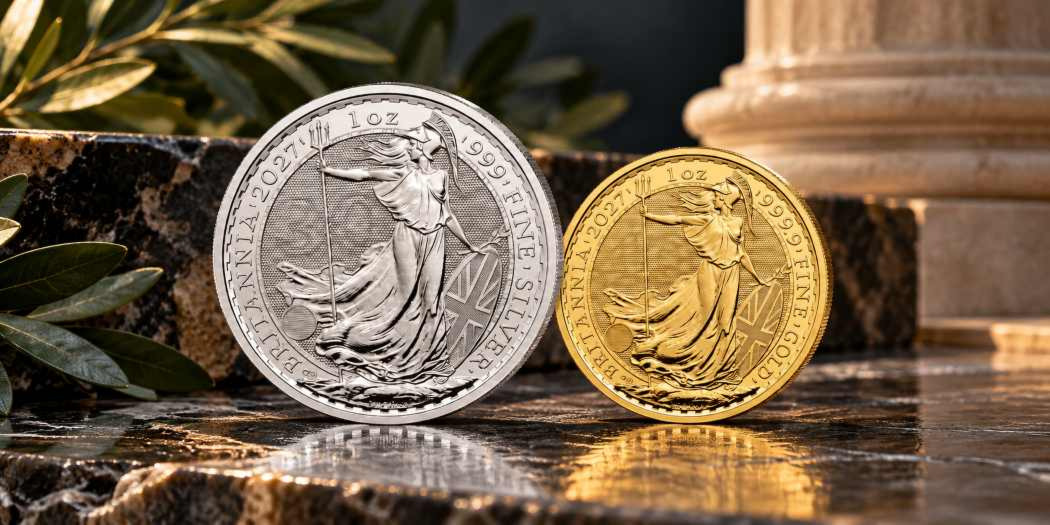
Choosing the Right 2027 Britannia Coin Starts With Size
The 2027 Britannia bullion release offers an unusually broad choice for buyers who want recognizable British gold and silver without committing to the same purchase amount. Both metals are available in four weights, ranging from one-tenth of an ounce to a full troy ounce. The smallest options make physical bullion more accessible, while larger coins generally offer better value when premiums are measured against their metal content.
This year's coins also carry commemorative details marking the 40th anniversary of the Gold Britannia and the 30th anniversary of the Silver Britannia. Those features may attract collectors, but buyers primarily interested in precious-metal ownership face a more practical decision: which size provides the best balance between upfront cost, premium efficiency, and future resale flexibility?
The answer depends on whether the priority is accumulating the most metal for a budget or maintaining the ability to buy and sell smaller amounts over time. Understanding the weight differences makes that choice considerably easier.
What Sizes Are Available for 2027 Gold Britannia Coins?
The Royal Mint offers the 2027 Gold Britannia in four bullion sizes: 1 ounce, 1/2 ounce, 1/4 ounce, and 1/10 ounce. Each contains its stated weight in .9999 fine gold. The one-ounce coin carries a £100 face value, while the fractional denominations carry £50, £25, and £10 values, respectively.
The one-ounce Gold Britannia is the most straightforward option for buyers seeking a full troy ounce of physical gold. Its larger metal content allows manufacturing and distribution costs to be spread across more gold, often producing a lower percentage premium than fractional alternatives. The trade-off is a higher purchase price, which may place it beyond the budget of buyers accumulating bullion gradually.
The half-ounce and quarter-ounce versions occupy a middle ground. A half-ounce coin provides substantial gold content without requiring the expenditure associated with a full ounce, while a quarter-ounce coin offers greater flexibility for periodic purchases. Both can appeal to investors who prefer recognized sovereign coins but want smaller individual transactions.
The one-tenth-ounce Gold Britannia has the lowest metal value of the four denominations, making it the most accessible entry point within the range. However, its smaller size generally means a higher premium per ounce.
Which 2027 Silver Britannia Sizes Can Buyers Choose?
The 2027 Silver Britannia is available in 1-ounce, 1/2-ounce, 1/4-ounce, and 1/10-ounce bullion denominations, each struck in .999 fine silver. The one-ounce coin carries a £2 face value, while the fractional versions carry £1, 50 pence, and 20 pence denominations. These face values establish their status as British legal-tender coins but do not represent their bullion market prices.
For most silver investors, the one-ounce Britannia offers the clearest starting point. It provides a familiar quantity of metal that is easy to compare with other widely traded bullion coins. Its standard weight also simplifies calculating total holdings, particularly when purchasing multiple coins or building a collection over several years.
Fractional Silver Britannias serve a different purpose. Half-ounce and quarter-ounce coins allow buyers to acquire smaller amounts of silver while retaining the same recognizable Britannia design. The one-tenth-ounce version lowers the individual coin's metal value further, although manufacturing costs can make its premium substantial relative to the silver contained.
These smaller coins are therefore not necessarily the cheapest way to accumulate silver by weight. They may instead appeal to collectors building denomination sets, buyers making modest individual purchases, or those who value having multiple small pieces.
What Security Features Do 2027 Britannia Coins Have?
The 2027 Gold and Silver Britannia bullion coins incorporate four advanced visual security features designed to make counterfeiting more difficult. Introduced to the Britannia bullion range in 2021, these features help buyers examine a coin's authenticity while preserving Philip Nathan's iconic depiction of Britannia. The 2027 fractional silver coins also benefit from these protections, bringing the same security technology to smaller denominations.
The four security features include a latent image that changes between a padlock and Britannia's trident as the coin is tilted, surface animation that creates the appearance of movement in the background, micro-text reading DECUS ET TUTAMEN (“an ornament and a safeguard”), and tincture lines that add fine detail to Britannia's Union Jack shield. Together, these elements distinguish modern Britannia bullion coins from many traditional gold and silver issues.
The 2027 anniversary coins also feature special wave privy marks—“40” on the gold coins and “30” on the silver coins—commemorating their respective series milestones. While these details enhance their visual appeal, buyers should still purchase from reputable dealers and verify coin specifications, since security features are an additional safeguard rather than a substitute for authentication.
Why Fractional Britannia Coins Usually Cost More Per Ounce
A smaller coin costs less in total because it contains less precious metal, but that does not necessarily make it a better value. The key distinction is between the total purchase price and the premium paid for each ounce of contained gold or silver.
Consider four quarter-ounce gold coins compared with one full-ounce gold coin. Both purchases contain one troy ounce of gold, but producing, packaging, handling, and distributing four separate coins generally involves more expense. Those costs help explain why four fractional coins may have a higher combined retail price than one full-ounce coin.
The difference can become particularly noticeable with silver. A one-tenth-ounce Silver Britannia contains one-tenth as much silver as a one-ounce version, but it does not necessarily cost one-tenth as much. Manufacturing and distribution expenses remain meaningful even when the metal value is comparatively small.
This relationship is explored in NYC Bullion's guide to understanding bullion premiums, which explains how fabrication, demand, and product format affect retail prices. Buyers can also consult the gold spot price when calculating how much of a coin's asking price represents metal value.
A higher fractional premium is not automatically wasted money. It purchases the convenience of a smaller unit that may fit a budget or resale plan more effectively. The important question is whether that flexibility justifies the additional cost.
Which Britannia Size Makes the Most Sense for Your Budget?
Buyers prioritizing the maximum amount of gold for their money will often find the one-ounce Britannia more efficient than its fractional counterparts. However, purchasing a full ounce requires a larger commitment and may concentrate an entire bullion budget into one coin. Someone who prefers buying at regular intervals may find quarter-ounce or one-tenth-ounce pieces more practical despite their higher percentage premiums.
Silver buyers face a similar calculation, although the lower value per ounce makes the full-ounce coin accessible to a broader audience. Fractional silver can provide smaller individual units, but the premium difference deserves careful attention. For buyers whose main objective is accumulating silver weight, comparing the total cost of several fractional coins with an equivalent quantity of one-ounce coins is especially useful.
Resale flexibility is another consideration. An investor holding four quarter-ounce gold coins can sell one while retaining the others, whereas selling a single one-ounce coin requires liquidating the entire piece. That flexibility may be valuable, although the original fractional premium is not guaranteed to be recovered when the coins are sold.
NYC Bullion's article on fractional gold ownership examines this balance between accessibility and premium efficiency. Buyers comparing available Britannias should also consider inventory, dealer buyback policies, and the condition of the individual coins.
Do the 2027 Anniversary Features Change the Buying Decision?
The 2027 Britannia coins celebrate two milestones: 40 years of the Gold Britannia with a “40” wave privy mark and 30 years of the Silver Britannia with a matching “30” design. These commemorative details add collector appeal to the established bullion series.
However, anniversary features do not guarantee future scarcity or higher resale premiums. Buyers should still prioritize metal content, purchase premiums, and liquidity when comparing denominations. Full-ounce Britannias generally offer better value per ounce, while fractional coins provide greater affordability and resale flexibility. Ultimately, the best choice depends on the buyer's budget and investment or collecting goals.
FAQs
Are 2027 Britannia gold and silver coins legal tender in the UK?
Yes. Gold and Silver Britannias are British legal-tender coins with denominations assigned according to their weights. However, their face values are substantially below their precious-metal values and do not determine normal bullion trading prices. Buyers generally pay according to the contained gold or silver value plus a premium. Legal-tender status establishes their official monetary character, but it does not mean shops must accept bullion coins for ordinary retail transactions.
Are all 2027 Gold Britannia coins made of pure gold?
The 2027 Gold Britannia bullion range is struck in .9999 fine gold, meaning the metal is 99.99% pure. Each denomination contains its stated fine-gold weight, whether one ounce or a fractional amount. This differs from older Gold Britannias, which were historically produced in 22-karat gold before the transition to .9999 purity in 2013. Buyers comparing different years should check specifications rather than assume every Britannia has identical alloy content.
How many 1/10-ounce Britannias equal one full ounce?
Ten one-tenth-ounce Britannias contain one troy ounce of precious metal in total. The calculation applies to both gold and silver when comparing coins of the same metal and stated weight. However, ten fractional coins will not necessarily cost the same as one full-ounce coin because each product carries its own premium. Packaging, fabrication costs, and dealer pricing can make the fractional combination more expensive despite the identical total metal content.
Can fractional Britannia coins be easier to sell than one-ounce coins?
Fractional Britannias can offer greater flexibility because owners may sell smaller quantities without liquidating a full ounce. That can be useful when raising a limited amount of cash or adjusting a bullion holding gradually. However, ease of resale depends on dealer demand, inventory, and current market conditions. A widely traded one-ounce coin may have a more competitive buyback spread, so smaller denominations are not automatically more profitable to sell.
Do 2027 Britannia coins have security features?
Yes. The Royal Mint incorporates four visual security features into its modern Britannia bullion designs: micro-text, a latent image, tincture lines, and surface animation. These details are intended to make counterfeiting more difficult and assist visual authentication. The 2027 anniversary designs also include commemorative wave privy marks and textured backgrounds. Buyers should still purchase from reputable sources because security features complement, rather than replace, proper authentication.
Is it better to buy several fractional Britannias or one full-ounce coin?
A full-ounce Britannia often provides better premium efficiency, while several fractional coins offer greater flexibility. The appropriate choice depends on budget, intended holding period, and potential resale needs. Someone accumulating metal at the lowest practical cost may prefer larger denominations. Another buyer may accept higher premiums to acquire gold gradually or sell smaller portions later. Comparing the combined purchase price and potential buyback spread provides a more useful answer than weight alone.
Will the 2027 Britannia anniversary coins become more valuable?
Anniversary details may attract additional collector interest, but future appreciation is not guaranteed. The 2027 coins commemorate significant milestones for the gold and silver Britannia series, making them distinctive annual issues. Their secondary-market premiums will ultimately depend on production, demand, availability, and condition. Buyers should distinguish between paying for bullion content and paying an additional collector premium, particularly when comparing standard coins with special packaging or finishes.
Related reading you may find interesting:
2027 Gold Buffalo vs. Gold Eagle: What Buyers Should Compare