

A Wartime Coin That Changed American Currency
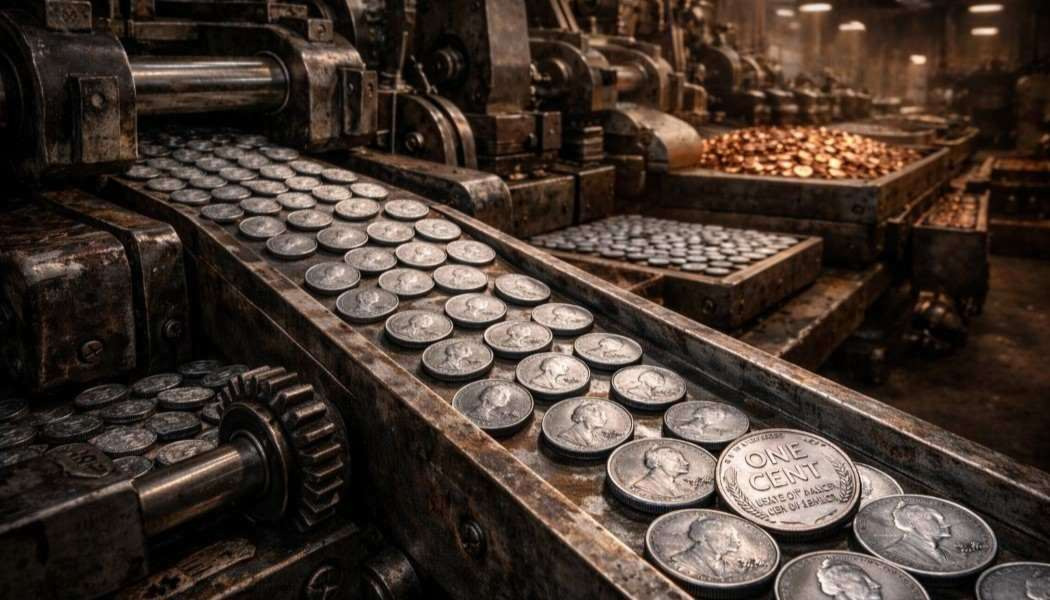
The 1943 Lincoln Wheat Penny is one of the most unusual coins ever issued by the United States Mint. Struck during World War II, this penny broke from tradition by using zinc-coated steel instead of copper, giving it a distinctive silver appearance. This change was driven by necessity, as copper was urgently needed for military manufacturing.
As a result, the 1943 steel cent stands as both a historical artifact and a widely recognized collectible, appealing to coin enthusiasts of all experience levels.
Why the U.S. Mint Switched to Steel in 1943
The shift from copper to steel was a direct response to wartime demands. Copper played a critical role in producing ammunition and electrical equipment, prompting the U.S. government to conserve the metal wherever possible.
To meet this need, the Mint introduced a temporary composition change for the one-cent coin. While the decision was practical, it also created a coin that looked and behaved differently from anything previously circulated.
Over a billion steel pennies were minted in 1943 across all three major facilities, making them common in circulation but still historically significant.
Key Characteristics of the 1943 Steel Cent
Despite its material change, the coin retained the familiar Lincoln Wheat design that had been in use since 1909.
-
Obverse: Abraham Lincoln’s profile with “IN GOD WE TRUST” and “LIBERTY”
-
Reverse: “ONE CENT” framed by two wheat stalks
-
Composition: Steel core coated with zinc
-
Weight: Approximately 2.7 grams
-
Special feature: Magnetic, unlike standard copper pennies
Its bright, silver-like finish and magnetic properties make it instantly recognizable among U.S. coins.
What Is a 1943 Steel Penny Worth?
Although the 1943 steel penny was produced in large numbers, its value varies depending on condition and preservation.
General Value Estimates:
-
Worn (circulated): Around $0.50 to $2
-
Moderate condition: $3 to $10
-
Uncirculated examples: $30 to $150 or more
-
Top-grade coins: Can exceed $1,000
Coins with minimal wear, strong luster, and no corrosion are the most desirable among collectors.
The Rare 1943 Copper Penny Error
One of the most famous coin errors in U.S. history occurred in 1943 when a small number of pennies were mistakenly struck using leftover copper planchets.
These rare coins are:
-
Extremely scarce, with only a handful confirmed
-
Non-magnetic
-
Significantly more valuable than steel versions
Some examples have sold for hundreds of thousands of dollars, making them one of the most sought-after coins in numismatics.
Tips for Identifying Authentic 1943 Pennies
Because of their popularity, 1943 pennies are frequently altered or misrepresented. Collectors should use simple verification methods:
-
Magnet test: Steel cents will stick
-
Weight comparison: Steel coins are lighter than copper
-
Color check: Steel appears gray or silver, not reddish
-
Surface inspection: Look for signs of plating or tampering
For valuable pieces, professional grading and authentication are highly recommended.
Why Collectors Still Seek the 1943 Steel Penny
The 1943 steel penny remains a favorite among collectors due to its unique combination of history and affordability. Unlike many collectible coins, it offers accessibility without sacrificing significance.
Its appeal includes:
-
A direct connection to World War II history
-
A one-year-only composition change
-
Distinct appearance compared to other pennies
-
Availability for both beginners and advanced collectors
Even decades after its release, the coin continues to hold a strong place in U.S. coin collecting.
What Makes the 1943 Steel Penny Valuable Today
The value of the 1943 Lincoln Wheat Penny goes beyond its face value or even its metal content. It represents a moment when necessity drove innovation, resulting in one of the most recognizable coins ever produced.
Whether in circulated condition or pristine mint state, the 1943 steel cent offers collectors a tangible piece of American history. Its blend of rarity in certain forms, historical importance, and enduring demand ensures that it remains relevant in today’s numismatic market.
Related reading you may find interesting:
Top 50 Lincoln Pennies Worth Money: Full Collector Guide