


Certified Holders Shape Trust, Liquidity, and Modern Coin Value
Coin slabbing has become one of the most important trust signals in the modern numismatic market. As gold, silver, commemorative coins, vintage U.S. coins, and world issues move through increasingly digital marketplaces, buyers want confidence that a coin is authentic, accurately graded, and protected in a tamper-evident holder. That is why coin slabbing services now influence more than presentation. They affect resale value, bidding confidence, dealer liquidity, registry participation, and long-term collector demand.
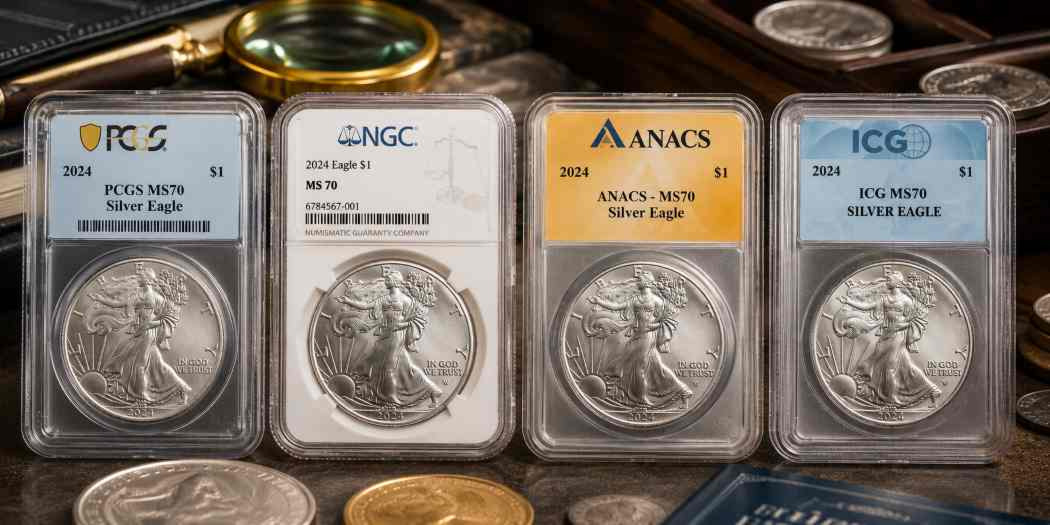
For many buyers, the main comparison begins with PCGS and NGC, the two dominant grading companies in the certified coin market. Both have broad dealer acceptance, strong auction visibility, registry ecosystems, and deep population-report data. ANACS and ICG occupy a different but still relevant position. They are widely known, often more accessible, and can be useful for certain coins, budget-conscious collectors, attribution work, or authentication needs, but they generally do not command the same resale strength as the two market leaders.
Understanding how these services differ helps collectors avoid overpaying for the holder alone. A slab can protect a coin and strengthen marketability, but the grading company, coin type, grade level, rarity, eye appeal, and buyer base all determine whether certification adds meaningful value.
PCGS Holds the Strongest Premium Position in Many Segments
PCGS is often considered the most market-sensitive grading service for U.S. coins, especially where top-grade examples, registry competition, and auction visibility matter. Many advanced collectors, dealers, and auction participants place strong confidence in PCGS-certified coins because of the company’s long-standing reputation, strict grading perception, and large population-report database.
This reputation can translate into stronger premiums, particularly for high-grade Morgan dollars, Saint Gaudens gold coins, early U.S. type coins, key dates, modern bullion in perfect grades, and registry-quality certified pieces. The PCGS holder often carries added confidence in competitive markets where small differences in grade can produce major price gaps.
PCGS also benefits from a powerful registry culture. Collectors building ranked sets may specifically seek PCGS coins because of the platform’s competitive structure and brand recognition. That demand can increase liquidity for top-population coins, especially when a coin has a low census in a desirable grade.
However, PCGS certification does not automatically make every coin more valuable. Common bullion coins, lower-value circulated coins, and heavily available modern issues may not justify slabbing costs unless they grade exceptionally well or carry special designations. The real strength of PCGS is most visible when a coin’s grade, scarcity, and collector demand align.
NGC Competes Closely Across Bullion, World Coins, and Modern Issues
NGC is the other dominant force in professional coin grading, with especially strong acceptance across modern bullion, world coins, ancient coins, and large-scale submission programs. Many investors and collectors view NGC as highly credible, and its holders are widely recognized across retail, wholesale, and auction markets.
NGC has built a particularly strong presence in modern certified bullion. American Eagles, Gold Buffalos, Chinese Pandas, Britannias, Maple Leafs, Perth Mint products, and other sovereign-mint issues frequently appear in NGC holders. The company’s label programs, early-release designations, and high-volume modern grading infrastructure have made it a major player in the investment-grade bullion space.
For world coins, NGC often has especially broad visibility because international collectors and dealers frequently use the service for authentication and market standardization. This can matter for buyers evaluating coins outside the U.S. market, where authenticity, attribution, and grading consistency are critical.
Compared with PCGS, NGC premiums can vary by category. Some coins trade very close to PCGS equivalents, while others may show price differences depending on the series, grade, and buyer preference. In many practical cases, both PCGS and NGC are considered top-tier options, with the best choice depending on the coin and intended resale market.
ANACS Offers Accessibility and Strong Historical Recognition
ANACS has an important place in grading history and remains a recognizable service among collectors. It is often considered a second-tier grading company today, but that does not mean it lacks value. ANACS can be useful for collectors seeking authentication, variety attribution, error-coin certification, or more accessible grading options.
One advantage of ANACS is that it may be cost-effective for coins where full top-tier grading fees are difficult to justify. Collectors sometimes use ANACS for lower-value coins, educational submissions, or pieces where authentication matters more than maximizing auction premium. For some varieties and errors, ANACS has maintained visibility among specialists who appreciate detailed attribution.
The main limitation is resale strength. In many dealer and auction settings, ANACS-certified coins may trade at a discount compared with equivalent PCGS or NGC examples, particularly in higher-value categories. Some buyers may also be more cautious when comparing grades across holders, especially if the coin is expensive or condition-sensitive.
That said, ANACS slabs can still serve a legitimate role. For collectors who prioritize authentication, affordability, or personal enjoyment over maximum resale premium, ANACS may offer a practical path into certified coins.
ICG Can Serve Niche Needs but Usually Trails in Market Premiums
ICG is another recognized grading company, often grouped with ANACS as a second-tier option behind PCGS and NGC. It provides authentication, grading, and encapsulation, and some collectors use ICG for lower-cost submissions, world coins, modern issues, or coins where holder protection is the main objective.
ICG can be helpful when a collector wants a coin authenticated and protected without paying the higher costs sometimes associated with leading-tier services. This can make sense for modest-value coins, educational collections, or items intended for personal organization rather than aggressive resale.
However, ICG holders typically do not carry the same market premium as PCGS or NGC. In competitive resale environments, buyers may discount ICG-certified coins or evaluate them more cautiously. This is especially true for high-value U.S. coins, condition-rarity pieces, and registry-driven categories where PCGS and NGC dominate demand.
Collectors should not automatically dismiss ICG, but they should understand its market position. It can be useful for authentication and protection, yet it is usually not the strongest choice when the primary goal is maximizing liquidity or top-dollar resale.
The Top Two Versus Second-Tier Divide Affects Resale Strategy
The clearest market distinction in coin slabbing is the divide between PCGS and NGC on one side and ANACS and ICG on the other. PCGS and NGC dominate major auctions, dealer networks, registry competition, and high-value certified coin transactions. Their holders often create stronger buyer confidence, especially when coins are expensive or grade-sensitive.
ANACS and ICG remain recognizable but generally occupy a more selective role. They may be useful for authentication, budget submissions, error coins, varieties, or lower-value pieces, but they often have weaker resale premiums. This does not mean every ANACS or ICG coin is inferior. It means the marketplace tends to assign different levels of confidence and liquidity to different holders.
For investors and collectors, the intended use matters. If the goal is long-term resale, major auction placement, registry competition, or premium marketability, PCGS and NGC are usually the safer choices. If the goal is authentication, protection, affordability, or personal collecting, ANACS and ICG may still be reasonable options.
Slabbing Makes the Most Sense When Value Justifies the Cost
Not every coin should be slabbed. Grading fees, shipping costs, insurance, membership requirements, turnaround times, and possible conservation expenses can reduce or eliminate the financial benefit of certification. A coin must have enough value potential to justify the process.
Slabbing is most useful when authentication is important, the coin may grade high enough to increase value, the piece has strong collector demand, or the coin is commonly counterfeited. Rare coins, key dates, high-grade bullion, error coins, and significant varieties often benefit more from professional certification than common circulated pieces.
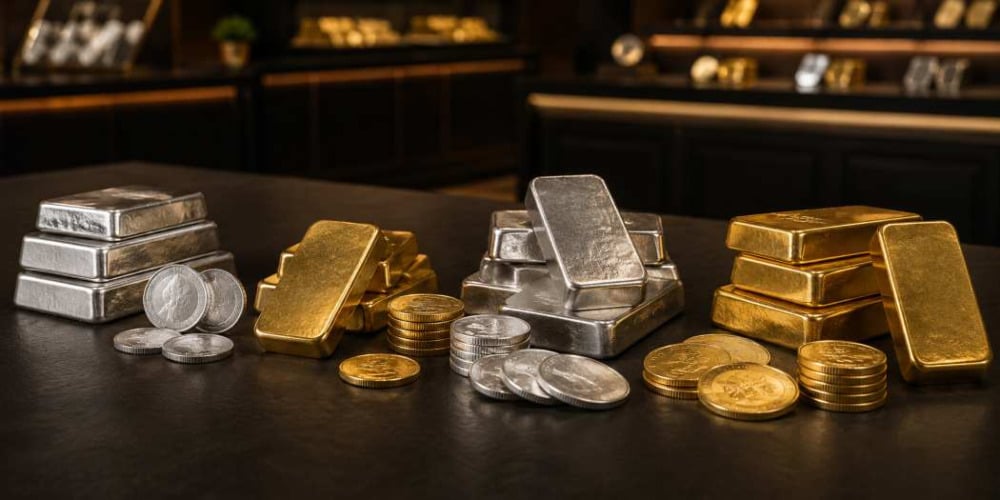
For bullion investors, the calculation is different. A standard gold or silver coin may already be liquid based on metal content alone. Slabbing adds value only when the coin receives a desirable grade, label, or collector-facing designation. Otherwise, the premium may not outperform lower-cost bullion alternatives.
This distinction is essential. Bullion value follows spot metal prices, while numismatic value depends on grade, scarcity, demand, and holder reputation.
Holder Reputation Can Influence Buyer Confidence
A certified coin is not just a coin in plastic. It is a package of authentication, grading opinion, market trust, and liquidity. The holder tells buyers which company evaluated the coin and how the market may interpret that grade.
PCGS and NGC holders usually give buyers the highest level of market confidence. That confidence can shorten selling time, increase auction participation, and reduce pricing disputes. In contrast, second-tier holders may require more buyer education, closer inspection, or price adjustment.
This is particularly important online. When buyers cannot examine a coin in person, they rely more heavily on certification, images, population data, and dealer reputation. A trusted slab can reduce uncertainty and make a transaction easier.
Still, collectors should remember that the coin itself matters most. Eye appeal, strike quality, toning, surface preservation, and originality can all influence value within the same grade. A technically graded coin with weak eye appeal may underperform, even in a top-tier holder.
Crossovers and Regrading Can Unlock or Reduce Value
Some collectors attempt to cross coins from ANACS or ICG holders into PCGS or NGC holders to improve marketability. This process can work when the coin is accurately graded and attractive enough to meet the receiving company’s standards. A successful crossover into a top-tier holder may increase liquidity and resale value.
However, crossover attempts carry risk. The coin may fail to cross, receive a lower grade, or not justify the added fees. In some cases, a coin that looks attractive in one holder may be judged differently by another grading service. This is why experienced buyers evaluate the coin before the slab, especially when considering regrading opportunities.
Regrading also matters within PCGS and NGC holders. A one-point upgrade can create substantial value for certain coins, but the chance of success depends on the coin’s quality and the grading standards of the service. Submitting coins repeatedly without strong evidence of upgrade potential can become costly.
Modern Collectors Need a Purpose-Driven Slabbing Strategy
The best grading choice depends on the coin and the collector’s goal. PCGS may be favored for many U.S. series, registry competition, and premium auction positioning. NGC may be especially appealing for modern bullion, world coins, and large submission programs. ANACS may fit collectors seeking accessible authentication or variety attribution. ICG may work for lower-cost protection or niche collecting needs.
A smart strategy begins with the expected market for the coin. A rare gold coin intended for auction likely deserves a top-tier holder. A common circulated coin may not be worth grading at all. A modern bullion coin may only justify certification if it has a realistic chance at MS70 or PF70, or if the label and release designation create meaningful collector demand.
As certified coin markets continue evolving, slabbing will remain a major part of numismatics. But the strongest results come from matching the coin to the right service, not assuming every holder adds the same value.
Certification Will Keep Shaping the Future of Coin Collecting
Coin slabbing services have changed how collectors and investors evaluate authenticity, condition, and resale potential. PCGS and NGC remain the top two services for broad market confidence, while ANACS and ICG continue serving useful roles for specific collecting needs.
The most important lesson is that certification should support a broader buying strategy. A slab can protect a coin, clarify grade, and improve liquidity, but it cannot create lasting value without real collector demand, strong eye appeal, and sound market fundamentals.
For buyers comparing PCGS, NGC, ANACS, and ICG, the best decision comes from understanding both the coin and the market behind it. In modern numismatics, the holder matters, but the right coin in the right holder matters even more.
FAQs
What are coin slabbing services?
Coin slabbing services authenticate, grade, and encapsulate coins in tamper-evident holders to protect condition and improve buyer confidence. A slabbed coin includes a grading label that identifies the coin, grade, certification number, and sometimes special designations. These services are widely used for rare coins, bullion coins, errors, varieties, and modern collectibles. Slabbing can improve marketability, but its value depends on the coin, grading company, grade, and collector demand.
Which coin grading service is best?
PCGS and NGC are generally considered the top two coin grading services because they have the strongest market acceptance, auction visibility, population data, and collector trust. PCGS is especially strong in many U.S. coin categories and registry competition, while NGC is widely used for world coins, modern bullion, and large submission programs. The best service depends on the coin type, resale goal, grading cost, and preferred collector market.
Is PCGS better than NGC?
PCGS is not universally better than NGC, but it often commands stronger premiums in certain U.S. coin series and registry-driven markets. NGC competes closely and may be preferred for world coins, modern bullion, ancient coins, and specific label programs. Both are top-tier grading companies with broad dealer and auction acceptance. The better choice depends on the coin, expected resale channel, desired holder, and collector preference in that specific market.
Are ANACS and ICG good grading services?
ANACS and ICG are recognized grading services, but they generally trade behind PCGS and NGC in resale premiums and market confidence. ANACS has strong historical recognition and can be useful for authentication, varieties, and error coins. ICG may serve collectors seeking lower-cost protection or certification for modest-value coins. Both can be practical in certain cases, but high-value coins often perform better in PCGS or NGC holders.
Does slabbing a coin increase its value?
Slabbing can increase a coin’s value when authentication, grade confirmation, or holder reputation improves buyer confidence. Rare coins, key dates, high-grade examples, counterfeit-prone issues, and desirable bullion releases may benefit most from certification. However, slabbing does not automatically add value. If grading fees exceed the potential premium, or if the coin receives a lower-than-expected grade, certification may not be financially worthwhile for the owner.
When should a coin be slabbed?
A coin should usually be slabbed when it has enough value, rarity, grade potential, or authentication risk to justify grading costs. Slabbing makes sense for rare coins, key dates, high-grade bullion, major errors, important varieties, and coins commonly targeted by counterfeiters. Common low-value coins are often not worth submitting unless they have exceptional condition or special collector interest. Buyers should compare grading costs against expected resale improvement.
Do PCGS coins sell for more than ANACS coins?
PCGS coins often sell for more than ANACS coins when the same coin and grade are compared, especially in high-value U.S. coin categories. The premium reflects stronger market confidence, registry demand, auction visibility, and dealer preference for PCGS holders. However, the difference varies by series and condition. Some ANACS coins may still offer good value if accurately graded, attractive, and priced below comparable top-tier certified examples.
Is ICG accepted by coin dealers?
Many coin dealers recognize ICG, but acceptance varies depending on the coin, grade, and intended resale market. ICG holders are usually easier to sell when the coin is modestly priced, visually attractive, or purchased primarily for authentication and protection. For expensive coins, many dealers and collectors prefer PCGS or NGC because those holders typically carry stronger liquidity and resale confidence. ICG can be useful, but market premiums are usually lower.
Are slabbed bullion coins worth buying?
Slabbed bullion coins can be worth buying when the grade, label, or certification adds meaningful collector demand beyond metal value. Modern gold and silver coins in perfect MS70 or PF70 grades may command premiums, especially with desirable labels or low populations. However, standard bullion buyers focused mainly on gold or silver content may prefer lower-premium raw coins or bars. The decision depends on whether the buyer wants metal exposure, collectible upside, or both.