


City Living Makes Bullion Storage a Different Kind of Decision
Choosing between a home safe NYC apartment setup and a bank safe deposit box is not just a question of convenience. In New York City, the decision is shaped by apartment size, building rules, floor load concerns, delivery access, anchoring limits, privacy, insurance, and how often the owner expects to access the metals. Gold, silver, platinum, and palladium are compact stores of value, but their weight can add up quickly, especially with silver bars, coin tubes, monster boxes, or larger bullion holdings.
A bank box may offer separation from the home and bank-vault security, but access is limited to branch hours and contents are generally not federally insured. A home safe offers immediate access, but it creates practical challenges in a rental, co-op, condo, walk-up, or older prewar building. For apartment residents, the smartest storage plan usually starts with a realistic assessment of weight, anchoring, access needs, and risk tolerance.
Bullion Weight Matters More Than Many Buyers Expect
Gold is dense, which makes it easy to store in small spaces. Silver is a different story. A meaningful silver position can become heavy faster than new buyers expect. A few rolls of silver coins may be manageable, but boxes of silver bars or tubes can place concentrated weight in one area. In an apartment, that matters because floors, furniture, shelving, and safes all have physical limits.
The issue is not simply whether a floor can hold a safe. It is how weight is distributed. A compact safe with a small footprint can concentrate weight in one spot, especially once loaded with coins or bars. A wider safe, reinforced cabinet, or distributed storage plan may spread weight more effectively, but building construction still matters.
NYC apartments vary widely. A modern high-rise condo, a converted loft, a brownstone rental, and a prewar walk-up can have very different structural characteristics. Anyone considering a heavy safe should avoid guessing. For larger holdings, speak with building management, review lease or condo rules, and consult a qualified professional if weight becomes significant.
Anchoring Can Be Complicated in Rentals, Co-ops, and Condos
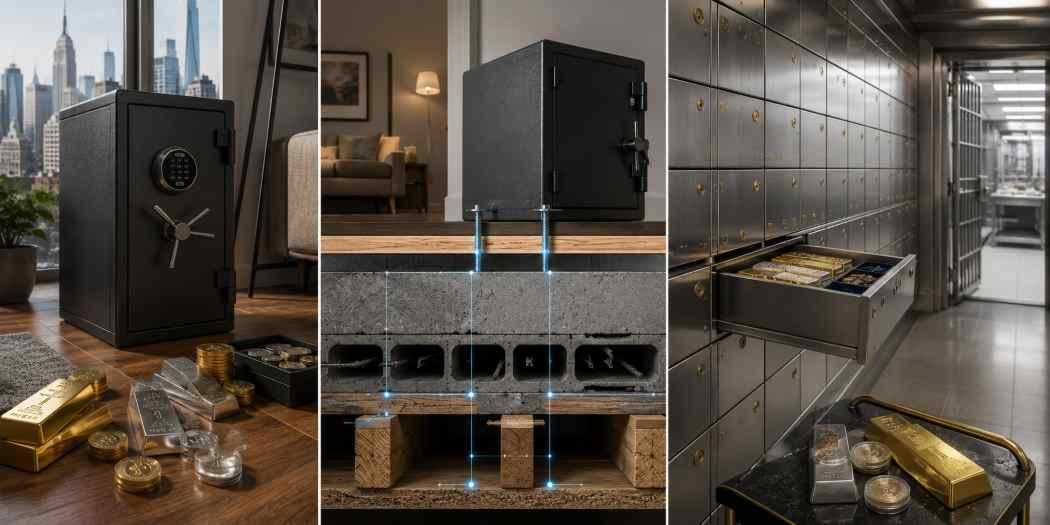
Anchoring is one of the biggest differences between a home safe in a suburban house and a safe in a New York apartment. A safe that is not anchored may be easier to remove, but drilling into floors or walls can violate lease terms, co-op rules, condo alteration policies, or building requirements. Even when anchoring is technically possible, it may require written permission.
Concrete floors, wood joists, radiant heating systems, shared walls, soundproofing layers, and building mechanical systems can all complicate installation. In some buildings, residents may not be allowed to drill into structural surfaces at all. In others, any installation may require a licensed contractor or board approval.
This is where many apartment owners underestimate the challenge. A safe is not just a product purchase. It may become an installation issue. Before buying a heavy safe, residents should confirm where it can go, whether it can be anchored, whether the delivery team can reach the unit, and whether building management has restrictions on freight elevators, insurance certificates, or installation work.
Bank Boxes Offer Separation but Not Full Protection
A bank safe deposit box can be useful for people who want to keep valuables away from their apartment. It may reduce exposure to household theft, fire, or water damage, and it avoids the weight and anchoring concerns of a home safe. For documents, family keepsakes, and items not needed quickly, a bank box can be a practical storage option.
However, bank boxes have limits. Access is restricted to bank hours, branch availability, identification procedures, and account rules. A buyer who wants immediate access to bullion during a weekend, holiday, emergency, or market event may find that limitation frustrating.
Insurance is another concern. Safe deposit box contents are generally not covered by FDIC deposit insurance, because the box is a rented storage space, not a deposit account. Banks also typically do not insure the contents themselves. Owners who place coins, bars, jewelry, or important documents in a bank box should investigate separate insurance coverage and maintain private records of what is stored.
Home Safes Provide Access but Increase Responsibility
A home safe gives the owner direct access. That can be useful for investors who want to inspect holdings, add new purchases, photograph inventory, prepare shipments, or keep certain items close. It may also be convenient for smaller collections, important documents, or bullion that the owner does not want to store off-site.
The tradeoff is responsibility. A safe must be selected, delivered, placed, possibly anchored, maintained, and insured. Apartment owners also need to think about moisture control, fire resistance, theft resistance, and discretion. A safe is only one part of a broader storage plan.
For precious metals, moisture and handling matter too. Coins should be stored in appropriate capsules, tubes, flips, or slabs. Bars should be protected from unnecessary scratches or contact. Numismatic coins need more care than generic bullion because surface damage, cleaning, or improper storage can reduce collector value. A safe protects access, but it does not automatically protect condition unless the contents are stored properly inside it.
Fire Ratings, Burglary Ratings, and Marketing Claims Need Careful Review
Not all safes are built for the same purpose. Some are primarily fire-resistant document safes. Others are designed for burglary resistance. Some consumer safes may look substantial but offer limited protection against serious forced entry. Buyers should review actual ratings, construction, locking mechanisms, bolt work, door thickness, and manufacturer specifications rather than relying on size or appearance alone.
Fire ratings can be useful for paper documents, but precious metals behave differently than paper. Gold and silver do not burn in a typical residential fire, but extreme heat, smoke, water, and emergency response can still damage packaging, capsules, documents, certificates, and surrounding contents. Numismatic coins can be harmed by heat, chemical exposure, moisture, and improper handling after an incident.
Burglary ratings also matter. A lightweight safe may protect against casual access but not determined removal. A heavy safe may be better, but weight becomes a problem in an apartment. The strongest choice is often not the largest safe available, but the safest realistic option for the building, access route, storage need, and insurance requirements.
NYC Apartment Logistics Can Decide the Practical Answer
Even before installation, delivery can become a challenge. Does the building have a freight elevator? Are there stairs? Are hallways narrow? Does the building require a certificate of insurance from the delivery company? Is there a service entrance? Are deliveries restricted to certain hours? Can the floor surface handle moving equipment?
These questions matter in New York City because many apartments were not designed for heavy personal safes. A safe that looks manageable online may become difficult once it reaches a lobby, elevator, staircase, or narrow hallway. Delivery professionals may refuse certain moves without special equipment or building approval.
This is one reason some apartment residents choose a smaller safe at home for limited, frequently accessed items and use off-site storage for larger holdings. A hybrid approach can reduce weight concentration and keep the most important items accessible without forcing all bullion into one location.
Insurance Should Be Decided Before Storage
Whether metals are stored at home or in a bank box, insurance should not be an afterthought. Standard renters, condo, or homeowners policies may have limits on bullion, coins, jewelry, cash, and collectibles. Some policies require scheduled coverage, appraisals, purchase records, photographs, or proof of secure storage.
For bank boxes, owners should confirm whether private insurance covers the specific contents and location. For home safes, insurers may ask about safe type, anchoring, alarm systems, building security, and itemized values. High-value numismatic coins may need different documentation than bullion bars or common coins.
Inventory records are also important. Owners should maintain purchase invoices, photos, serial numbers for bars when available, grading certification numbers for slabbed coins, and updated valuation records. These records should not all be stored in the same place as the metals. If a loss occurs, documentation can become as important as the storage method itself.
Bullion and Numismatic Coins Need Different Storage Thinking
Bullion and numismatic coins are not always stored for the same reasons. Bullion buyers are often focused on metal content, liquidity, and low premiums. Numismatic collectors may be focused on grade, rarity, mintage, surface originality, and certification. That changes storage priorities.
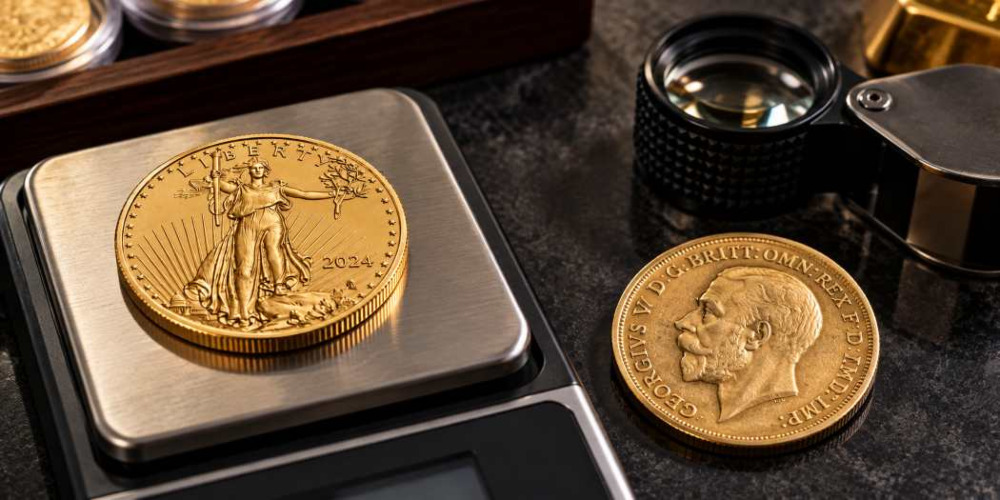
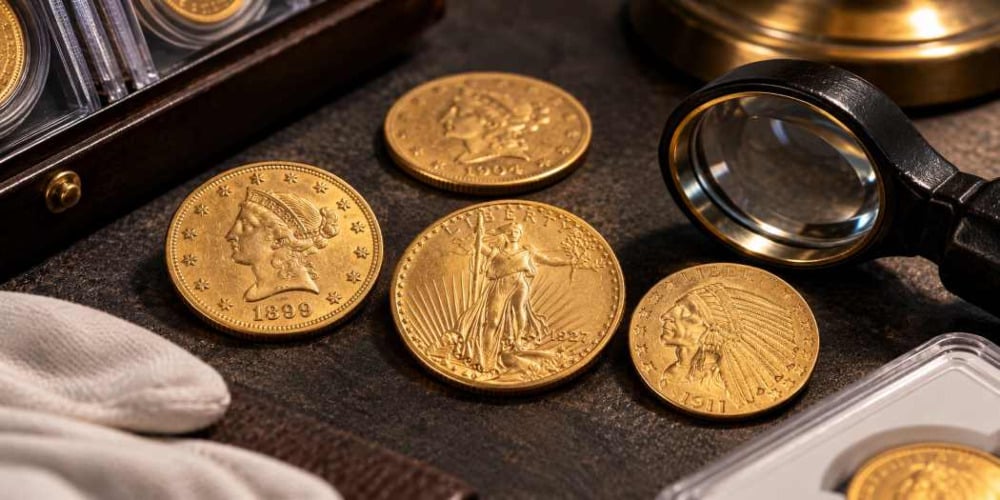
A stack of generic silver rounds may tolerate normal handling better than a high-grade Morgan Dollar, Proof Gold Eagle, or rare certified coin. Slabbed coins should be protected from scratches, moisture, and pressure. Raw collectible coins should not be stored loose against other coins, even inside a safe.
For NYC apartment residents, this means storage should be organized, not just secure. Separating bullion by metal and product type, keeping numismatic coins in protective holders, and maintaining clear records can reduce the chance of accidental damage or confusion. A safe or bank box is only useful if the contents remain identifiable, protected, and accessible when needed.
A Hybrid Storage Plan Often Fits City Investors Best
For many NYC residents, the best answer is not strictly home safe or bank box. It may be a layered plan. Smaller holdings, frequently used documents, and a limited amount of bullion may be kept in a properly selected home safe. Larger or less frequently accessed items may be stored off-site in a bank box, private vaulting service, or insured storage arrangement.
This approach reduces dependence on one location. It can also help manage apartment weight, anchoring limits, and access needs. A collector may keep a few commonly reviewed items at home while storing higher-value or rarely handled pieces elsewhere. A bullion investor may keep records and a small emergency allocation at home while placing heavier silver holdings off-site.
The right balance depends on value, frequency of access, building rules, comfort level, insurance coverage, and whether the metals are primarily bullion or collectibles. City living rewards planning. Storage should match the apartment, not just the portfolio.
Choosing the Safer Path for NYC Bullion Storage
A home safe can work in a New York City apartment, but only if weight, anchoring, delivery, insurance, and building rules are considered before purchase. A bank box can also work, but it is not a perfect solution because access is limited and contents generally require separate insurance protection.
For smaller holdings and frequent access, a properly placed home safe may be practical. For larger or less frequently accessed bullion, a bank box or professional vaulting option may reduce apartment risks. For many buyers, the strongest approach is a thoughtful combination: enough at home for convenience, enough off-site for risk management, and clear records for insurance and estate planning.
Precious metals are chosen because they preserve value outside the ordinary financial system. Storage should reflect that same discipline. The goal is not simply to hide metal. It is to protect access, condition, documentation, and long-term value.
FAQs
Is a home safe practical in a NYC apartment?
A home safe can be practical in a NYC apartment if the safe’s weight, footprint, placement, and anchoring requirements fit the building. Smaller safes may work well for limited bullion, important documents, or frequently accessed items. Larger safes require more caution because apartment floors, delivery access, lease rules, and board policies may create restrictions. Residents should check building rules before purchasing or installing a heavy safe.
Can you anchor a safe in a rental apartment?
Anchoring a safe in a rental apartment may require landlord permission because drilling into floors or walls can violate lease terms. Co-ops and condos may also require board approval or licensed installation. Before anchoring, residents should confirm what surfaces can be drilled, whether building systems are nearby, and whether the work must be performed by an approved contractor. Written permission is safer than verbal approval.
Is a bank safe deposit box better than a home safe?
A bank safe deposit box may be better for items that do not need frequent access, while a home safe may be better for items needed quickly. Bank boxes provide off-site storage but are usually limited to branch hours and are not the same as insured bank deposits. Home safes offer convenience but require responsibility for installation, security, insurance, and proper storage conditions.
Are safe deposit box contents FDIC insured?
Safe deposit box contents are not FDIC insured because a box is rented storage space, not a deposit account. FDIC insurance generally protects eligible bank deposits if an insured bank fails, but it does not cover coins, bullion, documents, jewelry, or other valuables stored inside a box. Owners should consider separate insurance and keep documentation for valuable items stored in a bank box.
How heavy is too heavy for an apartment safe?
A safe may be too heavy for an apartment if its loaded weight creates concentrated pressure beyond what the floor, furniture, or placement area can reasonably support. The answer depends on the building, floor construction, safe footprint, and amount of bullion stored inside. Silver can add significant weight quickly. For large safes or heavy metals holdings, residents should consult building management or a qualified professional.
Should gold and silver be stored in the same safe?
Gold and silver can be stored in the same safe, but they should be organized and protected separately. Silver takes more space and weight than gold, while collectible coins may need capsules, tubes, slabs, or archival holders. Keeping metals separated by type, product, and documentation helps prevent scratches, handling mistakes, and inventory confusion. Numismatic coins need extra care because surface condition affects value.
What should apartment residents consider before buying a safe?
Apartment residents should consider safe weight, floor placement, anchoring rules, delivery access, fire and burglary ratings, insurance requirements, moisture control, and building policies. They should also think about how often they need access to the contents. A safe that is too heavy, difficult to deliver, or impossible to anchor may create more problems than it solves. Planning should come before purchase.
Is a bank box good for storing gold coins?
A bank box can be useful for storing gold coins that do not need frequent access, especially if the owner wants off-site storage. However, contents are generally not covered by FDIC insurance, and access is limited to bank hours. Owners should keep records, review insurance options, and avoid storing anything they may need quickly. Certified or numismatic coins should also be protected from scratches and moisture.
What is the best storage strategy for bullion in NYC?
The best storage strategy for bullion in NYC is often a layered approach. Some owners keep a limited amount in a properly selected home safe for convenience and store larger or less frequently accessed holdings off-site. This can reduce apartment weight concerns, improve risk management, and preserve access when needed. The right mix depends on value, building rules, insurance, and personal comfort.