
What First-Time Silver Buyers Should Know
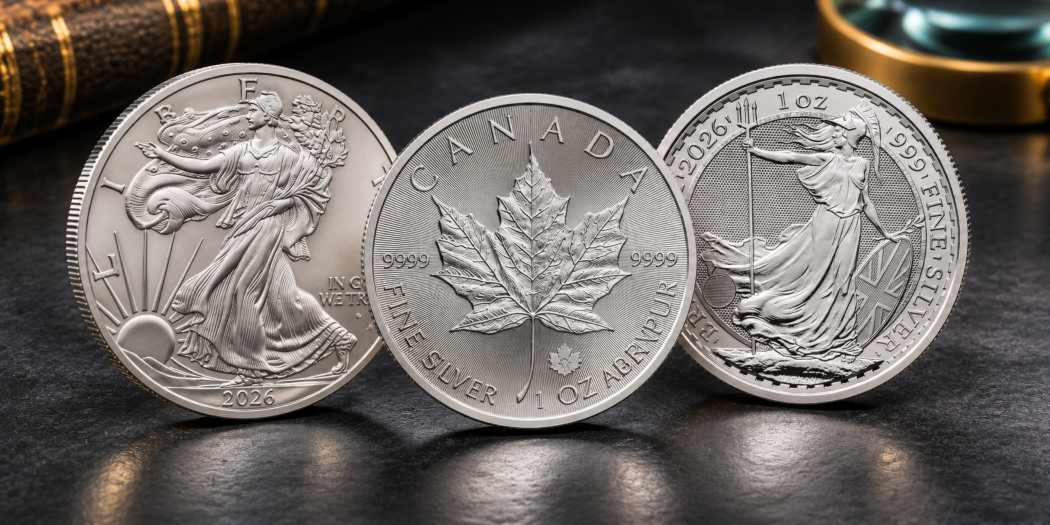
Buying silver coins for the first time can feel complicated, especially when products containing nearly identical amounts of precious metal sell at noticeably different prices. American Silver Eagles, Canadian Silver Maple Leafs, and British Silver Britannias are among the most recognizable options, but their premiums, security features, and market demand can vary considerably.
For beginners, understanding these differences is more useful than simply choosing the most attractive coin or the lowest advertised price. The key is to compare how much silver each coin contains, what you're paying above its metal value, and how easily it might be sold in the future.
Whether you're starting a collection or purchasing physical silver as a long-term holding, understanding the characteristics of different silver bullion coins can help you make a more informed decision.
Bullion Coins vs. Collectible Silver Coins
Before comparing specific products, it's important to distinguish bullion coins from numismatic coins. Bullion coins are generally purchased for their precious metal content, with prices closely tied to the silver spot market. Collectible coins may command additional premiums based on rarity, condition, historical significance, or collector demand.
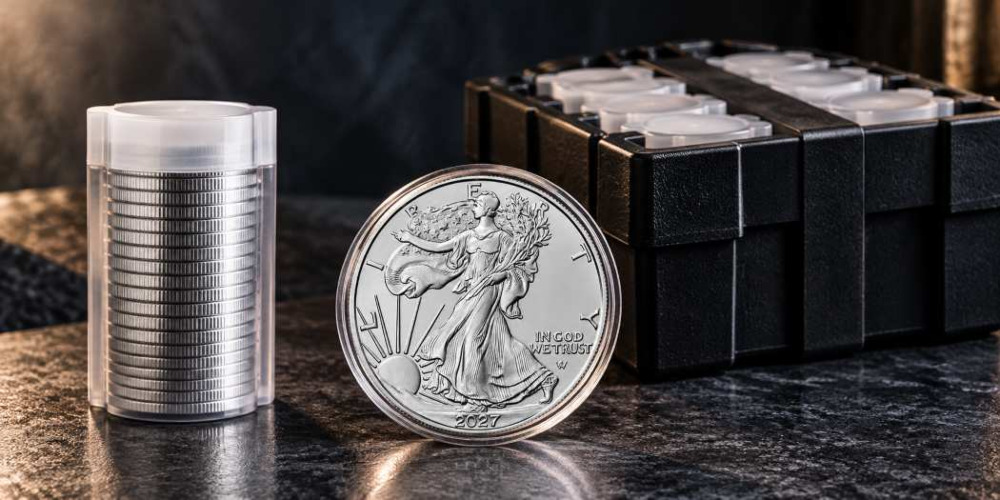
A standard Brilliant Uncirculated American Silver Eagle, for example, is typically purchased as bullion. However, a particularly scarce or exceptionally graded example may appeal to collectors willing to pay substantially more than its silver value. These premiums depend on specialized demand and may not move in line with the metal market.
For first-time buyers primarily interested in owning physical silver, standard bullion coins often provide a more straightforward starting point. Their specifications are widely published, their pricing is easier to compare, and their market value generally remains more closely connected to the underlying metal.
Comparing Silver Content, Purity, and Mint Reputation
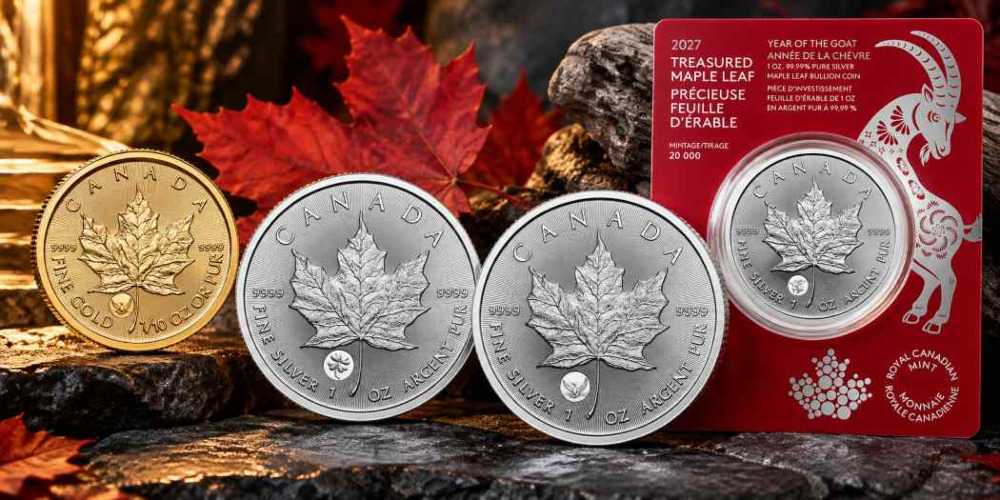
Most popular modern silver bullion coins contain one troy ounce of fine silver, equivalent to approximately 31.1035 grams. However, their purity and physical characteristics are not always identical. American Silver Eagles and British Silver Britannias contain .999 fine silver, while Canadian Silver Maple Leafs and Australian Silver Kangaroos contain .9999 fine silver.
|
Silver coin |
Fine silver content |
Purity |
|
American Silver Eagle |
1 troy oz |
.999 |
|
Canadian Silver Maple Leaf |
1 troy oz |
.9999 |
|
British Silver Britannia |
1 troy oz |
.999 |
|
Australian Silver Kangaroo |
1 troy oz |
.9999 |
Although .9999 represents slightly greater fineness, this distinction does not automatically make a coin more valuable or desirable. Each standard one-ounce example contains one troy ounce of fine silver, making premiums, recognition, and resale considerations potentially more meaningful than the small difference in purity.
Mint reputation also influences buyer preferences. Government-issued bullion coins generally benefit from established production standards, recognizable designs, and official legal-tender status. The United States Mint's American Silver Eagles are particularly familiar to American buyers, while the Royal Canadian Mint's Maple Leaf and The Royal Mint's Britannia are internationally recognized alternatives.
Security features provide another point of comparison. Modern Silver Eagles incorporate a reeded-edge variation, Silver Maple Leafs feature radial lines and micro-engraving, and Silver Britannias include visual authentication elements such as a latent image and surface animation. These features can assist authentication, although none should replace appropriate verification when authenticity is uncertain.
Understanding Silver Coin Premiums and Total Purchase Costs
The silver spot price provides a benchmark for the underlying metal, but finished bullion coins generally sell above that amount. This difference, known as the premium, reflects manufacturing, distribution, dealer expenses, and market demand. Government-issued coins often command higher premiums than privately minted silver rounds, and prices can vary considerably between sovereign mints.
For example, if silver trades at a hypothetical $50 per ounce and a one-ounce coin sells for $56, the premium is $6, or 12% above spot. Another coin containing the same amount of silver might sell for $53 or $60, depending on its manufacturer, availability, and market demand. A higher premium does not necessarily indicate greater silver content or a better long-term purchase.
Buyers should also consider the total transaction cost rather than comparing product prices alone. Payment-method differences, shipping charges, applicable sales taxes, and insurance arrangements can affect the final amount paid. A coin advertised at a lower price may ultimately cost more once these expenses are included.
For customers purchasing silver in New York City, reviewing applicable sales-tax treatment is especially important. Tax obligations can depend on the product's classification, its premium relative to metal value, and the overall transaction. Buyers should confirm the treatment of their specific purchase rather than assuming every silver coin is taxed identically.
Condition, Authenticity, and Resale Considerations
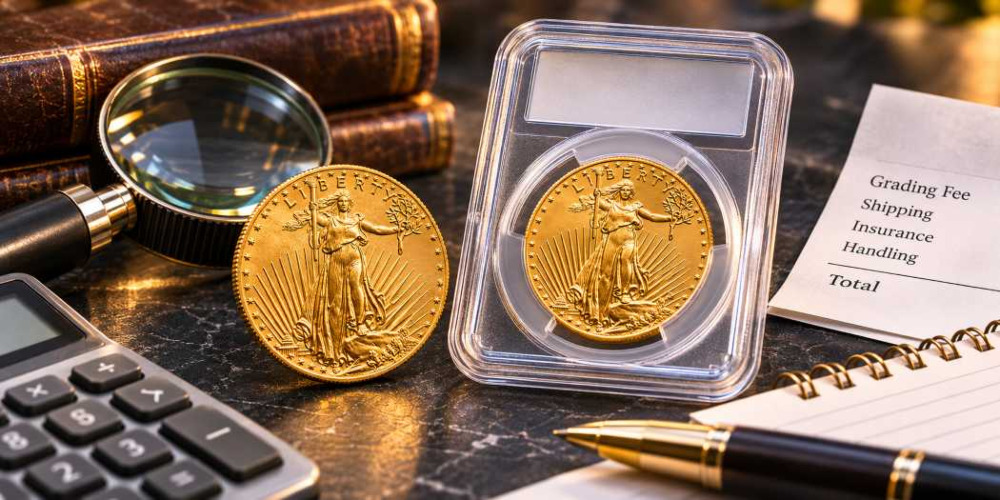
Condition and authenticity deserve attention even when purchasing common bullion coins. Brilliant Uncirculated coins generally retain their original mint appearance, but minor contact marks or manufacturing imperfections may still be present. Buyers should understand the advertised condition, examine available product photographs, and determine whether protective packaging is included.
Recognizable coins from established mints can offer practical advantages when it comes time to sell. Dealers are often familiar with their specifications and authentication features, which may simplify evaluation. However, resale prices depend on current silver prices, dealer inventory needs, product condition, and demand. A coin purchased at a substantial premium will not necessarily recover that premium when sold.
Consider two hypothetical one-ounce silver coins purchased when spot silver is $50:
|
Coin A |
Coin B |
|
|
Purchase price |
$54 |
$59 |
|
Dealer buyback offer |
$49 |
$52 |
|
Purchase-to-resale difference |
$5 |
$7 |
Although Coin B receives a higher hypothetical buyback offer, Coin A has the smaller purchase-to-resale difference. This illustrates why buyers should consider both the initial premium and the potential resale spread rather than assuming a more expensive coin will provide better overall value.
Dealer reliability is equally important. Before purchasing, review the seller's authentication practices, payment requirements, shipping policies, and cancellation terms. Because bullion prices fluctuate continuously, precious metals transactions often operate differently from ordinary retail purchases, and confirmed orders may be subject to specific price-lock and cancellation conditions.
Which Silver Coin Is Right for a Beginner?
There is no single silver coin that offers the best value for every buyer. American Silver Eagles may appeal to those who prioritize familiarity in the U.S. market, while Canadian Silver Maple Leafs attract buyers interested in .9999 purity and established security features. British Silver Britannias offer another widely recognized sovereign option, combining distinctive artwork with modern anti-counterfeiting elements.
The Britannia's security features are particularly noteworthy. As explained by The Royal Mint, the coin incorporates a latent image that changes between a trident and a padlock, alongside micro-text, tincture lines, and surface animation. These details provide additional ways to examine a coin's authenticity while complementing its traditional design.
Buyers primarily interested in acquiring the greatest quantity of silver for a fixed budget may also wish to compare government-issued coins against lower-premium privately minted rounds. While rounds generally lack sovereign legal-tender status, they can offer a more economical way to purchase the same amount of fine silver.
Ultimately, the right choice depends on whether your priorities are metal content, mint recognition, design, premiums, or potential resale convenience. Comparing these factors consistently is more useful than relying on any single feature.
Make Your First Silver Purchase an Informed One
Buying silver coins becomes considerably easier once you understand what influences their prices. Fine silver content establishes the underlying metal value, while mint reputation, security features, premiums, and market demand help explain why otherwise similar products may sell for different amounts.
For first-time buyers, recognizable one-ounce bullion coins provide a practical starting point, but the best purchase is not necessarily the most expensive or the least expensive option. Comparing total costs, understanding dealer policies, and considering potential resale spreads can help you select silver coins that align with your priorities.
FAQs
What is the best silver coin for a beginner?
American Silver Eagles, Canadian Silver Maple Leafs, and British Silver Britannias are popular starting points because of their recognizable designs and standardized silver content. The best choice depends on current premiums, availability, and personal preferences.
Is .9999 silver better than .999 silver?
Both are highly refined forms of silver. While .9999 indicates slightly greater fineness, standard one-ounce bullion coins of either purity contain one troy ounce of fine silver, making other factors important when comparing overall value.
Should beginners buy silver coins or silver rounds?
Government-issued silver coins offer sovereign recognition and official legal-tender status, while privately minted rounds frequently carry lower premiums. Buyers focused on acquiring more silver for their budget may prefer rounds, while those prioritizing recognizable sovereign products may favor coins.
Do silver coins always sell for more than silver spot price?
No. Although retail prices generally include premiums above spot, dealer buyback offers depend on market conditions, product demand, and the dealer's pricing policies. Some coins may be purchased back at or below spot, particularly when demand is weak.