


Gold vs Silver Investment 2026: What’s Driving Prices Right Now
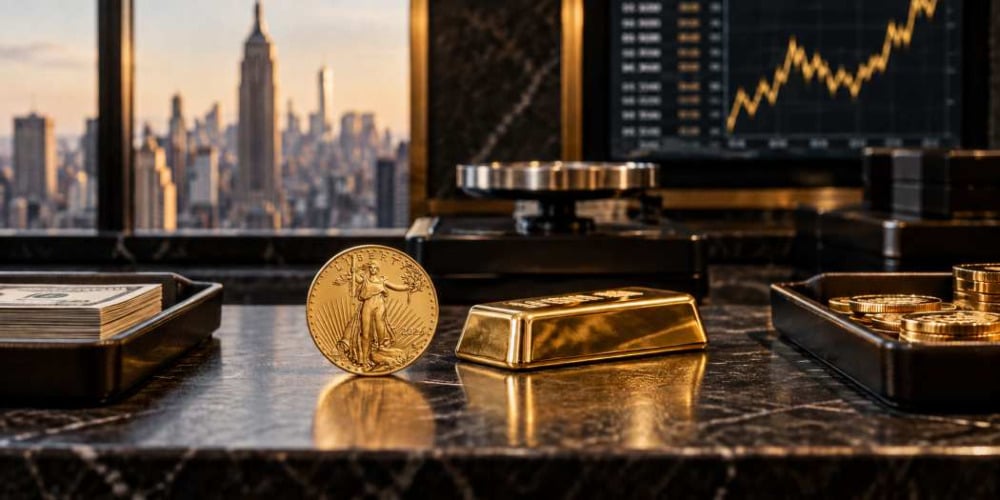
With gold trading near record highs and silver experiencing sharp volatility, the gold vs silver investment 2026 debate has become increasingly relevant for both new and experienced investors. Macro forces—including elevated interest rates, persistent inflation, central bank gold accumulation, and surging industrial demand for silver—are reshaping how these two metals perform relative to each other. As capital flows shift between safe-haven positioning and growth-linked exposure, understanding what is actually driving divergence in the gold spot price and the silver spot price in 2026 is critical to making informed allocation decisions.
Price Behavior in 2026: Stability vs Volatility
Gold and silver are both influenced by macroeconomic conditions, but their price behavior differs significantly.
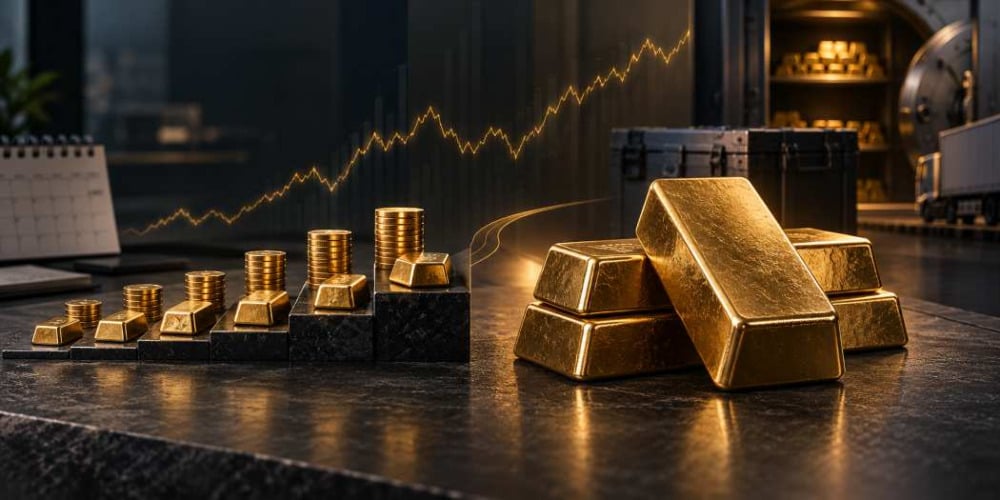
Gold has maintained a more stable upward trajectory, supported by strong central bank demand, geopolitical uncertainty, and its role as a reserve asset. Even during periods of rate pressure, gold has shown resilience, reflecting its position as a long-term store of value.
Silver, by contrast, has been more volatile, experiencing sharper moves in both directions. This is largely due to its dual nature—part precious metal, part industrial commodity. In 2026, silver’s price swings are being amplified by shifting expectations around global growth, energy demand, and manufacturing activity.
This divergence creates a clear dynamic: gold offers consistency, while silver offers higher sensitivity to economic cycles.
Demand Drivers: Monetary vs Industrial Forces
One of the most important differences between gold and silver lies in what drives demand.
Gold demand is primarily monetary and investment-driven:
-
Central bank accumulation continues at elevated levels
-
Institutional demand through ETFs remains strong
-
Investors seek protection against inflation and currency risk
Silver demand, however, is heavily influenced by industrial usage:
-
Solar panel production continues to expand rapidly
-
AI data centers and electronics require high-conductivity materials
-
Electric vehicle infrastructure is increasing consumption
This means silver’s performance is tied not only to macroeconomic conditions but also to real-world industrial growth trends, making it more cyclical than gold.
Supply Constraints and Market Tightness
Supply dynamics also play a major role in the gold vs silver comparison.
Gold supply is relatively stable, with mining output and recycling providing consistent flow. However, central bank buying has effectively tightened available supply in the open market, supporting prices.
Silver, on the other hand, is experiencing a structural supply deficit. For multiple consecutive years, global demand has exceeded supply, particularly due to industrial consumption. Unlike gold, much of silver used in industry is not easily recoverable, further tightening availability.
This imbalance creates the potential for sharp upside moves in silver, especially if investment demand accelerates alongside industrial use.
Interest Rates and the Cost of Holding Metals
Interest rates remain one of the most influential macro factors in 2026.
Gold is highly sensitive to real interest rates. When rates rise, the opportunity cost of holding non-yielding assets increases, which can pressure gold prices. However, in the current environment, inflation-adjusted yields remain relatively contained, allowing gold to maintain strength.
Silver is also affected by rates, but its reaction is less direct. While higher rates can reduce investment demand, industrial demand can offset this effect. This creates a more complex pricing dynamic, where silver may still perform even in tighter monetary conditions if economic activity remains strong.
Liquidity, Accessibility, and Investment Entry Points
From an investment standpoint, accessibility matters.
Gold is often favored by institutional investors due to:
-
High liquidity in global markets
-
Lower volatility
-
Strong recognition as a reserve asset
Silver, however, offers a lower price point per ounce, making it more accessible for retail investors. This allows for easier accumulation and flexibility in position sizing.
Additionally, silver tends to attract speculative flows during bullish phases, as investors seek higher percentage returns compared to gold.
Gold-to-Silver Ratio: A Key Indicator in 2026
The gold-to-silver ratio—how many ounces of silver equal one ounce of gold—remains a widely watched metric.
In 2026, the ratio continues to reflect gold’s relative strength, as gold has outperformed silver during periods of economic uncertainty. Historically, when the ratio is elevated, it can signal that silver is undervalued relative to gold.
However, timing matters. Silver tends to outperform gold during late-stage bull markets, when risk appetite increases and industrial demand strengthens. This makes the ratio a useful tool, but not a standalone decision-maker.
Institutional vs Retail Positioning Trends
Investor behavior is also shaping the current landscape.
Gold continues to dominate institutional allocation strategies, particularly among central banks and large asset managers. Its role as a reserve asset and hedge against systemic risk ensures consistent demand.
Silver, meanwhile, is more heavily influenced by retail and industrial demand. This creates a different market dynamic, where price movements can be more reactive and sentiment-driven.
In 2026, this distinction is particularly important, as institutional flows into gold remain steady, while silver demand fluctuates based on both economic data and retail participation.
Bullion vs Numismatic Considerations
Both gold and silver offer opportunities across bullion and collectible markets.
Gold bullion products—such as bars and sovereign coins—are typically purchased for their metal content and long-term stability. Numismatic gold coins can carry additional premiums, but the primary driver remains intrinsic value.
Silver, however, often has a stronger crossover between bullion and collectible demand. Limited-mintage coins, special editions, and unique designs can command significant premiums, particularly during periods of heightened interest.
This adds another layer to the investment decision, as silver can offer both industrial-driven growth and collectible upside.
How Each Metal Fits Different Investment Strategies
Choosing between gold and silver depends on investor objectives.
Gold is typically favored for:
-
Wealth preservation
-
Portfolio stability
-
Long-term strategic allocation
Silver is often chosen for:
-
Higher growth potential
-
Exposure to industrial expansion
-
Tactical positioning during bullish cycles
In many cases, investors choose to hold both, using gold as a foundation and silver as a higher-beta complement.
2026 Outlook: Positioning for a Changing Metals Cycle
Looking ahead, the gold vs silver dynamic is likely to remain influenced by a combination of macroeconomic and industrial factors.
If inflation persists and central banks continue accumulating gold, gold prices may remain well-supported. At the same time, if global growth stabilizes and industrial demand strengthens, silver could outperform on a percentage basis.
The key variable will be monetary policy direction. A shift toward easing conditions could benefit both metals, but silver may see amplified gains due to its dual demand profile.
Ultimately, the decision is less about choosing one over the other and more about understanding how each metal responds to different phases of the economic cycle.
FAQs
Is gold or silver a better investment in 2026?
It depends on goals—gold offers stability, while silver provides higher growth potential.
Why is silver more volatile than gold?
Silver is influenced by both industrial demand and investment flows.
What drives gold prices in 2026?
Central bank buying, inflation, and interest rates are key drivers.
Why is silver demand increasing?
Industrial use in solar, AI, and electronics is expanding.
What is the gold-silver ratio?
It measures how many ounces of silver equal one ounce of gold.
Does silver outperform gold?
Silver can outperform during strong economic growth phases.
Is gold safer than silver?
Gold is generally considered more stable and less volatile.
Are both metals good for diversification?
Yes, they serve different roles within a portfolio.
How do interest rates affect metals?
Higher rates can pressure gold, while silver reacts to both rates and growth.
Should investors hold both gold and silver?
Many investors use both for balance between stability and growth.
Related reading you may find interesting:
Gold Spot Price Explained: Who Sets It and Why It Moves
How Market Volatility Is Reshaping Precious Metals in 2026
Gold Bars vs Gold Coins: Which Investment Fits Best?